Rectal cancer is a major subtype of colorectal cancer, with approximately 966,000 new cases reported annually in Asia and a clear trend toward younger age at onset. Early symptoms such as hematochezia are often mistaken for hemorrhoids, leading to delayed diagnosis and treatment. Advances in surgery combined with radiotherapy and multidisciplinary treatment strategies have significantly improved sphincter preservation rates and overall patient outcomes.
· Red meat and processed meat consumption and a low-fiber diet
· Obesity and a sedentary lifestyle
· Smoking and heavy alcohol consumption
· Family history and Lynch syndrome, among others
· Inflammatory bowel disease
Most cases develop from adenomas → adenoma–carcinoma sequence, there is a stepwise accumulation of mutations in genes such as APC, KRAS, and TP53. Approximately 15% of cases follow the microsatellite instability pathway, which is associated with mismatch repair deficiency.
Hematochezia is the most common presenting symptom and is often mistaken for hemorrhoids. Changes in bowel habits may occur, including alternating diarrhea and constipation, narrow-caliber stools, and tenesmus. In advanced disease, patients may present with intestinal obstruction, weight loss, and anemia. Digital rectal examination may reveal a low-lying mass.
· Surgery:Radical total mesorectal excision (TME) remains the gold standard surgical approach. In selected cases, transanal total mesorectal excision (taTME) can be performed to achieve minimally invasive surgery with sphincter preservation. Early-stage rectal cancer may be managed with transanal local excision in appropriately selected patients.
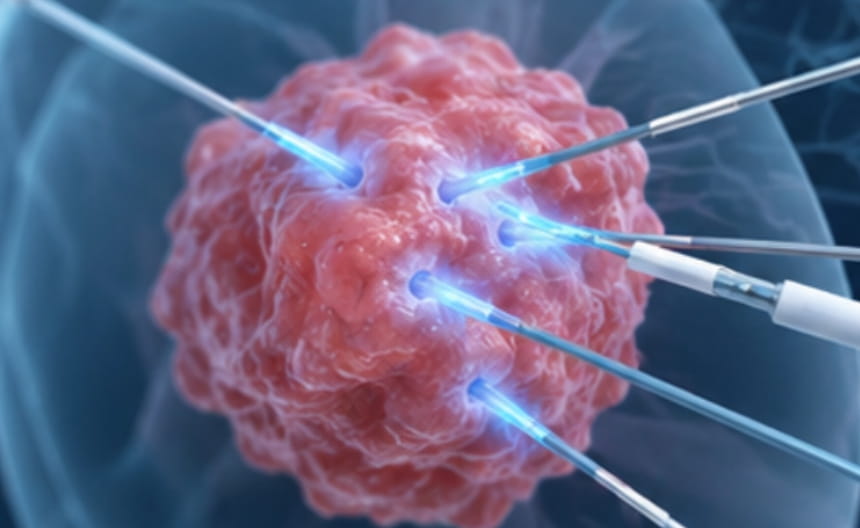
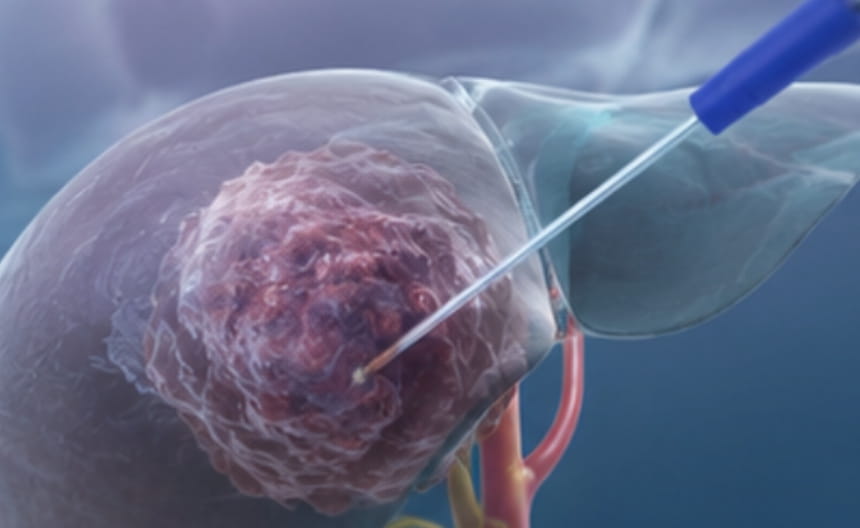
· Minimally invasive therapy:For early-stage rectal cancer, endoscopic mucosal resection (EMR) or endoscopic submucosal dissection (ESD) may be performed. In cases of unresectable obstruction, endoscopic stent placement can be used for palliation. For liver metastases, local ablative therapies such as radiofrequency ablation (RFA) and microwave ablation (MWA) may be applied.
· Chemoradiotherapy: For locally advanced disease, preoperative concurrent chemoradiotherapy is administered. Postoperative adjuvant chemotherapy is indicated for patients with high-risk features and stage III disease.
· Targeted and immunotherapy: Testing for RAS and BRAF gene mutations guides the use of anti-EGFR-targeted therapy. Patients with microsatellite instability-high (MSI-H) tumors may benefit from immune checkpoint inhibitor therapy.
· Other treatments:Postoperative carcinoembryonic antigen (CEA) monitoring and regular colonoscopic follow-up are recommended. Genetic counseling is advised for patients with familial disease or suspected hereditary syndromes.
Colonoscopy with biopsy confirms the diagnosis, while endorectal ultrasound and magnetic resonance imaging (MRI) are used for accurate local staging. Fecal immunochemical testing (FIT) is commonly used for primary screening. Molecular testing for RAS, BRAF, and microsatellite instability (MSI) status guides the selection of targeted therapy and immunotherapy.