Lung cancer remains the leading cause of cancer incidence and mortality worldwide. It is mainly classified into non-small cell lung cancer (accounting for approximately 85% of cases) and small cell lung cancer. Smoking is the most important risk factor for lung cancer; however, the incidence of lung adenocarcinoma among non-smokers has also been increasing, particularly in East Asian women, and it is often associated with driver gene mutations such as EGFR mutations. Low-dose spiral CT screening can detect early-stage lung cancer and has been shown to reduce mortality by approximately 20%. In the era of precision medicine, stratified treatment based on driver genes and immunological biomarkers has made chronic disease–like management of advanced lung cancer increasingly achievable.
· Active and passive smoking (approximately 85% of lung cancers are attributable to tobacco exposure)
· Indoor radon exposure, particularly in basement residences
· Occupational exposure to asbestos, arsenic, chromium, and polycyclic aromatic hydrocarbons
· Outdoor air pollution (especially PM2.5) and cooking oil fumes
· A history of chronic obstructive pulmonary disease or pulmonary fibrosis
· Family history of lung cancer and prior chest radiotherapy history
Tobacco smoke has over 60 known cancer-causing substances that cause DNA damage in bronchial epithelial cells and often lead to changes in important genes like TP53 and KRAS. Radon decay releases alpha particles that directly damage DNA. In non-smokers, lung adenocarcinoma is often driven by mutations or rearrangements in driver genes such as EGFR, ALK, and ROS1, resulting in continuous cellular proliferation. Small cell lung cancer is almost exclusively associated with heavy smoking and is characterized by biallelic inactivation of RB1 and TP53.
Early-stage lung cancer is often asymptomatic and is frequently detected incidentally during routine imaging examinations. Common symptoms include persistent irritating cough or a change in the pattern of a pre-existing chronic cough, hemoptysis or blood-streaked sputum, chest pain, chest tightness, dyspnea, and hoarseness. Tumor-induced airway obstruction may lead to obstructive pneumonia accompanied by fever. Some patients may develop paraneoplastic syndromes. For example, squamous cell carcinoma may secrete parathyroid hormone–related protein (PTHrP), resulting in hypercalcemia, while small cell lung cancer may be associated with Cushing syndrome or hypertrophic osteoarthropathy. Metastases to the bone, brain, or liver can produce corresponding clinical manifestations.
· Surgery: Early-stage lung cancer is often asymptomatic and is frequently detected incidentally during routine imaging examinations. Common symptoms include persistent irritating cough or a change in the pattern of a pre-existing chronic cough, hemoptysis or blood-streaked sputum, chest pain, chest tightness, dyspnea, and hoarseness. Tumor-induced airway obstruction may lead to obstructive pneumonia accompanied by fever. Some patients may develop paraneoplastic syndromes. For example, squamous cell carcinoma may secrete parathyroid hormone–related protein (PTHrP), resulting in hypercalcemia, while small cell lung cancer may be associated with Cushing syndrome or hypertrophic osteoarthropathy. Metastases to the bone, brain, or liver can produce corresponding clinical manifestations.
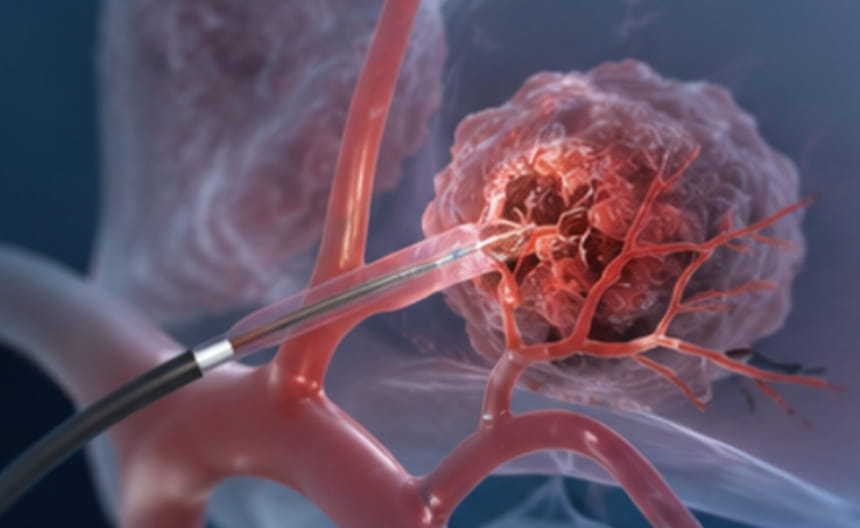
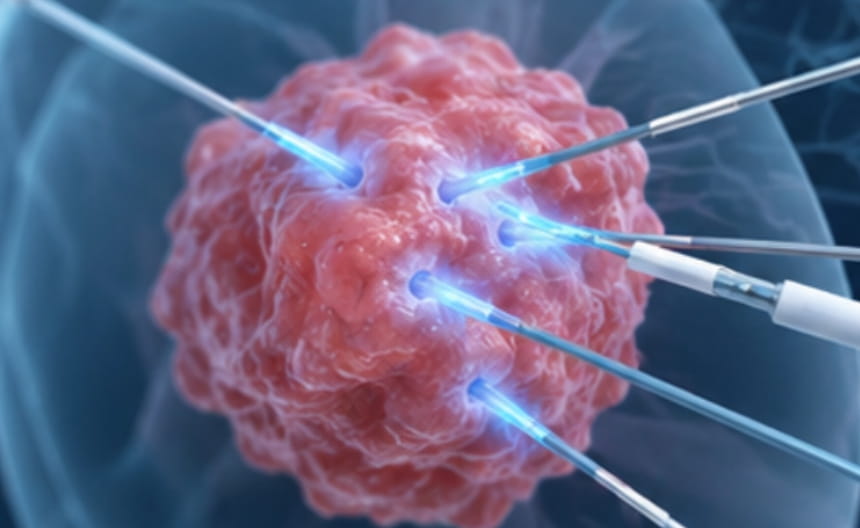
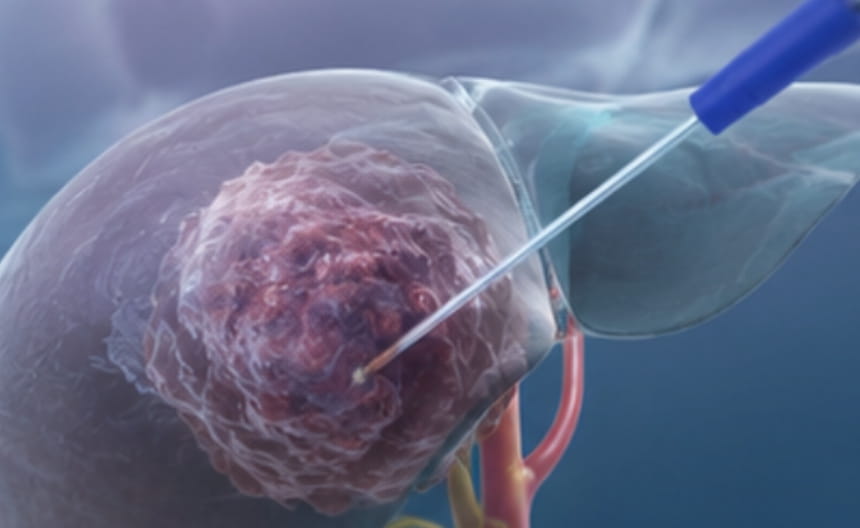
· Minimally invasive therapy: For patients with early-stage lung cancer who are unable to tolerate surgery, stereotactic body radiotherapy (SBRT) can achieve local control rates comparable to surgery and serves as a noninvasive curative option. Image-guided radiofrequency ablation, microwave ablation, or cryoablation can directly destroy small pulmonary lesions through percutaneous puncture. Bronchoscopic microwave ablation, photodynamic therapy, and airway stent placement can effectively relieve airway obstruction caused by central airway tumors.
· Chemoradiotherapy: Concurrent chemoradiotherapy followed by consolidation immunotherapy has become the standard treatment strategy for locally advanced non-small cell lung cancer. Treatment of Small Cell Lung cancer is primarily based on chemotherapy, with thoracic radiotherapy and prophylactic cranial irradiation added for patients with limited-stage disease. Chemotherapy is also used in both neoadjuvant and adjuvant settings.
· Targeted and immunotherapy: Oral targeted agents directed against driver gene alterations such as EGFR, ALK, ROS1, and BRAF can significantly prolong progression-free survival. For patients without actionable driver mutations, immune checkpoint inhibitors combined with chemotherapy, or maintenance immunotherapy alone, are commonly used treatment strategies.
· Other treatments: Palliative radiotherapy for bone and brain metastases can relieve pain and reduce compressive symptoms. Standardized pain management, nutritional support, and pulmonary rehabilitation can improve the quality of life of patients with advanced lung cancer.
Low-dose spiral CT is the recommended screening method for high-risk populations. Tissue specimens can be obtained through bronchoscopy, percutaneous lung biopsy, or cytological examination of pleural effusion. Testing for driver gene alterations, including EGFR, ALK, ROS1, BRAF, MET, RET, and KRAS, as well as PD-L1 expression, is essential to guide targeted therapy and immunotherapy. PET-CT is used for accurate staging, while cranial MRI is performed to evaluate brain metastases in patients with lung cancer.