Prostate cancer is the most common malignant tumor of the male genitourinary system, with a rapidly increasing incidence in Asia. It is often asymptomatic in its early stages. Prostate-specific antigen (PSA) screening can facilitate early detection, and the 5-year survival rate for early-stage disease approaches 100%.
· Advancing age, with risk increasing significantly after the age of 50
· Family history, with the risk approximately doubling in individuals with an affected first-degree relative
· High-fat diet and obesity
· Smoking
· Chronically elevated androgen levels
Prostate cancer is highly dependent on androgen signaling. Genetic factors play a significant role, with germline mutations in genes such as BRCA1/2 and HOXB13 increasing disease risk. Chronic inflammation and a high-fat diet may promote the accumulation of genetic mutations through alterations in the tumor microenvironment.
Prostate cancer is usually asymptomatic in its early stages. As the tumor enlarges, patients may develop dysuria, a weakened urinary stream, urinary frequency, and increased nocturia. Bone metastases may present with lower back or pelvic pain, and pathological fractures may be the initial manifestation at diagnosis. Most cases are identified through prostate-specific antigen (PSA) screening.
· Surgery: Robot-assisted or laparoscopic radical prostatectomy is the primary curative treatment for localized prostate cancer, and nerve-sparing techniques can help preserve erectile function and urinary continence.
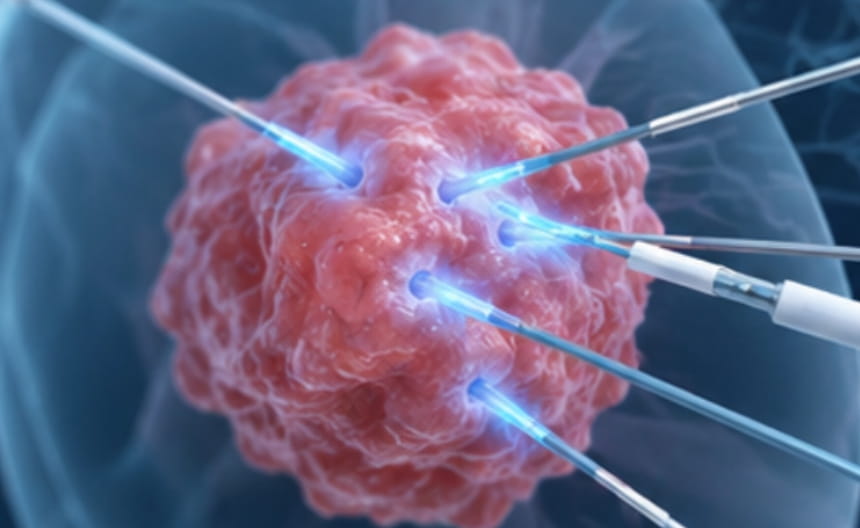
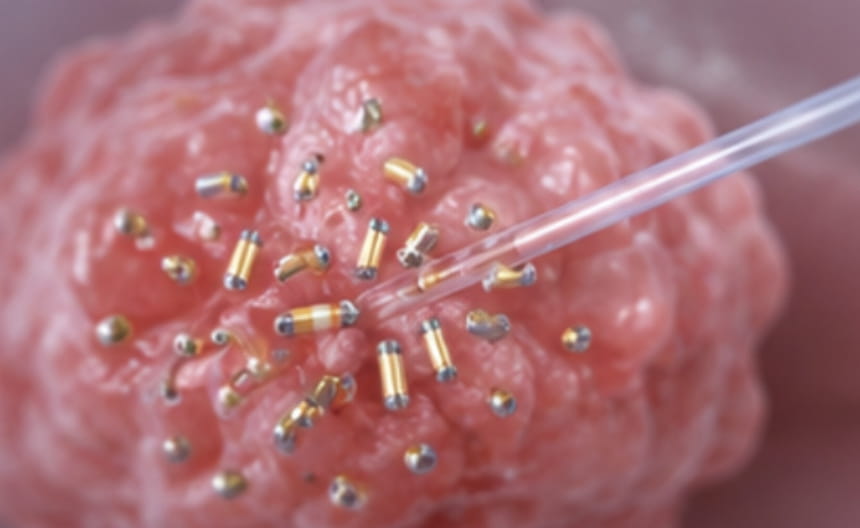
· Minimally invasive therapy:For patients with low- to intermediate-risk disease, iodine-125 seed implantation can be performed to deliver continuous low-dose-rate radiotherapy. For localized disease, focal therapies such as cryoablation or irreversible electroporation may be used to precisely ablate tumor lesions.
· Chemoradiotherapy: External beam radiotherapy is indicated for patients who are not suitable surgical candidates or as adjuvant treatment. Chemotherapy is primarily used in patients with metastatic castration-resistant prostate cancer.
· Targeted and immunotherapy: PARP inhibitors are used in patients with BRCA mutations, while novel hormonal agents suppress the androgen signaling pathway.
· Other treatments: Active surveillance is recommended for low-risk patients, while bone-protective therapy is indicated for patients with bone metastases.
Serum prostate-specific antigen (PSA) screening serves as the foundation for early detection, while multiparametric MRI is used to localize lesions. Transrectal ultrasound-guided biopsy confirms the diagnosis, and the Gleason score is used for risk stratification. Bone scintigraphy or PSMA-PET imaging is performed to evaluate bone metastases.