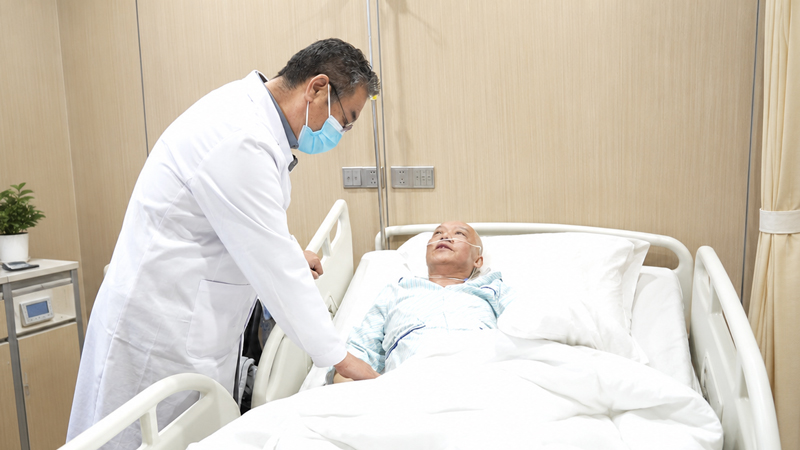

Xiao Yueyong | Oncology Expert in Precision Minimally Invasive Cancer Treatment in China
- Doctors
- Xiao Yueyong

(1) According to the 2025 Fudan University Hospital Ranking, the People's Liberation Army General Hospital was awarded Grade A++++, the highest distinction in the ranking system. In the Annual China Hospital Comprehensive Ranking released in November 2023, the hospital ranked third nationwide, marking its 14th consecutive year among China's top three comprehensive hospitals.
(2)At the 2024 Annual Scientific Meeting of the Asian Society of Cryosurgery (ASC), Professor Xiao Yueyong was conferred the title of “Asian Ablation Master” in recognition of his exceptional contributions and groundbreaking innovations in tumor ablation therapy.
(3)At the 9th China Academic Conference on Minimally Invasive Cancer Therapy held in 2013, Professor Xiao Yueyong received both the Special Contribution Award and the Lifetime Achievement Award in recognition of his outstanding contributions to technological innovation, theoretical research, and clinical practice, as well as his lifelong achievements as a pioneer and leading figure in the field.
(4)The “National Famous Doctors-Excellent Contribution” award ranks among the most prestigious and authoritative honors in China’s medical community, conferred in recognition of extraordinary professional achievement and enduring impact. Professor Xiao Yueyong was awarded this distinction for his exceptional contributions spanning more than four decades to the fields of interventional medicine and tumor ablation—a mark of the highest professional recognition within the discipline.
(5)The General Program stands as the core and most extensively funded category under the National Natural Science Foundation of China (NSFC). It establishes a rigorous standard for applicants, evaluating not only their scientific potential but also, more importantly, whether they have established a comprehensive and cohesive research framework. Project approval entails multiple rounds of strict peer review, rendering the process fiercely competitive with a notably high threshold for funding. Leading such a program signals that an expert commands a solid academic foundation and genuine capacity for original research within their discipline. Their scientific caliber and research agenda have earned the endorsement of China’s most authoritative peers. They are widely regarded as core research pillars wielding significant academic influence within their specialty and, on a national level, are recognized as trusted forces driving the advancement of fundamental research in China.
(6)The Major Supporting Projects of the Ministry of Science and Technology (MOST) are national-level key scientific and technological tasks oriented toward China's major strategic needs, focusing on tackling core and critical industrial technologies. These projects are subject to stringent evaluation criteria and backed by high-intensity resource investment. The experts leading such projects shoulder the mission of a "national team"—breaking through critical core technologies, serving major national strategic demands, and addressing issues vital to the national economy and people's livelihood. They are capable of mobilizing top-tier scientific research resources across the country for cross-sector collaborative innovation, and their research directions and outcomes directly bear on national industrial upgrading and scientific and technological security. These experts are therefore not merely academic authorities but strategic scientists—nationally certified as capable of spearheading major scientific and technological breakthroughs and driving economic and social development. They hold a pivotal position in China's scientific and technological innovation system.
Guard the flames of life with the ablation technologies, and lead the academic frontier with wisdom
——Having a dialogue with Professor Xiao Yueyong, the Director of the Interventional Medicine Center of the Department of Radiological Diagnosis in the No. 1 Medical Center in Chinese PLA General Hospital, and the Chairperson of the 1st World Ablative Therapies Association (WATA).
Over forty years of down-to-earth experiences in imaging and interventional medicine, and reignites the light of life of the cancer patients with individualised minimally-invasive ablation therapies.
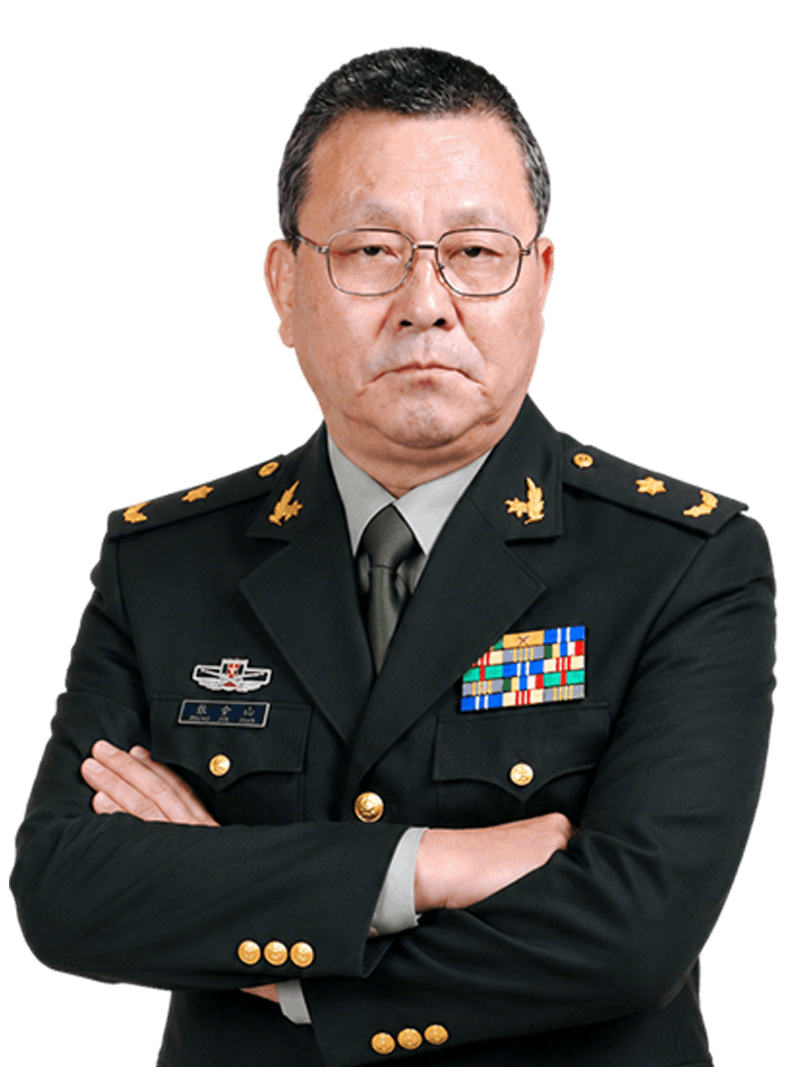
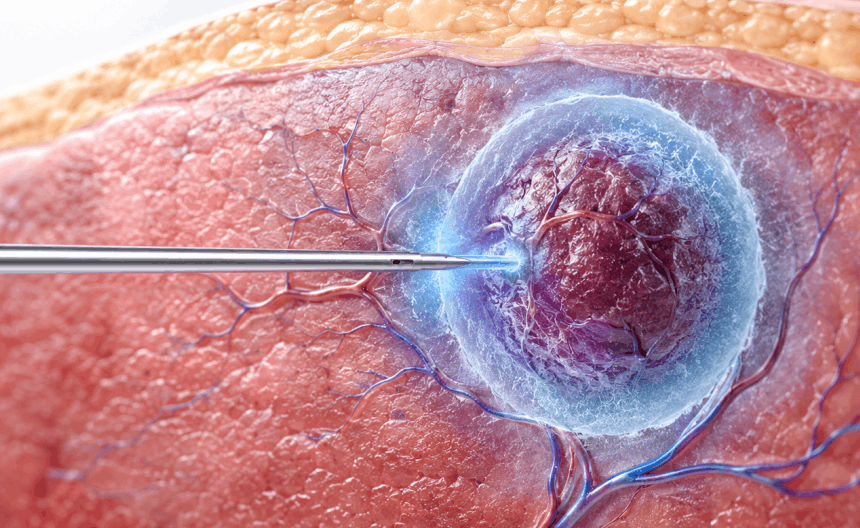
In the medical frontier in the cancer minimally-invasive ablation therapies, there is a doctor, who firmly grabs the cryoablation needle and nanoknife, directly aims at the core of tumours, under the precise guidance of CT and MRI. While upholding the philosophy of “excluding surgeries, minimizing losses, and optimal efficacy”, Dr. Xiao has spread the seeds of hope in the hearts of many patients who were given “death sentences”. The doctor we are talking about is Professor Xiao Yueyong, the Chief Physician, Professor, and Doctoral Supervisor at the Department of Radiological Diagnosis in the No. 1 Medical Center in Chinese PLA General Hospital, the Chairperson of the 1st World Ablative Therapies Association (WATA), and the Asian Ablation Master.
More than four decades of profound explorations
Professor Xiao Yueyong has ploughed deeply in the diagnosis through imaging and interventional therapies for approximately four decades, and he is one of the founders and leadrunners in domestic tumours ablation field. During 2006-2007, Professor XIAO headed for the Brigham and Women’s Hospital (BWH) under the Harvard Medical School in the United States on official funding as a Senior Visiting Scholar, who specialised in interventional therapies under the guidance of CT and MRI. After returning China, he became rooted in the clinical first line for long term, designing and improving multiple methods of minimally-invasive interventional surgeries under the guidance of CT/MRI. He took the lead to put forth frontier philosophies including “using imaging techniques to guide the minimally-invasive individualised treatment of tumours” and “cryoablation therapy methods and strategies for tumours with suitable forms”, laying a solid foundation for the development of Chinese interventional minimally-invasive treatment.
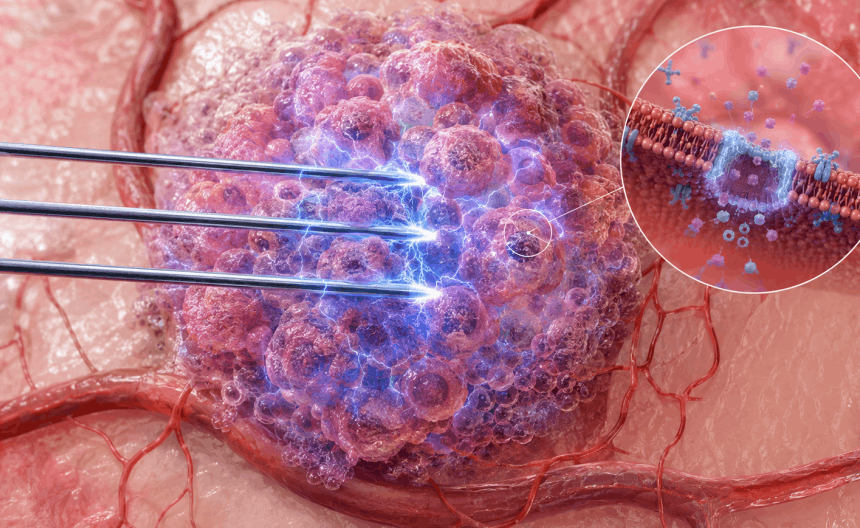
In the field of minimally-invasive ablation, Professor Xiao Yueyong is proficient in a holistic series of cutting-edge technologies including chemical ablation, radiofrequency ablation (RFA), microwave ablation (MWA), cryoablation, and nanoknife ablation (irreversible electroporation ablation). Further, Professor XIAO has finished over 100,000 minimally-invasive interventional surgeries under the guidance of CT and MRI in total. Under Professor XIAO’s leadership, his team has not only organised discussion sessions with experts participating, but also formulated the first batch of “tumour cryoablation and nanoknife ablation” related technologies in China. Furthermore, Professor XIAO introduced in the new technology of nanoknife ablation for tumours, and carried out in-depth researches in the strengths, limitations, and clinical application of this technology, making major contributions to the clinical application of domestically produced nanoknife devices.
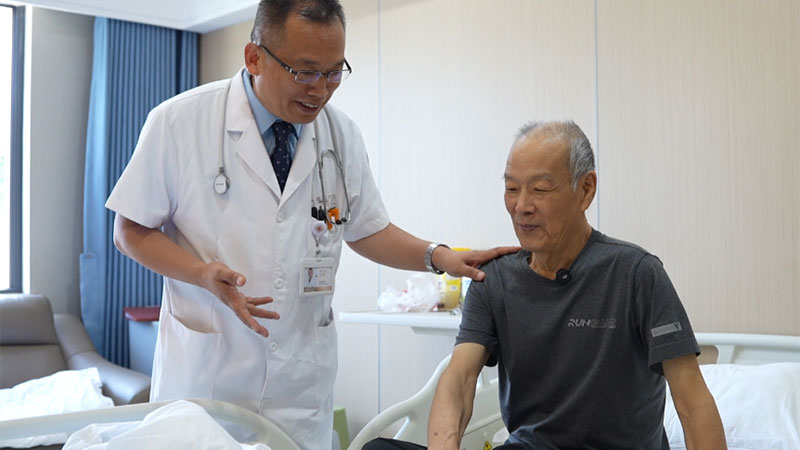
Professor XIAO has consistently stressed the details in and quality of surgeries, upholding the theory of “achieving the utmost efficacy with the minimal trauma”, deeply ploughing in the technology of guiding ablation therapies with imaging devices. Aiming at different tumours and lesions in special anatomical sites, he promoted individualised ablation treatment solutions, and his surgical table has become the last safe haven for the many patients with rare, difficult, and severe symptoms, enabling more cancer patients in the late stage to receive effective treatment and high-quality survival.
Ushering the Chinese Ablation Technologies to the World
From the Director Member of the Special Committee in Tumour Minimally-Invasive Treatment of the China Anti-Cancer Association, to the Chairperson of the 1st World Ablative Therapies Association (WATA), Professor Xiao Yueyong has been constantly devoted to promoting the normalisation and internationalization of ablation therapies. He has taken the lead to formulate more than ten consensus and guidelines on Tumour Minimally-Invasive Ablation Therapies, covering Experts’ Consensus on Cryoablation for Pulmonary Nodules (Version 2022), Experts’ Consensus on Cryoablation Treatment for Bones and Soft Tissues Tumours Guided by Imaging Technology (Version 2018), and Experts’ Consensus on Thermal Ablation Therapy for Benign Thyroid Nodules (Version 2025), offering significant technical references for the Chinese and even the worldwide field of ablation therapies.
Professor Xiao Yueyong has insisted on erudition and benevolence in from a normal clinic room of a Class A hospital to an international academic forum, in guiding diagnosis through refined imaging technology to making bold innovations in minimally-invasive ablation therapies. Professor XIAO has dispelled the haze for innumerable broken families, leading the Chinese interventional minimally-invasive ablation therapies to a wider global stage.
Being a doctor for four decades, Professor Xiao Yueyong has undertaken four projects of the National Natural Science Foundation of China and one major underpinning subject of Ministry of Science and Technology of the People’s Republic of China. Professor XIAO has authored five books and co-authored six books, and released a variety of theses for more than 200, amongst which he has released more than 110 theses in the name of the First Author and Corresponding Author, and released more than 40 SCI papers. He is the Author of the magazine Chinese Journal of Interventional Imaging and Therapy, and the Standing Editorial Board Member of the above magazine, the Corresponding Editorial Board Member of the magazine Chinese Journal of Radiology, and the Editorial Board Member of the magazine Chinese Journal of CT and MRI. Each title and each honour of Professor XIAO in the academic territory is a solemn vote for his own great expectations of the tumour ablation therapies featuring “precision, minimally-invasive, and integration”.
Selected Publications by Professor Xiao Yueyong
According to statistics, Professor Xiao Yueyong has released more than 200 theses in total, including more than 110 theses on the Chinese and foregin high-level journals as the First Author or Corresponding Author (including more than 40 SCI papers). His research focuses widely cover cutting-edge fields including tumour ablation therapies technologies, the clinical application of nanoknife ablation technology, minimally-invasive interventional surgical methodology, and nanomedicine combined therapies. Meanwhile, he has assumed the Author of a number of books including Argon-Helium Knife Tumour Ablation Therapy, Spinal Interventional Therapy and CT-Guided Interventional Therapy, etc.
The Academic Papers with Professor Xiao Yueyong as the First Author
1. Xiao Yueyong, and Zhang Jinshan. Experiments and Clinical Studies of CT-guided Percutaneous Tumour Ablation Therapies. Doctoral disseration, China PLA General Hospital Postgrad Medical College.
This thesis is a major achievement of Professor XIAO during his doctoral research period. This thesis has systematically explored the operation regulations, precision control, complications prevention, and long-term efficacy in implementing a variety of percutaneous tumour ablation therapies under the guidance of CT (including chemical ablation, radiofrequency ablation, etc.). This research has, through detailed experimental data and a solid accumulation of clinical cases, solved the critical conundrums such as dissecting complicated body parts and planning tumour puncture paths and demarcation for the ablation boundaries. Thus, this thesis has provided extremely valuable theories and operational references for the promotion and popularization of the non-vascular interventional technique under the guidance of imaging devices in China.
2. Xiao Yueyong, and Zhang Jinshan. Status Quo and Prospect for Biodegradable Stents.
This thesis has systematically summarised the development history and application prospect of biodegradable stents in the vascular interventional therapy, discussing the mechanism and prevention and treatment strategies of vascular restenosis after implanting metal in-stents, and implementing an in-depth analysis of the materials, production techniques, and the status quo of the clinical application of the degradable stents.
3. Xiao Yueyong, Zhang Jinshan, Cui Fuzhai, and Meng Bo. Experimental Study of Biodegradable Paclitaxel Stents in Preventing Vascular Restenosis. Chinese Journal of Radiology, 2004.
This thesis has, through studying animal experiments, evaluated the efficacy and safety of using biodegradable paclitaxel stents in preventing vascular restenosis, providing experimental references for the research and development and clinical application of biodegradable stents with medicinal coating.
4. Xiao Yueyong, Zhang Jinshan, Cui Fuzhai, and Meng Bo. Novel Biodegradable Polymer Stents. China Medical Devices Information, 2004.
This thesis has introduced the material selection, production techniques, and preliminary performance evaluation of novel biodegradable polymer stents, providing references for subsequent improvement and optimization of biodegradable stents.
5. Xiao Yueyong. Striving to Enhance the Efficacy of Individualised Tumour Interventional Therapies under the Guidance of Imaging Techniques. Journal of Interventional Radiology, 2016, (05):371-373.
This thesis is a review article, which systematically reviews the principles and strategies of the individualised tumour interventional therapies under the guidance of imaging techniques. The author notes that the various interventional technologies means under the guidance of imaging techniques all have their own respective strengths and weaknesses, and should be selected and applied rationally, to give full play to their largest strength. The principles that the individualised tumour interventional therapies comply should be safety, simplicity and convenience, efficiency, and economy, avoiding using a single technology to treat all kinds of tumours. It is recommended to select the combined therapies of the most suitable one or two therapies according to the type and location of a tumour and its relation to neighboring important organs, to achieve the best effect.
6. Xiao Yueyong, and Wei Yingtian. Safely and Effectively Implementing Percutaneous Puncture of Small Pulmonary Nodules Biopsy and Ablation Therapies. Chinese Journal of Interventional Imaging and Therapy, 2021, 18(1):2-3.
This thesis, as an important review of this journal, has crucially discussed the safety and effectiveness of the percutaneous puncture biopsy and ablation therapies of small pulmonary nodules. Professor XIAO has, from clinical practices, systematically looked at the prevention of complications in puncture biopsy, bleeding control, and the normalised operation procedures of ablation therapies, providing important theoretical guidance for the normalisation and homogenisation of the minimally-invasive treatment of small pulmonary nodules. This thesis has received the support from the Project (81771941) of National Natural Science Foundation.
7. Xiao Yueyong, Meng Xiaodong, Li Jiliang, and Chen Chun. Using CT-guided Ozone Ablation Therapy to Treat Lumbar Disc Herniation. Chinese Journal of Interventional Imaging and Therapy, 2005.
This research discusses the methods and efficacy of using CT-guided ozone ablation therapy to treat lumbar disc herniation, providing early-stage data support to the clinical promotion of this technology.
8. Xiao Yueyong, Ying Yifeng, Wang Yuting, Li Jiakai, Tian Jinlin, Yang Bo, Meng Xiaodong, and Chen Chun. Using CT-guided Ozone Ablation Therapy to Treat Cervical Disc Herniation. Chinese Journal of Radiology, 2007.
This thesis has discussed the efficacy of using CT-guided ozone ablation therapy to treat cervical disc herniation. This research has incorporated 86 patients (37 cases of spinal cord type, 30 cases of nerve root type, and 19 cases of sympathetic type), injecting ozone through puncturing the front oblique path of the neck under the guidance of CT. In the follow-up sessions 3 months after the treatment, it shows that 78% of the patients reach the effective indicators, 16% of the patients have efficacy, and 6% of the patients have no efficacy. The research concludes that this technology is safe and convenient, which can be used as a minimally-invasive approach for treating the cervical disc herniation in the early and middle stage.
9. Xiao Yueyong, Sun Gang, Sun Zhenfeng, and Chen Jing. Commenting on the Quantitative Indicators of the Efficacy of Intervertebral Disc Herniation--Disc Herniation Index (DHI). Chinese Journal of Radiology, 1995.
This thesis has raised the quantitative indicators system for commenting on the efficacy of intervertebral disc herniation, providing objective standards for making a clinical evaluation of the treatment efficacy of the intervertebral disc herniation.
10.Xiao Yueyong. The Application and Prospect of Non-Vascular Interventional Therapies. Chinese Journal of Interventional Imaging and Therapy, 2020, (01).
This thesis systematically reviews the application status quo and the future development pathway of the non-vascular interventional technology, covering the technological system from puncture biopsy to various ablation therapies, providing a forward-looking perspective for the future development of this field.
11. Xiao Yueyong, and Zhang Xin. The Application of NanoKnife Ablation Therapy in Liver Cancer. Electronic Journal of Liver Tumour, 2015, (02).
This thesis systematically introduces the application of NanoKnife (irreversible electroporation) ablation therapy in the treatment of liver tumour. The thesis analyses the special strengths of this technology over traditional thermal ablation therapy in the treatment of tumours in special anatomical sites. It has laid a foundation for the clinical promotion of NanoKnife ablation therapy.
12. Xiao Yueyong. Ushering in the New Venture for Interventional Medicine Hands in Hands. Chinese Journal of Interventional Imaging and Therapy, 2025, 22(1):1.
This article is an essay celebrating the new year, giving expectations and blessings to the new venture of the magazine Chinese Journal of Interventional Imaging and Therapy.
13. Xiao Yueyong, and Zhang Xiao. The Individualised Choice-making and Analysis of Efficacy in Tumour Minimally-Invasive Treatment Therapies. Collected papers of the 2013 Tumour Ablation Therapies Workshop, 2013.
This workshop paper systematically discusses the individualised choice-making strategy for the chemical ablation, physical ablation, and radioactive seeds implantation in the comprehensive minimally-invasive treatment of tumours, emphasising on selecting the most suitable treatment solutions according to the specific conditions of patients, thus maximising the benefits of patients.
14. Using CT-guided Ozone Discectomy to Treat Cervical Disc Herniation and Lumbar Disc Herniation. The collected papers of the 1st International Congress of Medical Imaging and Interventional Medicine, 2025.
This thesis discusses the application of CT-guided percutaneous ozone discectomy in the treatment of cervical disc herniation and lumbar disc herniation, preliminarily verifying the safety and effectiveness of this minimally-invasive technology.
15. Xiao Yueyong. Scientific Knowledge Popularization of Tumour Prevention and Treatment--Minimally-Invasive Treatment. 2025.
This thesis is a systematic scientific knowledge popularization article, covering the application of minimally-invasive treatment therapies including puncture biopsy, radiofrequency ablation, microwave ablation, cryoablation, nanoknife ablation, and radioactive seeds implantation in tumour individualisation and comprehensive diagnosis and treatmetn.
16. Zhang Jinshan, and Xiao Yueyong. The Minimally-Invasive Treatment of Intervertebral Disc Herniation. Chinese Journal of Interventional Imaging and Therapy, 2005.
This thesis systematically introduces the progresses on the technological methods and clinical application of the minimally-invasive treatment of intervertebral disc herniation.
17. Zhang Jinshan, and Xiao Yueyong. Actively and Properly Implementing Tumour NanoKnife Ablation New Therapies. Chinese Journal of Interventional Imaging and Therapy, 2015, 12:257-258.
This thesis comments on the tumour nanoknife ablation new therapy, calling for paying attention to safety while actively promoting the application of this new therapy, providing references for the normalised implementation of the nanoknife therapy in China.
Academic Papers with Professor Xiao Yueyong as the Corresponding Author
1. DNA Damage Inducer Mitoxantrone Amplifies Synergistic Mild-Photothermal Chemotherapy for TNBC via Decreasing Heat Shock Protein 70 Expression. Advanced Science, 2023.
Professor Xiao Yueyong has assumed the Joint Corresponding Author for this thesis. This research has, with Researcher LIANG Xingjie’s team in National Center for Nanoscience and Technology, innovatively researched and developed a mitoxantrone nanomicelle system. The research has revealed for the first time that in the process of photothermal therapy, MTO can effectively inhibit the over expression of heat shock Protein 70, and largely increase the damages of the DNA of tumour cells through mild-photothermal chemotherapy. This nanomicelle has demonstrated as high as a 54.6% of the photothermal conversion efficiency, realising a high-efficacy photothermal chemotherapy for Triple-Negative Breast Cancer (TNBC) with high metastasis rate and high mortality rate.
2. Multimode Co-clustering CT | MR | US-guided Remote Control Robotic Real-time Puncture: A Pilot Study. Heliyon, 2024, 10(7).
Professor Xiao Yueyong participated in writing this thesis as a Corresponding Author. This prospective study is purposed to evaluate the feasibility, safety, and precision of implementing real-time puncture surgery by remote control robotic under the guidance of low-dose CT fluoroscope. The study adopts Taguchi method, setting different control groups to carry out condition-controlled puncture surgeries. The result shows that the innovative remote control robotic real-time puncture system is extremely precise and reliable, laying a solid foundation for implementing high-precision interventional surgery in the complex anotomical sites or even remote scene in the future.
3. Transcatheter Arterial Chemoembolization Plus Apatinib for Unresectable Hepatocellular Carcinoma: A Multicenter, Randomized, Open-label, Phase III Trial. BMC Medicine, 2025, 23(1): 313.
Professor Xiao Yueyong participates in this multicenter, Phase III trial, randomised, controlled clinical trial, as a Co-Author. This research systematically evaluates the efficacy and safety of the treatment of transcatheter arterial chemoembolization (TACE) combined with Apatinib for unresectable hepatocellular carcinoma. The research result testifies that the combined therapies can evidently improve the survival prognosis of late-stage liver cancer patients. This paper has been released in the top-class comprehensive medicine journal, providing high-level evidence-based medical evidence for liver cancer interventional therapy combined with targeted therapy.
4. Xiao Yueyong et al. Expert Consensus and Guidelines for Tumor Microwound Ablation Therapy.(Serial Guidelines and Consensus)
Professor Xiao Yueyong is the Corresponding Author and the leading expert in this these papers. Based on the solid clinical translational researches of his team, Professor Xiao Yueyong has taken the lead to formulate and release more than 10 consensus and guidelines on “tumour microwound ablation therapy”. These authoritative guideline documents cover the critical fields including the nanoknife ablation for tumours in the special parts of livers, pulmonary nodules cryoablation, and interventional therapy for lymph node metastatic lesions. These documents have set rigorous quality control framework and technological standards for the normalised implementation of microwound ablation surgeries in the medical institutions at various levels in China, leading the progress of the normalised tumour ablation treatment in China.
5. Xiao Yueyong, et al. CT-guided Percutaneous Ganglion Impar/Celiac Plexus Block and Neurolysis for Treating Refractory Cancer Pain. Chinese Journal of Pain Medicine.
This series of clinical studies collection focuses on the minimally-invasive interventional treatment for cancer pain, deeply discussing using the precisely CT-guided percutaneous chemical neurolysis or radiofrequency thermocoagulation of greater and lesser splanchnic nerves to treat the refractory pain in the upper abdomen and sacrococcygeum caused by late-stage pancreatic cancer and liver cancer, etc. The papers note that this technology has obvious strengths such as “precise targeted neurolysis, rapid efficacy, and fewer complications”, which can extremely lower the dependence of end-stage patients on anesthetic and sedative drugs, remarkably improving their survival quality.
6. Clinical Applications of CT-guided Percutaneous Nanoknife Ablation in Retroperitoneal Tumour. 2016.
This thesis systematically reports the clinical application experience of using CT-guided percutaneous nanoknife ablation therapy for treating retroperitoneal tumour. The studies show that the nanoknife ablation therapy can, while inactivating tumours, effectively protect the important structures such as blood vessels, biliary and pancreatic ducts, and intestines, which is safe and effective, worthy of further promotion and application in clinical practices.
7. High-Frequency Irreversible Electroporation (H-FIRE) for Liver Ablation: Cardiac Impact in Vivo. BMC Cardiovascular Disorders, 2021.
The research evaluates the cardiac impact of using high-frequency irreversible electroporation (H-FIRE) which adopts the asymmetric waveform for liver ablation. The research has been done on the pig model. The result shows that the ablation area of the H-FIRE group is larger than that of the traditional IRE group. The two approaches both have not impacted on the intrinsic heart rate. Furthermore, the cardiac troponin I in the H-FIRE group has not shown remarkable changes. The research has shown that the H-FIRE with asymmetric waveform is relatively safe in liver ablation, without having severe cardiac complications.
8. Case Report: Radiofrequency Ablation Combined with Biopsy for Cushing's Syndrome due to Ectopic ACTH Lesions in the Lung. Front Oncol., 2022.
This thesis reports a 48-year-old female case of illness with Cushing’s Syndrome due to ectopic ACTH lesions in the lung. Because of difficult surgical resection and ineffective medicinal treatment, the approach of CT-guided radiofrequency ablation combined with in-surgery puncture biopsy has been adopted and successfully inactivated the lesions, and the hypercortisolism symptoms of the patient have rapidly improved. This case of illness has shown the unique values of using the thermal ablation therapy under the guidance of imaging devices in treating the surgically unresectable ACTH lesions in the lungs.
9. Clinical Application of Optical and Electromagnetic Navigation System in CT-guided Radiofrequency Ablation of Lung Metastases. Int J Hyperthermia, 2024.
This research evaluates the clinical application values of applying optical and electromagnetic navigation system in the CT-guided radiofrequency ablation therapy to treat pulmonary metastatic tumour. The result shows that an operator with relatively less experience who uses the navigation system to implement treatment can achieve similar treatment efficacy to an experienced operator who uses traditional methods. This has sufficiently verified the positive role the navigation system plays in enhancing the precision of surgeries and lowering operational threshold.
10. Magnetic Resonance Imaging-guided Percutaneous Cryoablation of Hepatocellular Carcinoma in Special Regions. Hepatobiliary Pancreat Dis Int, 2010.
This research discusses the feasibility and effectiveness of treating hepatocellular carcinoma in special anotomical sites through using the MRI-guided percutaneous cryoablation therapy, broadly exploiting the range of application of the imaging guidance techniques in the liver ablation therapy in complex anotomical sites.
11. CT-guided Percutaneous Conformal Cryoablation for Peripheral Non-Small Cell Lung Cancer. Eur J Radiol, 2012.
This research studies the feasibility of using CT-guided percutaneous conformal cryoablation therapy to treat the peripheral non-small cell lung cancer which is not suitable for surgical operations. The research of 46 patients shows as results, till 24 months, the complete remission rate is 83.7%, the partial remission rate is 16.3%, testifying the CT-guided percutaneous conformal cryoablation is a safe, effective, and minimally-invasive therapy solution.
12. Development of a Deep Learning Algorithm Model for Predicting Heat Sink Effect During Pulmonary Thermal Ablation. Current Medical Imaging, 2024.
This research develops an algorithm model based on convolutional neural network (Faster RCNN and VSPP-NET), which is used to automatically recognize and partition pulmonary nodules and peripheral blood vessel structures, predicting heat sink effect during pulmonary thermal ablation. The result shows that this algorithm model can remarkably enhance the speed and precision of partitioning nodules and blood vessels, saving the planned time needed for ablation therapy, diminishing human factors interference, and providing more reference information for producing ablation solutions for surgical operators.
13. He Xiaofeng, and Xiao Yueyong. The Progress on the Clinical Application of NanoKnife Tumour Ablation Therapy. Chinese Journal of Radiology, 2014.
This thesis systematically elaborates on the progress on the clinical application of the nanoknife ablation therapy in the treatment of tumours in varied anotomical sites. This is an important article promoting the nanoknife therapy in China.
14. He Xiaofeng, Liu Shirong, and Xiao Yueyong, et al. The Analysis on the Efficacy of CT-guided Percutaneous Puncture Chemoablation Therapy for Treating Lymph Node Metastatic Tumour. Chinese Journal of Radiology, 2013.
This research systematically analyses the clinical efficacy of using CT-guided percutaneous chemical ablation therapy for lymph node metastatic tumour, providing crucial reference data for the normalised application of this technology.
15. Wei Yingtian, Xiao Yueyong, and Zhang Xiaobo, et al. The Clinical Application of CT-guided Radiofrequency Ablation Therapy for Pulmonary Nodules Combined with In-Surgery Puncture Biopsy and Prevention Procedures of Bleeding. Chinese Journal of Interventional Imaging and Therapy, 2021.
This research innovatively combines the radiofrequency ablation therapy with in-surgery puncture biopsy, realising the one-stop minimally-invasive treatment featurng “diagnosis & treatment” of pulmonary nodules. This research has meanwhile broadly discussed the procedures for preventing bleading in the surgeries.
16. Zhang Xiaobo, Xiao Yueyong, and Zhang Xiao, et al. Using Needle Tract Occlusion Technique to Prevent Bleeding in Biopsy in CT-guided Percutaneous Puncture and Radiofrequency Therapy for Pulmonary Nodules. Chinese Journal of Interventional Imaging and Therapy, 2021.
This research focuses on the common bleeding complications in puncturing pulmonary nodules, and systematically evaluates the hemostatic effect and safety of needle tract occlusion technique in the synchronised biopsy in radiofrequency ablation therapy, providing critical technical support for lowering the risks of bleeding in pulmonary puncture.
17. Zhang Xiao, Zhang Jing, Li Jing, Zhang Xiaobo, Meng Liangliang, and Xiao Yueyong. The Clinical Effect of Using Gelatin Sponge--Hemocoagulase Occlusive Sealant in Pulmonary Puncture Biopsy. Chinese Journal of Interventional Imaging and Therapy, 2021.
This research evaluates the hemostatic effect of using gelatin sponge--hemocoagulase occlusive sealant in pulmonary puncture biopsy, providing a safe and effective occlusion solution.
18. Li Jing, Shan Husheng, Wang Jingjing, Ma Li, Zhang Xiao, Zhang Xiaobo, Wei Yingtian, Li Jie, Meng Liangliang, Zhang Xin, Zhang Zhongliang, and Xiao Xueyong. The Effect Mechanism of Using Gelatin Sponge--Hemocoagulase Occlusive Sealantin Pulmonary Puncture Biopsy in Pigs. Chinese Journal of Interventional Imaging and Therapy, 2021.
This thesis utilises animal models, deeply discussing the hemostatic role and specific mechanisms of gelatin sponge--hemocoagulase occlusive sealant in pulmonary puncture biopsy, providing laboratory-level theoretical support for further optimizing occlusion strategy.
19. Ma Xuyang, Xiao Yueyong, and Wu Bin, et al. The Efficacy Analysis of Cryoablation Therapy for Stage IA Non-Small Cell Lung Cancer. 2013.
Through observing the feasibility, complications, and efficacy of using CT-guided argon-helium knife cryoablation therapy for treating Stage IA non-small cell lung cancer, this thesis testifies that the argon-helium knife cryoablation therapy can effectively inactivate tumours, providing a reliable choice for the minimally-invasive treatment of the early-stage lung cancer.
20. Guo Lankun, Xiao Yueyong, Wei Yingtian, Zhang Xiao, Zhang Xiaobo, Meng Liangliang, Yang Jie, and Xue Xiaodong. The Feasibility of CT-guided Thermal Ablation Therapy for Pulmonary Nodules Combined with In-surgery Immediate Biopsy.
This thesis discusses the feasibility and safety of implementing in-surgery immediate biopsy while using thermal ablation therapy for pulmonary nodules, realising diagnosis and treatment integration.
21. Wu Bin, and Xiao Yueyong. The Research Progress on the Thermal Ablation Therapy for Treating Pulmonary Subsolid Nodules. Medical Journal of the Chinese People’s Armed Police Forces, 2022.
This thesis reviews the latest research progress on the thermal ablation therapy for treating pulmonary subsolid nodules, anaylsing the application status quo and future development of differnt technologies in this field, including radiofrequency ablation therapy, microave ablation therapy, and cryoablation therapy.
22. Zhang Xiaobo, Xiao Yueyong, Zhang Xiao, Du Peng, He Xiaofeng, and Zhang Xin. CT-guided Percutaneous Irreversible Electroporation Ablation Therapy for Treating Retroperitoneal Metastatic Tumour: Preliminary Clinical Experience. The 22nd National Radiology Academic Conference of Chinese Medical Association, 2015.
This research preliminarily evaluates the safety and efficacy of using CT-guided nanoknife ablation therapy for treating retroperitoneal metastatic tumour, which preliminarily testifies the efficacy and safety are relatively better of treating the retroperitoneal metastatic tumour with nanoknife ablation therapy. But this still needs more clinical studies for verification.
23. Zhang Xiao, Xiao Yueyong, Yang Jie, Ma Xuyang, Liu Shirong, Ren Chao, and Wang Xiaoping. The Production and Performance Study of Biodegradable Vena Cava Filter. Chinese Journal of Radiology, 2012.
This thesis systematically researches the production techniques and performance of biodegradable vena cava filters, providing crucial reference for the research and development of biodegradable vascular implantable devices.
24. Editorial: Community Series in Tumour Ablation and Immunity, Volume II. Front Immunol., 2024.
This editorial paper focuses on the synergetic effect between tumour ablation therapies and immunotherapy, discussing the immune response mechanism induced by ablation therapies and the application potential of the immune response mechanism in the combined immunothrapy treatment.
25. Expert Consensus on Thermal Ablation Therapy of Pulmonary Subsolid Nodules 2021 Edition.
This consensus is jointly made by expert teams from multiple top-class hospitals in China. This consensus has systematically provided the technical regulations on the thermal ablation therapy for treating pulmonary subsolid nodules for clinical doctors. As one of the core experts, Professor Xiao Yueyong has provided significant instructions on clinical practices.
26. CT-guided Percutaneous Chemoablation Using an Ethanol-Ethiodol-Doxorubicin Emulsion for the Treatment of Metastatic Lymph Node Carcinoma: A Comparative Study. Technol Cancer Res Treat, 2013.
This comparative study evaluates the efficacy of using CT-guided percutaneous injection of ethanol-ethiodol-doxorubicin emulsion chemoablation therapy for treating the lymph node metastatic carcinoma, testifying the clinical feasibility and safety of this approach.
27. CT-guided Interstitial Brachytherapy for Metastatic Carcinoma of Lymph Nodes in Mediastinum. 2011.
This thesis discusses the clinical effect and safety of using CT-guided close-distance radiation therapy (radioactive seeds implantation) amongst tissues to treat mediastinal lymph node metastatic carcinoma.
28. Follow-up Study on Pulmonary Function and Lung Radiographic Changes in Rehabilitating Severe Acute Respiratory Syndrome Patients after Discharge. 2005.
This is a follow-up study on the pulmonary function and lung radiographic changes in rehabilitating severe acute respiratory syndrome (SARS) after discharge. This is one of the important clinical observative studies in the early stage in this field.
29. Wei Yingtian, Xiao Yueyong, Zhang Xiao, Zhang Xiaobo, He Xiaofeng, Zhang Xin, Ma Xuyang, Li Jie, and Yang Jie. CT-guided Irreversible Electroporation Ablation Therapy for Treating Liver Tumour in Special Atonomical Sites. Chinese Journal of Radiology, 2018.
This thesis discusses the safety and effectiveness of using CT-guided nanoknife ablation therapy to treat liver tumours in special anotanomical sites including hepatic hilar region, adjacent large blood vessels, and biliary duct, etc. The result shows that this technology can effectively inactivate tumours on the premise of preserving important ductal structures.
30. Expert Suggestions on Using Irreversible Electroporation Ablation Therapy under the Guidance of Imaging Devices to Treat Kidney Cancer (Version 2023). National Medical Journal of China, 2023.
This Expert Suggestions are made led by the Interventional Minimally-Invasive Treatment Special Committee of Chinese Medicine Education Association, which is purposed to normalise the operational techniques of using irreversible electroporation to treat renal cell carcinoma, enhancing the comprehensive treatment level of kidney cancer.
31. Modern Cancer Therapy: Cryoablation Meets Immune Checkpoint Blockade. Frontiers in Immunology.
Professor Xiao Yueyong is the Editor of this article. This article reviews on the latest progress on using the cryoablation therapy combined with immune checkpoint blockade therapy for treating tumours, discussing the mechanism of a synergetic effect between the immune effect induced by cryoablation therapy and immune checkpoint inhibitor.
31. Zhang Xin, Xiao Yueyong, Zhang Xiao, Du Peng, He Xiaofeng, Li Jie, and Yang Jie. The Prevention and Treatment of Bleeding due to Complications in CT-guided Percutaneous Pulmonary Puncture Biopsy. Chinese Journal of Interventional Imaging and Therapy, 2015.
This paper systematically concludes on the prevention strategies and treatment solutions of bleeding in CT-guided percutaneous pulmonary puncture biopsy, providing crucial reference for clinically and safely implementing pulmonary puncture biopsy.
Reports in Academic Conferences and Internationally Released Papers
Professor Xiao Yueyong has been invited to give oral reports and received rewards in the international academic conferences such as the International Society of Cryosurgery (ISC) held in Vienna, Austria. His team has accumulated long-term follow-up data on CT/MRI-guided conformal cryoablation therapy and nanoknife ablation therapy, and released them in famous international journals. Amongst the data, there are multiple treatment pathways featuring great difficulty in operational techniques and high precision, which stay at a very high level at home and abroad. The technological achievements have been highly recognized by the international academic community.
Chief Editor/Deputy Editor of Works
Professor Xiao Yueyong is the Chief Editor on Argon-Helium Knife Tumour Ablation Therapy, CT-Guided Interventional Therapy, and Spinal Interventional Therapy, the Chief Translator on Interventional Magnetic Resonance Imaging, and the Deputy Editor on Liver Tumour Ablation Therapies and Magnetic Resonance Imaging (MRI)-guided Minimally-invasive Treatment Therapies. The series of multiple works on interventional medicine and radiology of which Professor Xiao Yueyong is the Chief Editor or Co-Editor, have systematically elaborated on the technological system covering cryoablation, nanoknife ablation therapy, and non-vascular interventional therapy, which have become the essentially important reference textbooks on radiograhics and interventional medicine in China, making excellent contributions to the professionalism and normalised development of the discipline.