UNI-ASIA Logo WATA Logo

Real-Life Minimally Invasive Cancer Treatment Cases and Patient Stories

More Disease Types
Mr.Wang
Liver Cancer
Mr.Wang
China
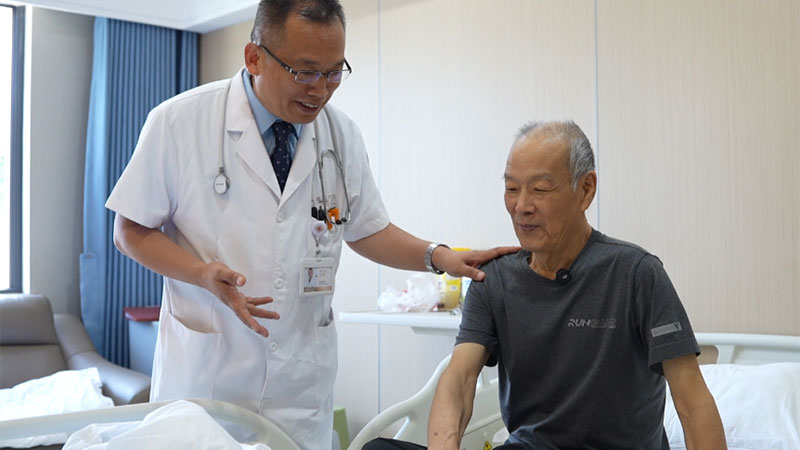
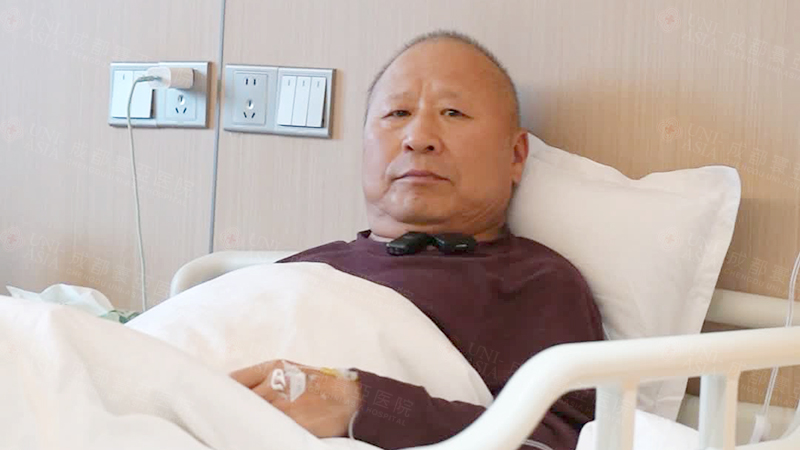
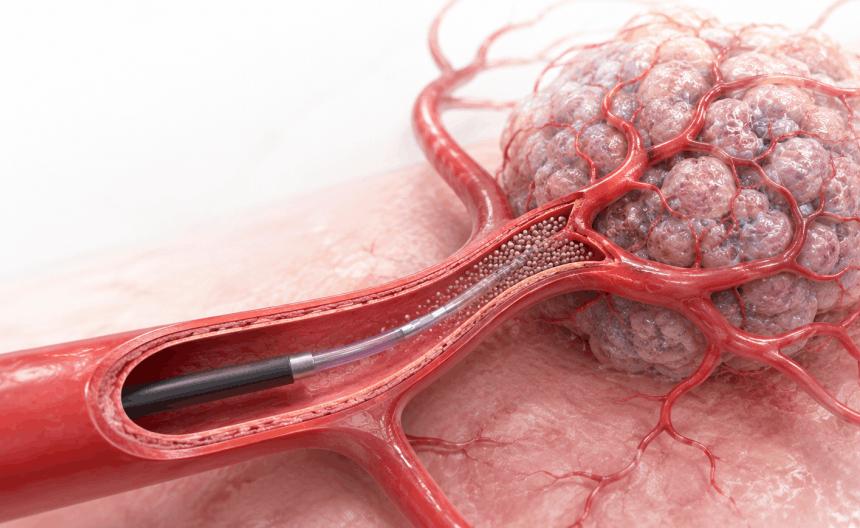
A 71-year-old Chinese patient was diagnosed with liver cancer. Because the tumor was adjacent to major blood vessels and the patient was elderly and physically weak, he visited multiple hospitals over three years and was repeatedly told that surgery was not possible and that he could not tolerate chemotherapy. No effective treatment options remained. After being referred to Uni-Asia Cancer Hospital, he underwent three sessions of transarterial chemoembolization (TACE). He recovered smoothly after the procedures, and follow-up examinations showed that the tumor had almost disappeared, achieving clinical cure. He has now returned to his orchard and resumed normal life.
Wang Xiaocai
Lung Cancer
Wang Xiaocai
China
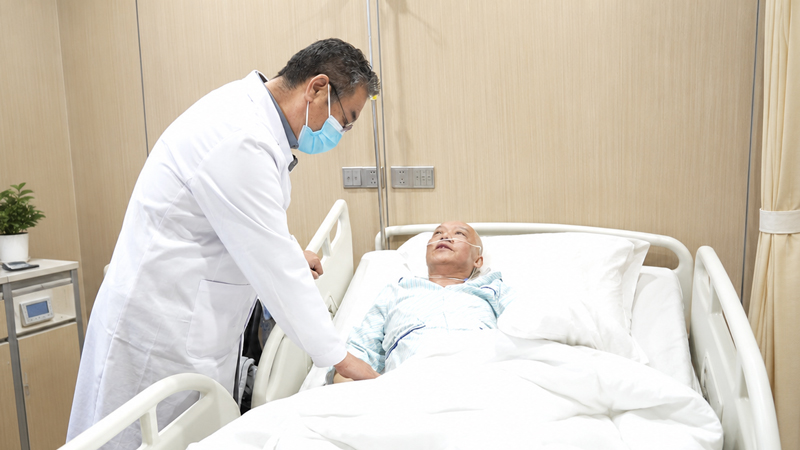
Chinese patient, diagnosed with stage IIIb lung adenocarcinoma with hilar, mediastinal, and cervical lymph node metastasis. Due to the deep and multiple locations of the tumors, and because the patient experienced no subjective symptoms, he feared open surgery and the side effects of chemotherapy and refused conventional treatment. After referral to Uni-Asia Cancer Hospital, he underwent transarterial chemoembolization (TACE) of the tumor-feeding arteries. He was able to get out of bed the day after the procedure, recovered well, has since returned to normal life, and is awaiting subsequent cycles of treatment.
Liu Heyi
Liver Cancer
Liu Heyi
China
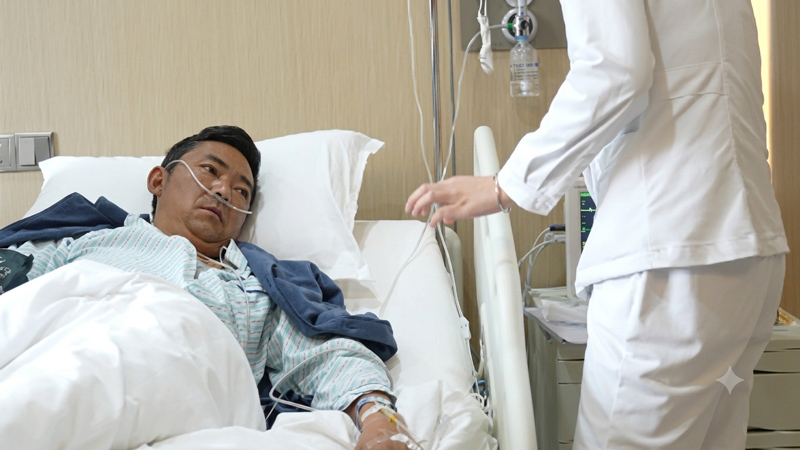
A Chinese patient was diagnosed with liver cancer accompanied by severe bile duct obstruction, severe systemic jaundice, and a weight loss of nearly 15 kg within one month. His bilirubin level was as high as 257.50 umol/L. Because the tumor was adjacent to major blood vessels, several hospitals assessed that surgical resection would carry an excessively high risk. After being referred to UNI-ASIA Cancer Hospital, he underwent two interventional treatments. He recovered quickly after the procedures, was able to get out of bed the next day, his jaundice subsided, his weight stabilized, and he has now returned to normal life.
Chen De
Bladder Cancer
Chen De
China
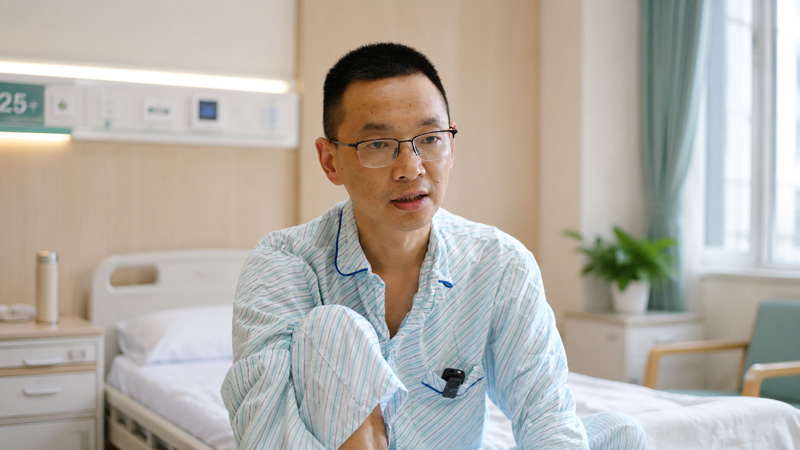
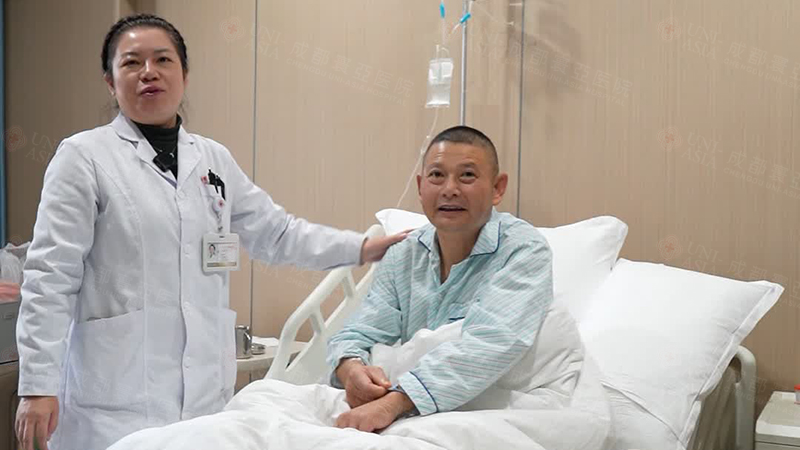
A Chinese patient presented with recurrent bladder cancer six years after initial surgery, accompanied by liver metastasis and abdominal aortic thrombosis. The MDT at West China Hospital recommended radical cystectomy, but the patient declined due to concerns about his physical condition. After undergoing interventional therapy at our hospital, his demeanor shifted markedly — from withdrawn and largely silent before treatment to actively engaging in conversation with his family afterward. His pain has lessened, and he now awaits the next cycle of treatment with renewed confidence.
Tian Yufang
Colorectal Cancer
Tian Yufang
China
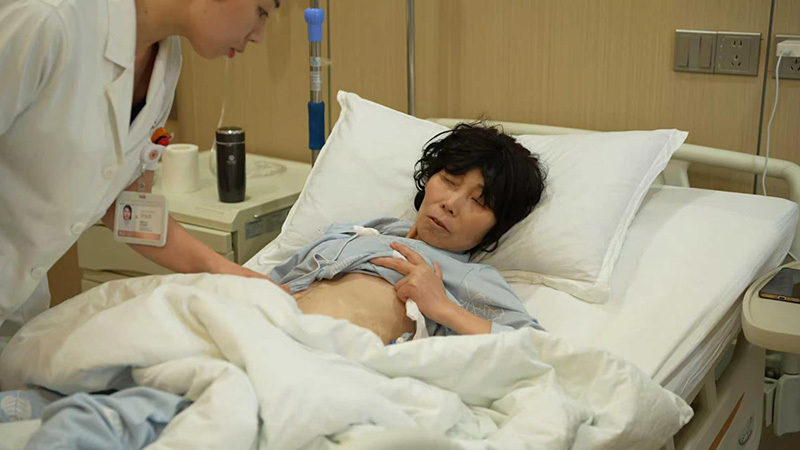
A 60-year-old Chinese female patient underwent radical resection for colon cancer one year ago. Following surgery, she experienced multiple recurrences and pelvic metastasis, enduring repeated operations and several rounds of chemotherapy across various hospitals. Severe toxic side effects left her unable to tolerate further treatment—physically debilitated and mentally anguished. After transferring to Uni-Asia Cancer Hospital, a multidisciplinary team (MDT) convened and formulated an individualized arterial interventional treatment plan. Post-procedure, her symptoms improved markedly: pain subsided, her mental state brightened significantly, and both appetite and sleep were restored. Deeply satisfied with the outcome and the care she received, she voluntarily recommended the hospital to her cousin, who is battling pancreatic cancer. The cousin has since contacted Uni-Asia Cancer Hospital and is currently undergoing a preliminary remote consultation.
Li Xiufang
Liver Cancer
Li Xiufang
China
A 9-year-old Chinese girl was diagnosed with a massive tumor in the second hepatic portal region of the liver. Due to its proximity to major blood vessels, multiple hospitals deemed it inoperable. Her family then brought her to Chengdu Uni-Asia Hospital, where Professor Liao Zhengyin's team, after multidisciplinary discussion, formulated a precise, minimally invasive interventional treatment plan and successfully performed the procedure. The patient adhered to regular follow-ups as advised. Imaging surveillance showed complete tumor regression, with no recurrence for 17 consecutive years and all parameters remaining normal. Today, she has graduated with honors as an outstanding university student and is now working professionally, enjoying a long-term, high-quality life.
Shu Yuanzhi
Pancreatic Cancer
Shu Yuanzhi
China
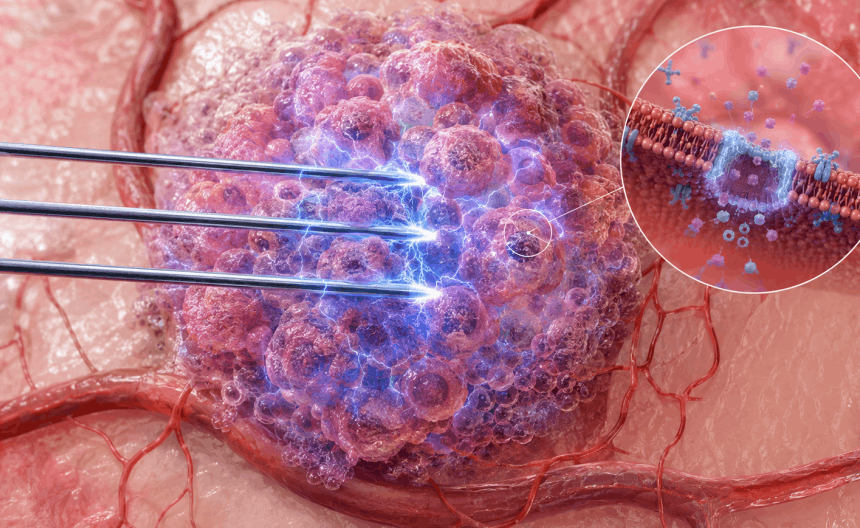
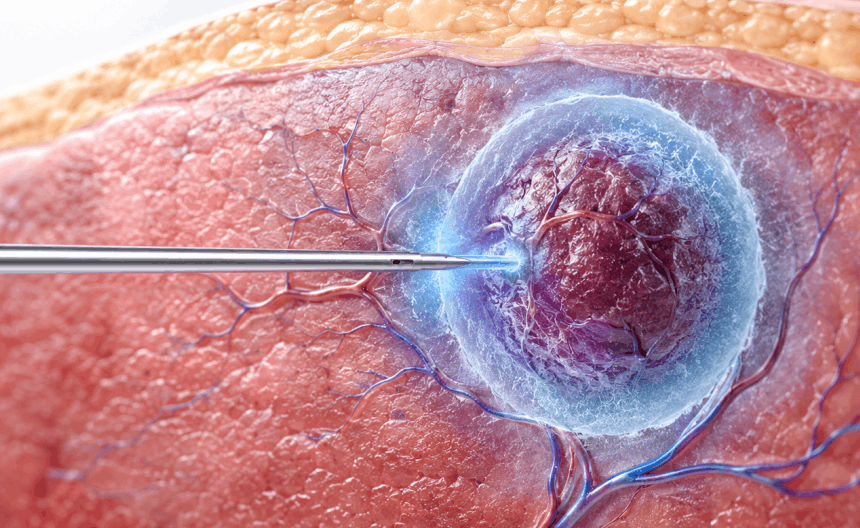
Chinese national, 57 years old, diagnosed with locally advanced pancreatic head cancer. He also has an Rh-negative blood type (commonly known as "panda blood" in China). Due to the dense vascular network surrounding the pancreatic head and the extremely high risk of intraoperative bleeding, compounded by the acute shortage of Rh-negative blood, multiple hospitals deemed surgical resection too risky. After referral to Chengdu Uni-Asia Cancer Hospital, Professor Liao Zhengyin's team performed an irreversible electroporation (NanoKnife) ablation procedure, using high-voltage electrical pulses to precisely destroy tumor cells without damaging vascular or other structures, resulting in nearly zero intraoperative bleeding. Follow-up imaging one day post-procedure showed a perfect ablation zone with no bleeding or complications, and the patient was discharged smoothly.
Xiao Li
Breast Cancer
Xiao Li
China
Chinese female patient, diagnosed with invasive lobular breast cancer for 5 years. The tumor had grown to a massive 17 cm in size, with ulceration, pus drainage, and malodor. After multiple rounds of radiotherapy and chemotherapy at outside hospitals, she suffered severe side effects she could no longer tolerate—her hands and feet turned black, and her body was extremely weakened. After being declined by several hospitals, she learned about Chengdu Uni-Asia Cancer Hospital through a short video and insisted on seeking treatment there despite her family's objections. Following evaluation by Uni-Asia Cancer Hospital 's multidisciplinary team (MDT), she underwent several sessions of arterial interventional embolization. Post-treatment, the tumor shrank from 17 cm to 7 cm, and then completely disappeared. The ulcerated surface dried and healed, and the malodor resolved. The patient recovered well and regained her confidence in life.
Gao De
Pancreatic Cancer
Gao De
China
Chinese national, 60 years old, diagnosed with pancreatic cancer. The tumor was located in the deepest, most hidden recess of the pancreas, closely adjacent to and partially encasing major abdominal blood vessels. It was deemed surgically unresectable, and chemotherapy yielded poor results. After referral to Chengdu Uni-Asia Cancer Hospital, Professor Xiao's team performed an irreversible electroporation (NanoKnife) ablation procedure, using high-voltage electrical pulses to precisely destroy tumor cells while completely preserving the surrounding vascular and bile duct structures, with nearly zero intraoperative bleeding. Post-procedure follow-up showed a perfect ablation zone with complete tumor inactivation. The patient was discharged smoothly and has returned to normal life.
Zhang Suying
Gastric cancer
Zhang Suying
China
A Chinese patient, a retired dancer, presented with extensive peritoneal metastases and severe intestinal obstruction following radical gastrectomy for gastric cancer. Multidisciplinary teams (MDTs) at several Grade-A tertiary hospitals in China indicated that no effective treatment could be offered.
Huang Peigen
Prostate Cancer
Huang Peigen
China
Chinese male patient, 60 years old, diagnosed with prostate cancer. After evaluation at an outside hospital, he was told that surgery was not an option. He underwent endocrine therapy and chemotherapy but suffered severe side effects. His PSA continued to rise; he had difficulty urinating, frequent nighttime urination, pelvic pain, and an extremely poor quality of life. After being referred to Chengdu Uni-Asia Cancer Hospital, a multidisciplinary team (MDT) conducted a consultation and developed a personalized arterial interventional embolization treatment plan for him. After several sessions of interventional therapy, follow-up examinations showed significant tumor shrinkage, a sharp drop in PSA, restored normal urination, disappearance of pelvic pain, and marked improvement in energy and physical strength. He has since returned to normal life.
Nguyen Thi Thu Huong
Cervical Cancer
Nguyen Thi Thu Huong
Vietnam
A 50-year-old female patient was diagnosed with cervical squamous cell carcinoma. After evaluation at a local hospital, she was deemed to have no further effective treatment options. She was then referred to our hospital after multiple attempts. Our expert team held an emergency consultation and developed an interventional treatment plan. Hepatic artery infusion chemoembolization was performed. After the procedure, tumor viability decreased significantly, and the patient’s mental state and appetite improved markedly. She has since returned to her home country and is regularly followed up with scheduled re-examinations.
MDT Team
Bringing together senior experts in China's precision minimally invasive cancer treatment field to provide you with world-leading minimally invasive cancer treatment services.
More Cancer Experts
Treatment Technologies
Providing targeted, world-class precision treatment solutions for patients worldwide.
More Treatments

Consultation

Name
Age
Phone Number
Email
Your Question

Submitted Successfully

We have received your consultation. Thank you for your trust. A specialist will contact you within 72 hours, so please keep an eye on your phone calls and email.

Book Appt. WhatsApp
Call Us