
Luo Xiaoping | Oncology Expert in Precision Minimally Invasive Cancer Treatment in China
- Doctors
- Luo Xiaoping

(1)The Chongqing Science and Technology Progress Award is a municipal-level authoritative science and technology award established by the Chongqing Municipal People's Government. It aims to recognize scientific researchers who have achieved outstanding results in technological innovation, achievement transformation, and industrial application. Winning this award signifies that the value of one's scientific research achievements and professional competence have received official authoritative recognition at the municipal level. Awardees are regarded as core research backbones with outstanding accomplishments in their corresponding fields in Chongqing.
(2)The Chongqing Municipal Health Bureau Science and Technology Achievement Award is a municipal-level authoritative industry science and technology award established by the health system of Chongqing. It focuses on clinical technological innovation, medical research breakthroughs, and the transformation and application of achievements in the medical and healthcare fields. Experts who receive this award have had their scientific research capabilities and clinical innovation accomplishments authoritatively recognized by the municipal health industry. They are backbone talents with solid professional competence in their corresponding medical and health fields in Chongqing.
Using precision intervention to conquer life’s most critical challenges, he has devoted more than three decades to exemplifying the responsibility and compassion of a physician.
——A Dialogue with Professor Luo Xiaoping, Group Leader of the Group of Intervention of Radiological Diagnosis in The Second Affiliated Hospital Of Chongqing Medical University
For more than thirty years, he has been deeply committed to precision interventional oncology, advancing the field of interventional medicine in Southwest China with outstanding skill and dedication.
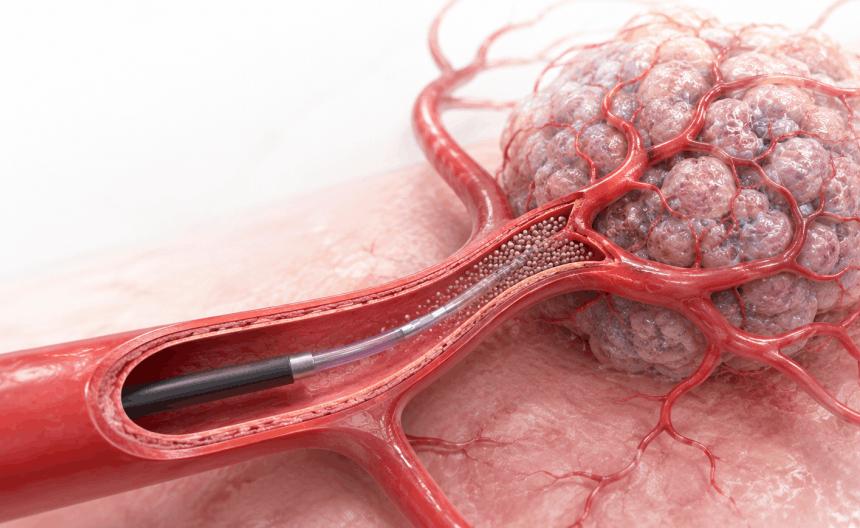
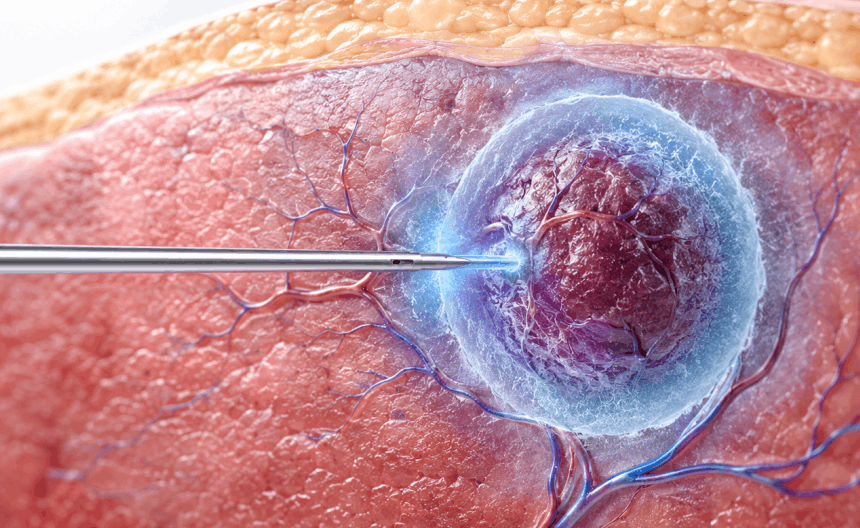
At the cutting edge of interventional radiology is a physician who wields microcatheters and guidewires with extraordinary precision. Under the guidance of DSA imaging, he skillfully traverses the body’s most complex vascular pathways, delivering embolic materials and chemotherapy agents directly to the tumor’s feeding arteries. He is Professor Luo Xiaoping—a nationally recognized expert and one of the foremost authorities in interventional radiology in Western China.
Professor Luo Xiaoping's career in interventional radiology started in the early 1990s when this specialty was still developing in China. In spite of restricted tools and difficult circumstances, he stayed committed to mastering precise vascular interventional techniques, consistently investigating, evaluating, and enhancing his abilities through numerous clinical cases.Through a multitude of challenging interventions, Professor Luo has gained extensive hands-on experience, ranging from standard TACE procedures for liver cancer to thorough interventional treatments for intricate Budd–Chiari syndrome, as well as transjugular intrahepatic portosystemic shunt (TIPS) procedures and the demanding placement of biliary stents. After years of commitment, he contributed to establishing the Interventional Group within the Department of Radiology at the Second Affiliated Hospital of Chongqing Medical University as one of the pioneering teams in Chongqing to conduct interventional procedures.Professor Luo's technical skills are among the top in Southwest China and are also well respected across the country. He is often invited to give expert talks and act as a moderator or session chair at academic conferences nationwide in China.
Professor Luo Xiaoping focuses on precision interventional oncology and associated imaging studies. Throughout his career, he has conducted over 100,000 interventional procedures, comprising almost 4,000 particularly complex cases, gaining significant acclaim for his exceptional skill in precision vascular intervention.He is especially proficient in imaging diagnosis and endovascular interventional therapy for solid tumors like hepatocellular carcinoma, lung cancer, renal cancer, and esophageal cancer. Moreover, he has significant proficiency in advanced Grade IV interventional techniques, such as complex interventions for Budd–Chiari syndrome, transjugular intrahepatic portosystemic shunt (TIPS), and single-stage bilateral stenting for hilar biliary obstruction, achieving procedural success rates near 100%.
Beyond his outstanding clinical expertise, Professor Luo Xiaoping has dedicated himself to medical education and the development of interventional medicine. Since serving as a master’s supervisor in 2007, he has trained numerous postgraduate students and young physicians in the field of interventional radiology. He has also been widely invited to over 40 major hospitals across Western China to perform complex case consultations and surgical guidance. Through hands-on mentorship and technical support, he has helped many regional hospitals establish advanced interventional programs, playing an important role in advancing interventional medicine across Western China.
From the clinical frontline to the forefront of scientific research, and from patient care and medical education to academic leadership, Professor Luo Xiaoping has demonstrated the responsibility and dedication of an oncologist through decades of unwavering commitment, making outstanding contributions to comprehensive cancer care in western China and throughout the nation.
Professor Luo Xiaoping's Academic Achievements
According to statistics, Professor Luo Xiaoping has published a total of 32 papers as the first author or corresponding author, including 22 papers in CSCD core journals, 4 papers in Chinese core journals, and 6 papers in CSCD extended journals. His research interests span a wide range of fields, including precision interventional therapies for solid tumors such as liver cancer and lung cancer, endovascular embolization techniques, the clinical application of TIPS (transjugular intrahepatic portosystemic shunt), imaging technology evaluation, and research on interventional medical education.
Selected Publications by Professor Luo Xiaoping
1. Wang Yuxi, Luo Xiaoping, Liu Xi, He Mingju, Yang Wei. Imaging Features and Factors Influencing the Right Inferior Phrenic Artery Branches Supplying Primary Liver Cancer. Chinese Journal of Hepatology. 2015, 23(10): 1742-1747.
To investigate the angiographic characteristics and influencing factors of the right inferior phrenic artery branches feeding hepatocellular carcinoma.
2. Wang Yuxi, Luo Xiaoping, Liu Xi, He Mingju, Yang Wei. Imaging Characteristics of Omental Arteries Supplying Hepatocellular Carcinoma and the Clinical Value of Embolization Therapy. Acta Academiae Medicinae Militaris Tertiae. 2015,37(8):816-820.
To investigate the imaging characteristics of the greater omental artery feeding hepatocellular carcinoma and the clinical value of complete embolization therapy.
3. Luo Jiamin, Luo Xiaoping, Liu Xi, He Mingju, Yang Wei. Analysis of Factors Associated with RIPA (Right Inferior Phrenic Artery) Involvement in Tumor Blood Supply During Initial TACE for Hepatocellular Carcinoma. Acta Academiae Medicinae Militaris Tertiae. 2015,37(13)1388-1392.
To investigate the factors associated with right inferior phrenic artery (RIPA) involvement in tumor blood supply during initial transcatheter arterial chemoembolization (TACE) for hepatocellular carcinoma, and to provide a basis for preoperative prediction of its potential tumor-feeding involvement.
4. Luo Jiamin, Luo Xiaoping, Liu Xi, He Mingju, Yang Wei. Imaging Characteristics and Transcatheter Arterial Chemoembolization of Hepatocellular Carcinoma Supplied by the Right Renal Capsular Artery. Chinese Journal of Hepatology. 2015,23(7)517-521.
To retrospectively analyze the clinical and imaging characteristics of patients with primary hepatocellular carcinoma (PHC) supplied by the right renal capsular artery (RRCA) and to evaluate the technical success, safety, and clinical efficacy of transcatheter arterial chemoembolization (TACE) via the RRCA.
5. Qing Yun, Luo Xiaoping, Liu Xi, He Mingju, Yang Wei. Imaging Features of the Origins of the Right Inferior Phrenic Artery and Its Contribution to Tumor Blood Supply in Primary Hepatocellular Carcinoma. Acta Academiae Medicinae Militaris Tertiae. 2014,5(36):478-482.
This study retrospectively analyzed the origins, anatomical variations, and tumor blood supply characteristics of the right inferior phrenic artery in patients with primary hepatocellular carcinoma, aiming to improve the therapeutic efficacy of transcatheter arterial chemoembolization (TACE).
6. Zhang Xiaoyu, Luo Xiaoping, Luo Yindeng, Ni Weiguo, Peng Rui. The value of a one-stop 320-row CT upper abdominal examination in TACE treatment for liver cancer. Acta Academiae Medicinae Militaris Tertiae. 2013,8(35):796-800.
Clinical Value of 320-Row CT One-Stop Upper Abdominal Imaging in Transcatheter Arterial Chemoembolization for Hepatocellular Carcinoma.
7. Liu Xi, Luo Xiaoping, Cao Wenting, Deng Hao. Experimental Study of Transarterial Chemoembolization Using Pingyangmycin Mixed with Lipiodol for Inhibiting the Growth of Rabbit VX2 Liver Tumors. Chinese Journal of Hepatology. 2012,8(20):611-616.
This study aimed to evaluate the effects of transarterial chemoembolization with a Pingyangmycin–lipiodol emulsion administered through tumor-feeding arteries on tumor tissue, feeding vessels, and angiogenesis in rabbit VX2 liver tumors. The findings demonstrated that pingyangmycin had a favorable therapeutic effect on rabbit VX2 liver tumors and that hepatic arterial chemoembolization combined with ultrafluid lipiodol was the most effective treatment strategy.
8. Liu Xi, LuoXiaoping, He Mingjun. Tumor Feeding Arteries and Transarterial Chemoembolization for Retroperitoneal Invasive Lesions of Massive Hepatocellular Carcinoma. Chinese Journal of Hepatology. 2010,12(18):890-893.
By analyzing the sources of tumor-feeding arterial blood supply and the characteristics of digital subtraction angiography findings in massive hepatocellular carcinoma with retroperitoneal invasion, this study explored methods for achieving complete occlusion of the tumor blood supply.
9. Luo Xiaoping, Xie Weibo, Yu Mingxian, Zhao Jiannong. Characteristics of Digital Subtraction Angiography Findings and Clinical Significance of Right Inferior Phrenic Artery Tumor Supply in Intermediate- and Advanced-Stage Hepatocellular Carcinoma. Journal of Clinical Radiology. 2004, 23(10) : 894-896.
To investigate the DSA (digital subtraction angiography) characteristics and clinical significance of right inferior phrenic artery involvement in large hepatocellular carcinoma, with the aim of improving the clinical efficacy of interventional therapy. Materials and Methods: Highly selective catheterization of the right inferior phrenic artery supplying the tumor was performed for DSA examination, and the imaging characteristics were analyzed. Meanwhile, embolization therapy was carried out, and the therapeutic efficacy was evaluated.
10. Luo Xiaoping, Gan Wei. Efficacy Analysis of Interventional Therapy for Arteriovenous Fistula Associated with Hepatocellular Carcinoma in 38 Patients. Chinese Journal of Hepatology. 2007,15(5):368-371.
This study retrospectively evaluated the efficacy of superselective transarterial embolization for hepatocellular carcinoma complicated by arteriovenous fistula, with the aim of improving patients’ quality of life and prolonging survival.
11. Luo Xiaoping, Gan Wei. Clinical Value and Therapeutic Efficacy of Absolute Ethanol in Transarterial Embolization for Massive Hepatocellular Carcinoma. Journal of Clinical Radiology. 2008,27(1):89-92.
This study assessed the clinical efficacy and adverse reactions of absolute ethanol used in transarterial embolization for massive hepatocellular carcinoma and investigated the key technical considerations and clinical value of this treatment approach.
12. Zhang Xiaoyu, Luo Xiaoping, Zhao Jiannong, Luo Yindeng, Ni Weiguo, Jing Yongyong, Peng Rui, Kuang Xiao, Wu Cuixia.This study assessed the clinical efficacy and adverse reactions of absolute ethanol used in transarterial embolization for massive hepatocellular carcinoma and investigated the key technical considerations and clinical value of this treatment approach. Journal of Chongqing Medical University. 2013,7(38):805-809.
This study evaluated the clinical value of 320-detector row volume CT perfusion imaging in assessing viable lesions after transcatheter arterial chemoembolization (TACE) for hepatocellular carcinoma.
13. Luo Xiaoping, Yu Mingxian. DSA Characteristics of Omental Artery Blood Supply in Large Hepatocellular Carcinoma and the Clinical Value of Superselective Embolization Therapy: A Report of 8 Cases. Journal of Practical Radiology. 2008, 24(11):1565-1566.
This study investigated the DSA characteristics and clinical significance of omental artery blood supply in large hepatocellular carcinoma in order to improve the clinical efficacy of interventional therapy. Materials and Methods: Highly selective catheterization of the omental artery supplying the tumor was performed for digital subtraction angiography (DSA), and the imaging characteristics were analyzed. Meanwhile, embolization therapy was carried out, and the therapeutic efficacy was evaluated.
14. Luo Xiaoping, Xie Weibo, He Mingju. Clinical Value of Superselective Absolute Ethanol Embolization of Tumor-Feeding Arteries in Small Hepatocellular Carcinoma: A Report of 95 Cases. Journal of Chongqing Medical University. 2009,34(7):951-954.
This study retrospectively evaluated the safety, technical success rate, and therapeutic efficacy of superselective catheterization and absolute ethanol embolization of tumor-feeding arteries in small hepatocellular carcinoma, with the aim of exploring a new therapeutic approach for small hepatocellular carcinoma.
15. Song Liejun, Luo Xiaoping, Luo Yindeng, Wang Jingxiang. Clinical Value of Digital Subtraction Angiography Stepping Technique in Lower Extremity Angiography. Journal of Chongqing Medical University. 2009,34(5):643-645.
This study retrospectively evaluated the feasibility, effectiveness, and clinical practical value of the digital subtraction angiography (DSA) stepping technique in lower extremity angiography.
16. Song Liejun, Luo Xiaoping, Luo Yindeng, Wang Jingxiang. Clinical Value of Rotational Digital Subtraction Angiography in Cerebral Angiography. Journal of Chongqing Medical University. 2009,34(1):99-101.
To investigate the clinical value of rotational digital subtraction angiography (DSA) in the diagnosis of intracranial aneurysms. Methods: A Shimadzu 1250 mA CCD digital subtraction C-arm X-ray system was used to perform both conventional anteroposterior and lateral angiography as well as rotational DSA in 35 patients with suspected intracranial aneurysms. The visualization of intracranial aneurysms obtained by the two imaging techniques was compared.
17. Luo Xiaoping, Xie Weibo. Clinical Value of Superselective Catheterization and Chemoembolization of Tumor-Feeding Arteries in the Treatment of Lung Tumors: A Report of 90 Cases. Journal of Chongqing Medical University. 2007, 32(8):862-865.
Evaluation of the safety, technical success rate, and efficacy of superselective chemoembolization of tumor-feeding arteries for bronchogenic lung cancer and hypervascular metastatic lung tumors.
18. He Jingjiang, Luo Xiaoping, Luo Yindeng. Evaluation and clinical value of the non-compression intravenous pyelography technique. Journal of Chongqing Medical University. 2009,34(12):1740-1742.
A retrospective study to determine the optimal technical approach for obtaining high-quality intravenous pyelography (IVP) images to ensure comprehensive and accurate diagnosis.
19. Wang Yuxi, Luo Xiaoping, Liu Xi, He Mingju, Yang Wei. Imaging features of factors related to blood supply from right inferior hepatic artery branches in hepatocellular carcinoma. Journal of Chongqing Medical University. 2001,30(3):215-216,26.
To analyze the angiographic features and factors related to the blood supply from right inferior phrenic artery (RIPA) branches in hepatocellular carcinoma (HCC).
20. Zhou Sijia, Luo Xiaoping, Liu Xi, He Mingju. Safety and efficacy of TACE combined with TIPS for treating primary hepatic carcinoma complicating liver cirrhosis portal hypertension. Journal of Chongqing Medical University. 2018,46(35).
Objective To evaluate the safety and efficacy of transcatheter arterial chemoembolization (TACE ) combined with transjugular intrabepatic portosystemic shunt (TIPS) in the patients with primary liver cancer complicating cirrhosis portal hypertension.
Professor Luo Xiaoping’s Research projects
1.In 2007, presided over a bureau-level scientific research project funded by the Chongqing Municipal Education Commission: superselective catheterization embolization with Pingyangmycin and ultra-fluid lipiodol in a rabbit VX2 liver cancer model and functional MRI imaging.
2.In 2007, presided over a bureau-level scientific research project funded by the Chongqing Municipal Health Bureau: Experimental study on Cordyceps sinensis in hepatic arterial embolization of a rabbit VX2 liver cancer model.