


Have you been told that your cancer is “inoperable” or cannot be treated with chemotherapy?
Because of age, impaired cardiopulmonary function, or tumor location

Because of age, impaired cardiopulmonary function, or tumor location

Poor cardiopulmonary function, breathless with even the slightest movement

Hair loss, nausea, bone marrow suppression, and immune-system impairment

Conventional treatment options have been deemed too risky
UNI-ASIA International Lung Cancer Center seeks solutions for seemingly intractable complex lung cancer through minimally invasive interventional care.
From initial diagnosis through treatment and follow-up, an MDT team supports you throughout your care.
Lung cancer patients seen at our hospital
Clinical treatment effectiveness rate
Experts from leading tertiary hospitals in China
* Clinical treatment effectiveness rate: the proportion of inpatients who complete at least 95% of the planned treatment, show significant improvement during follow-up, and have an average survival extension of more than 10 months.
Whatever type of lung cancer you have, our expert team can assess suitable minimally invasive interventional options.
Adenocarcinoma · Squamous cell carcinoma · Large cell carcinoma
The tumor involves the mediastinum, chest wall, or vertebral body, or lies close to major blood vessels, making complete surgical removal unsuitable.
Residual disease or recurrence after radiotherapy and chemotherapy
For patients who do not respond well to conventional radiotherapy or chemotherapy, cannot tolerate systemic treatment, and need precise local control.
The primary tumor is controlled, but one or a few metastases have appeared in the lungs
Cryoablation or radioactive seed implantation can precisely inactivate lesions while avoiding repeated open-chest surgery.
Patients who cannot undergo a second operation
Radioactive seed implantation or local ablation may be used to manage residual lesions and avoid additional surgical trauma.
Combined with COPD, coronary heart disease, and emphysema
Minimally invasive treatment under local anesthesia can avoid general anesthesia while helping preserve cardiopulmonary function.
Tumor invades the spine, ribs, and pelvis
Vertebroplasty with bone cement, combined with radioactive seed implantation, may rapidly relieve pain and stabilize the spine.
Your care is supported by a multidisciplinary team from leading Chinese hospitals. They bring extensive experience in minimally invasive tumor treatment and work together to shape your treatment plan.
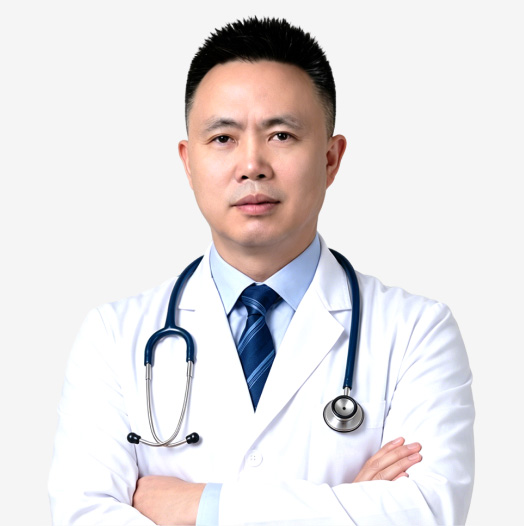
Senior Specialist, Cancer Center, West China Hospital
“Founder of the West China MDT team for complex tumors, with extensive experience in treating complex cases that are difficult to manage elsewhere.”
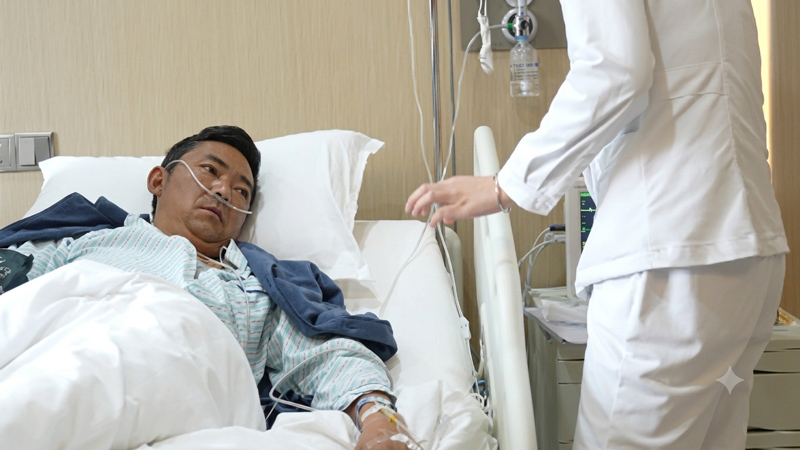
"On my way home, I watched the mountains fade beyond the window. I had never felt so at ease. I could return to the farm and the market—my life felt alive again. Professor Liao gave me a clear path forward. If I keep going, there is still a long road ahead."
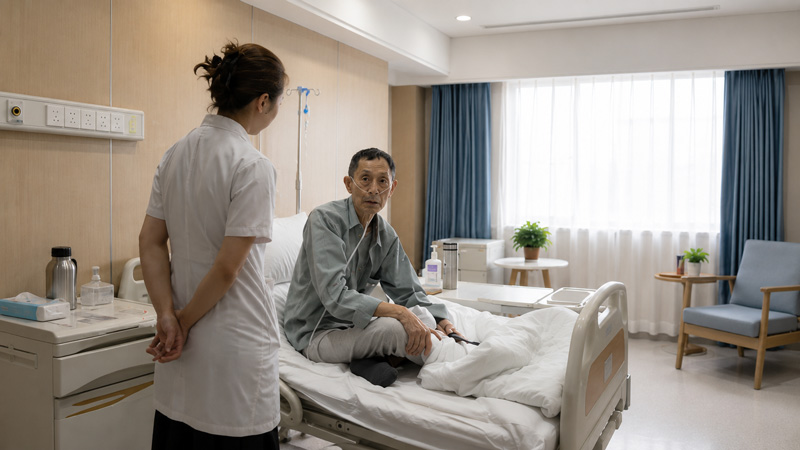
"Now I can go to the garden and play a few games of chess with my old friends. When the wind blows, my chest feels clear. I had not felt that relief in two years. The tumor is no longer active, and I am still living. Thank you, Professor Liao, for not giving up on me. At last, I can breathe again."
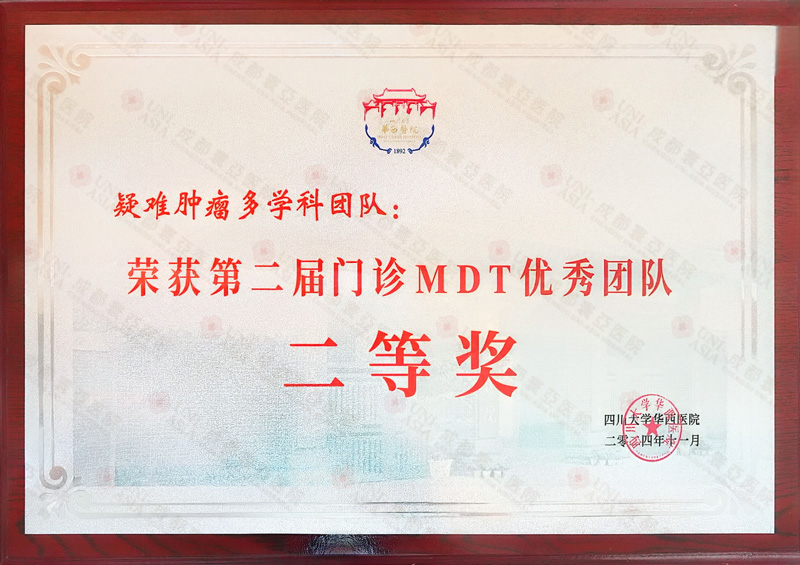
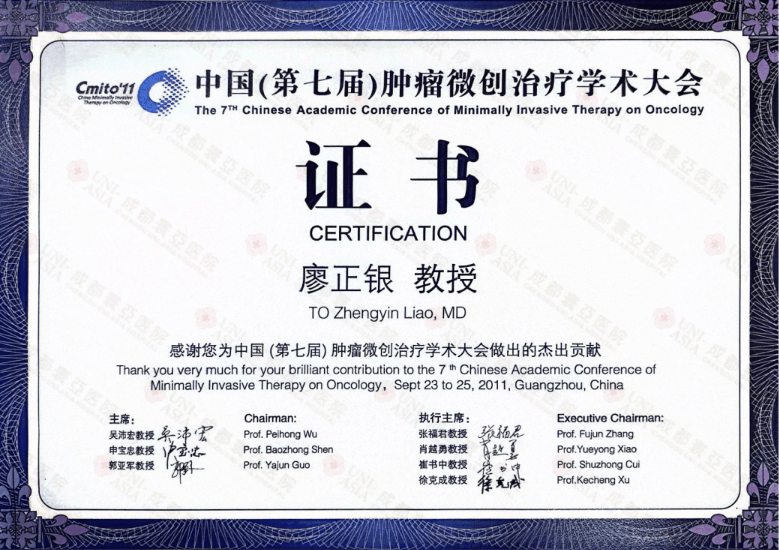
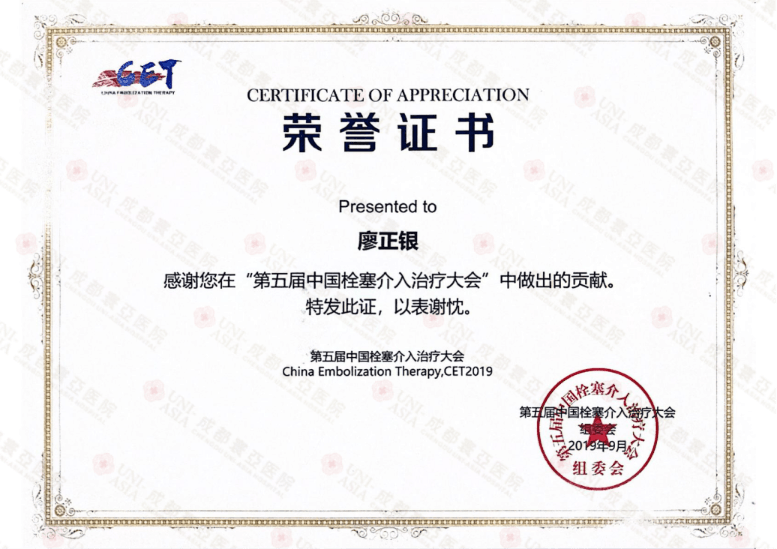
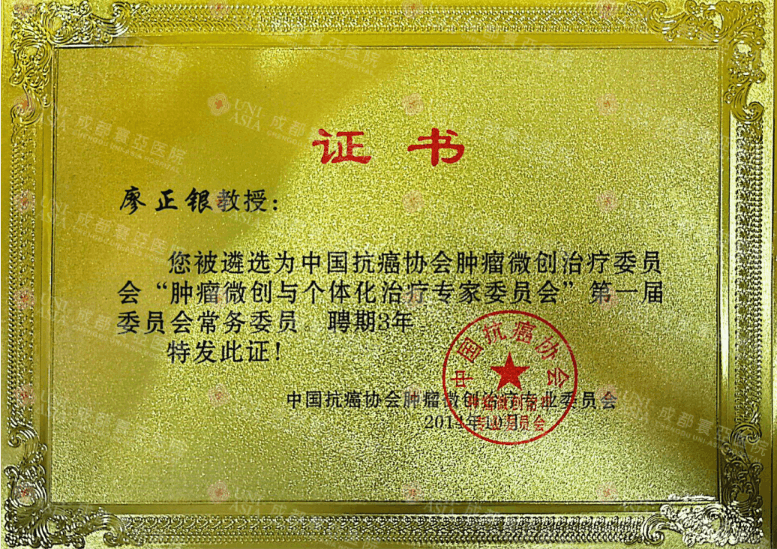
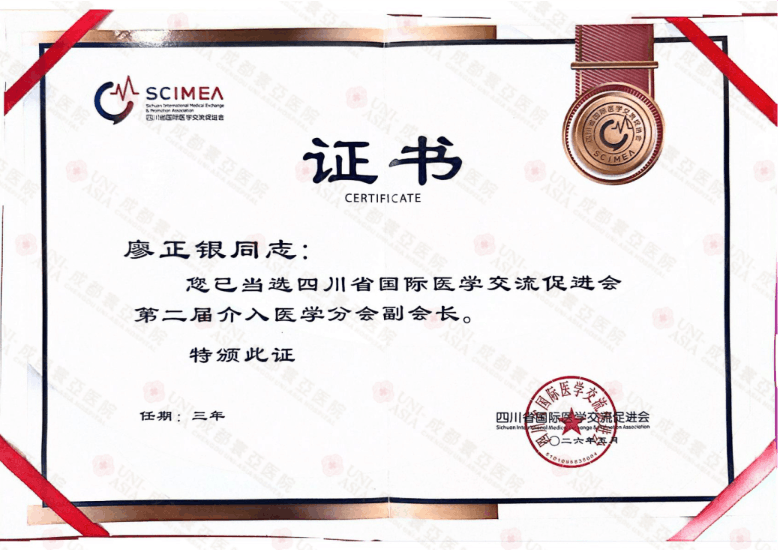
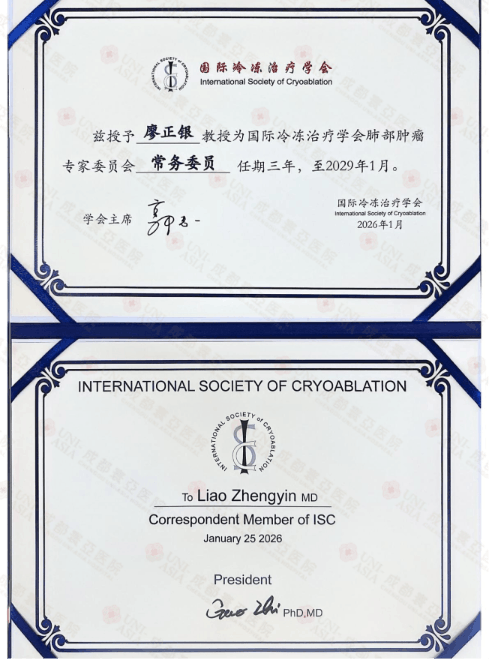
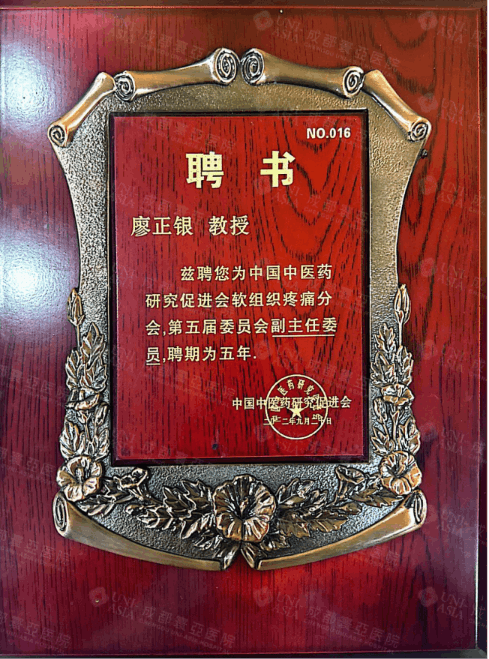

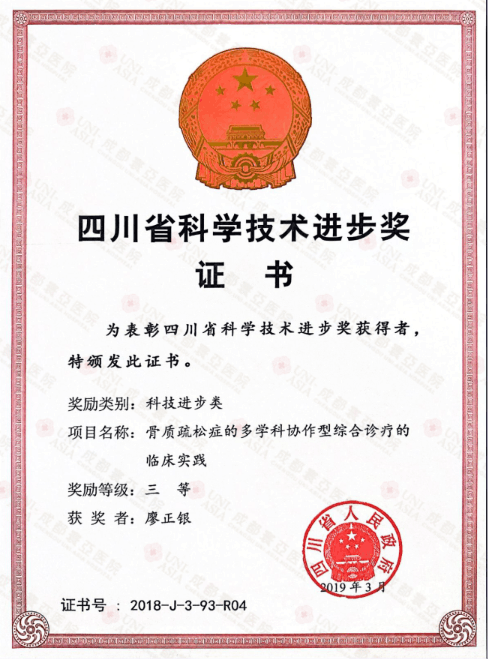
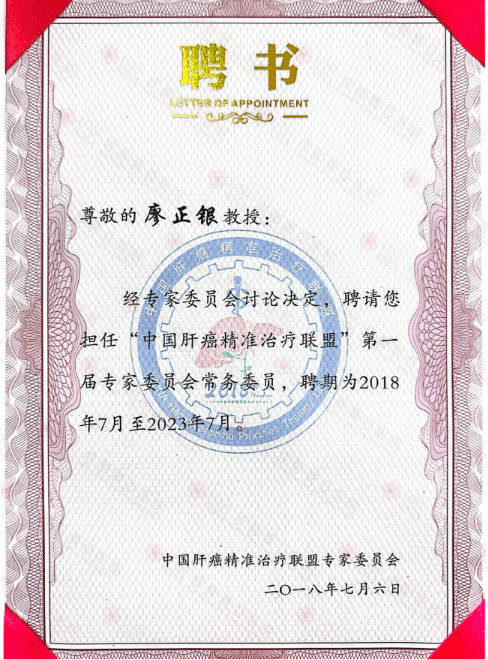
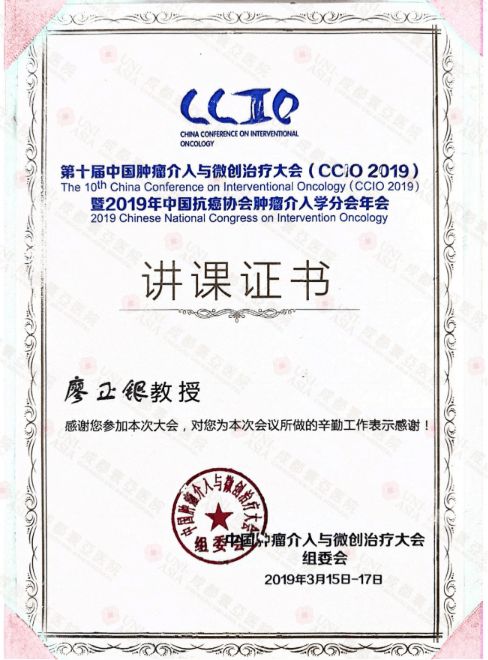
At UNI-ASIA Hospital, your attending physician is not just one doctor but an “anti-cancer team” comprising specialists in surgery, interventional medicine, targeted therapy, and traditional Chinese medicine.
Breaking down the limitations of single-department care, we bring together specialists in minimally invasive intervention, medical oncology, radiation oncology, pathology, laboratory medicine, and other fields to discuss every case in depth and develop a precisely tailored, optimal treatment plan for each patient.












We offer differentiated support for patients with complex lung cancer.

Leading specialists participate directly in MDT consultations, treatment planning, and care delivery.

Treatment may require only a needle-sized puncture and can avoid general anesthesia, offering an option for older patients and those with impaired cardiopulmonary function.

When clinically appropriate, treatment can avoid systemic chemotherapy, targeted therapy, and immunotherapy.

Coordinated support includes multilingual medical interpretation, visa assistance, private transfers, halal meals, and insurance-claim assistance.
China is a major center for minimally invasive tumor intervention and an increasingly considered destination for international patients.
Our treating specialists come from leading Chinese hospitals, including major public medical centers such as the People's Liberation Army General Hospital and West China Hospital of Sichuan University.
China records more than one million new lung cancer cases each year. Our expert team has gained extensive experience in managing complex cases through high-volume clinical practice.
China has developed a range of guidelines and techniques in cryoablation, radioactive seed implantation, and vascular intervention. Mature technology and advanced equipment support the management of complex cases.
Compared with many countries in Europe and North America, specialist medical care in China can be more affordable; cost details are disclosed clearly and transparently, without hidden charges.
UNI-ASIA International Lung Cancer Center helps international patients access minimally invasive tumor treatment services in Asia.
China is an option worth considering for lung cancer treatment.
Each advantage is supported by the team's strong expertise and extensive clinical experience.
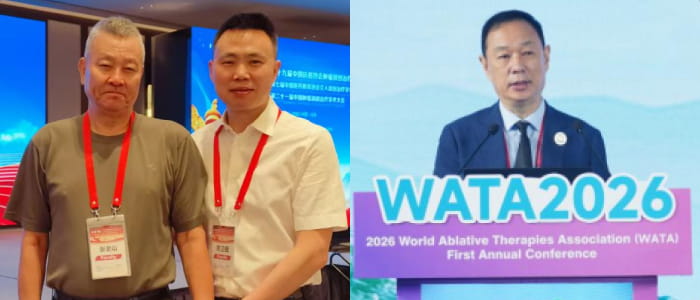
Multi-disciplinary joint strategy
Brings together expertise from multiple disciplines for in-depth collaboration, comprehensive assessment, and individualized treatment planning.
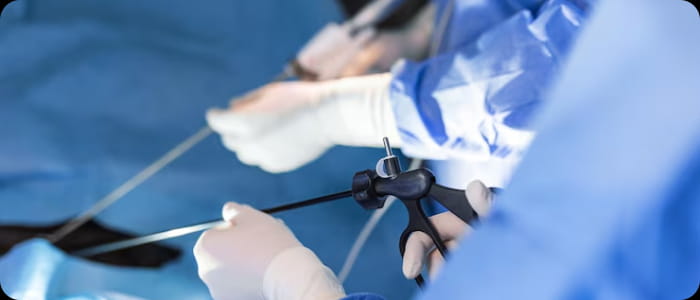
Only a needle-sized puncture may be required
Treatment can avoid open-chest surgery and general anesthesia while addressing lesions precisely with minimal trauma.
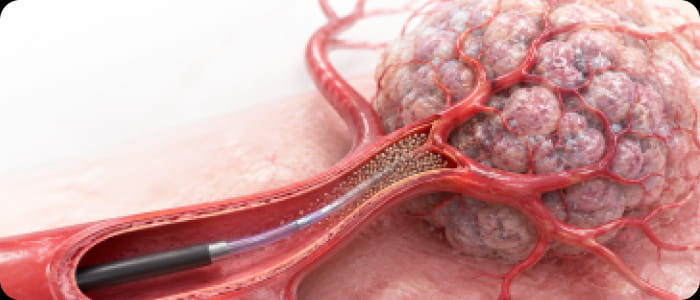
Less than 0.5 mm deviation to help protect healthy tissue
Real-time CT/DSA guidance helps target tumors precisely while limiting impact on surrounding healthy tissue.

Reduced burden from systemic treatment
May reduce the risk of severe systemic side effects, helping older patients or those with impaired cardiopulmonary function pursue treatment with greater confidence.

Additional options for difficult cases
May offer additional treatment options for patients with complex or difficult-to-treat lung cancer who are not suitable for surgery, radiotherapy, or chemotherapy.
Each complex lung cancer case reflects the collective expertise and close collaboration of our multidisciplinary team.
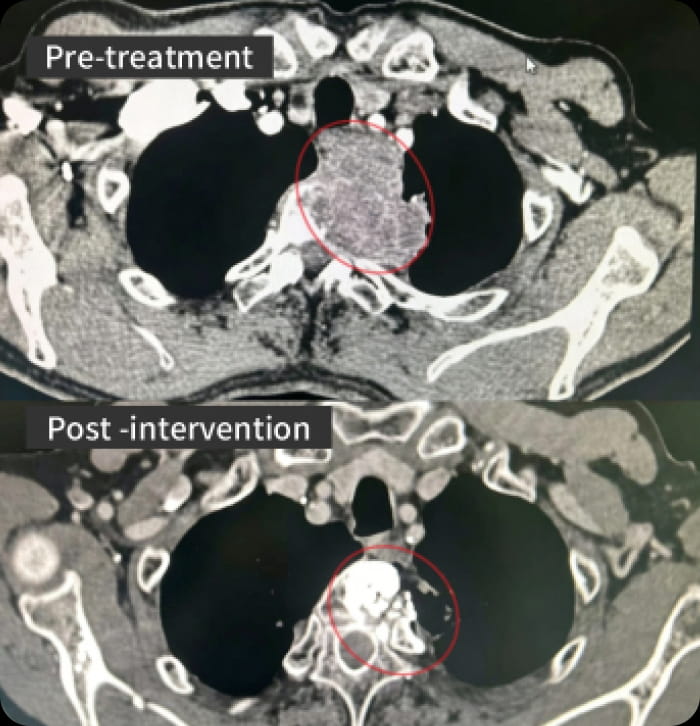
Patient condition: An older male patient had a tumor involving the second and third thoracic vertebrae and the esophagus, causing severe pain and emphysema. He had been declined for treatment by multiple hospitals.
Expert team plan: Following several MDT discussions, the expert team selected a combination of chemoembolization, vertebroplasty, and radioactive seed implantation, without systemic chemotherapy, targeted therapy, or immunotherapy.
Treatment outcome:Pain and other symptoms completely disappeared on the 3rd day after surgery. After more than 2 years of follow-up, PET-CT showed that the tumor was inactive and the patient has returned to normal life.
* This plan was jointly formulated by an expert group and reflects the clinical value of MDT collaboration
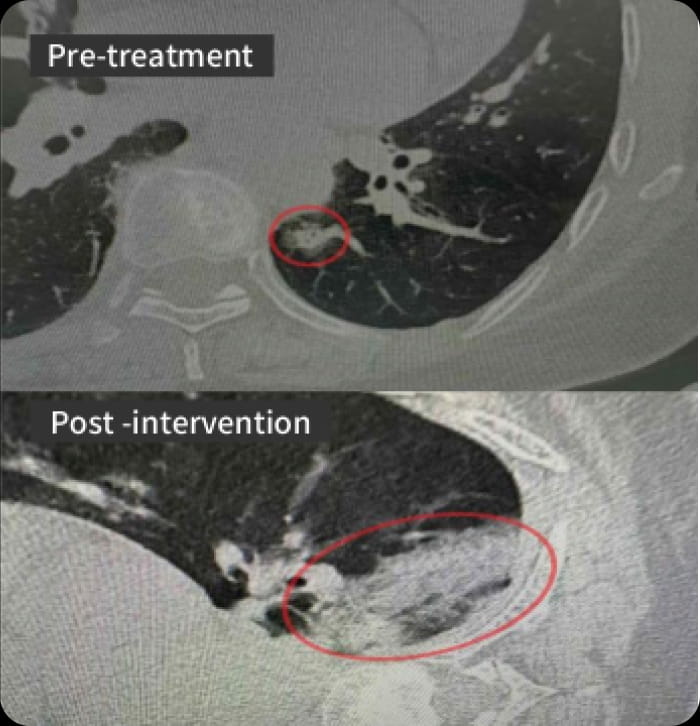
Patient condition: An 88-year-old woman with extremely poor cardiopulmonary function, unable to open the chest, and the tumor is close to the descending aorta.
Expert team plan: After careful review, the expert team developed an argon-helium cryoablation plan under local anesthesia to preserve cardiopulmonary function and control the tumor precisely.
Treatment outcome:Post-treatment imaging showed complete ablation of the lesion, with no damage to the descending aorta or surrounding lung tissue.
* This plan was individualized by the expert team for an older, high-risk patient.
As of publication, the hospital has treated more than 3,000 similar patients, with a clinical treatment effectiveness rate of 95%*.
Clinical treatment effectiveness rate: The proportion of inpatients who complete at least 95% of the planned treatment, show significant improvement during follow-up, and have an average survival extension of more than 10 months.
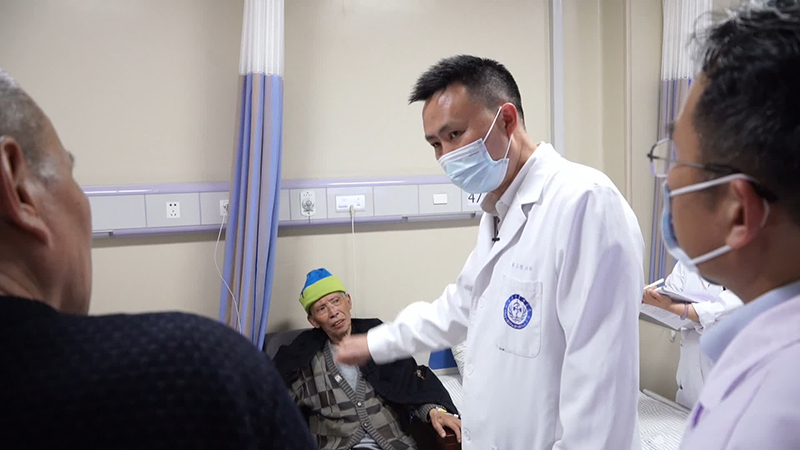
A 68-year-old Chinese man sought care for persistent chest and back pain. Examination found a lesion in the posterior mediastinum, close to the descending thoracic aorta. Another hospital considered surgical risk extremely high and the lesion unresectable. After arriving at UNI-ASIA Hospital in Chengdu...
Our expert team combines interventional techniques flexibly according to each patient's condition to create a synergistic effect “1+1>2”.
*Swipe left to view more of the table
| Treatment technology | Technical principle | Relevant team expertise | Suitable patient group |
|---|---|---|---|
| Chemoembolization (BACE/TACE) | Blocks tumor blood supply and delivers high-concentration chemotherapy locally | Liao Zhengyin · Zhang Jinshan · Li Zhiping | Advanced lung cancer in patients unable to tolerate systemic chemotherapy |
| Radioactive seed implantation (125I) | Continuous low-dose internal radiation | Luo Xiaoping · Liao Zhengyin · Hu Xiaokun | Tumors involving the vertebral body, esophagus, or major blood vessels |
| Argon-helium cryoablation | Ultra-low temperatures of up to -140°C induce tumor necrosis | Xiao Yueyong · Zhang Jinshan · Yicheng | Older patients, impaired cardiopulmonary function, and early or recurrent lesions |
| Vertebroplasty with bone cement | Injects bone cement to stabilize the spine | Liao Zhengyin · Luo Xiaoping · Hu Xiaokun | Severe pain caused by vertebral metastasis or invasion |
| Combined interventional plan | Flexible combination of multiple techniques | Developed jointly by the MDT team | Multifocal, complex, or difficult-to-treat lung cancer |
Treatments are performed under local anesthesia or mild sedation, with less trauma and faster recovery, while the expert team supports patients throughout the process.


Leading Chinese experts in minimally invasive tumor treatment
We will assemble a dedicated MDT team to support your diagnosis and treatment plan, helping ensure that every step is carefully coordinated and safe.
Free medical-record review · Book an expert consultation