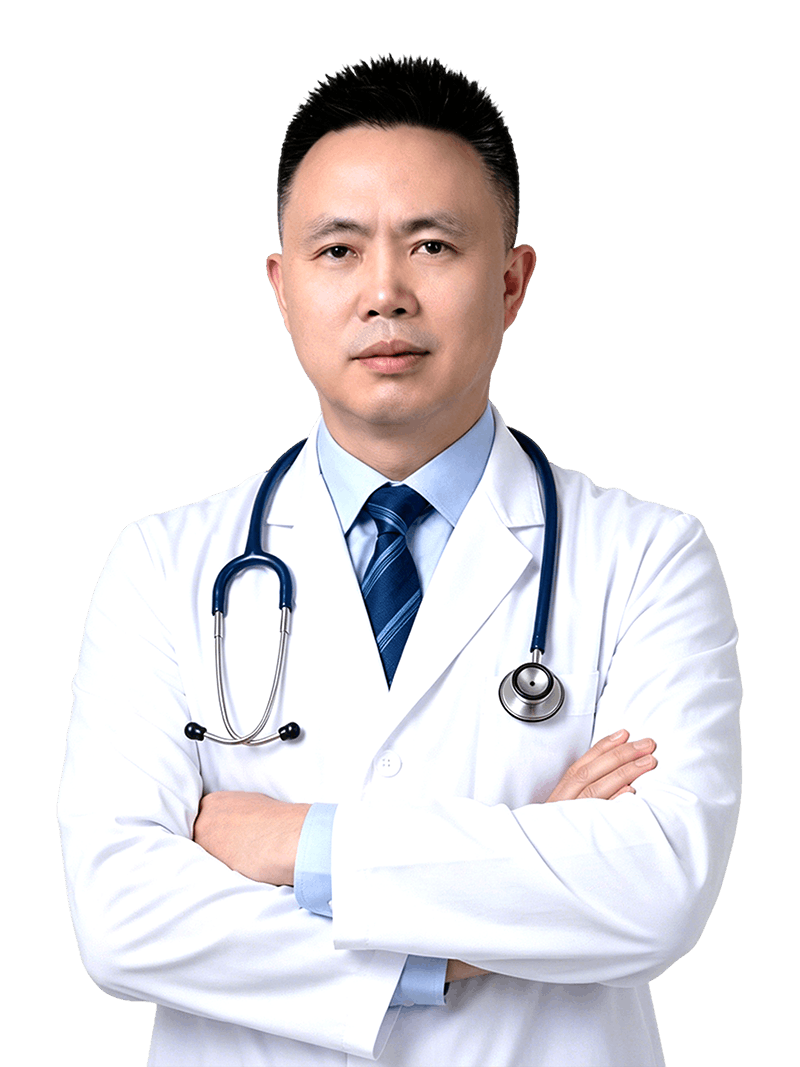
At the forefront of medical oncology, there is a physician who wields chemotherapy, targeted therapy, and immunotherapy as his weapons, crafting individualized and comprehensive treatment plans for patients with gastrointestinal cancers under the guidance of precision medicine. Deeply versed in the essence of traditional Chinese medicine, he seamlessly integrates the philosophy of integrative Chinese and Western medicine throughout the entire course of cancer treatment. He is Professor Yi Cheng — a Grade 1 expert, chief physician, doctoral supervisor in the Department of Abdominal Tumor in the Oncology Center at West China Hospital, Sichuan University, and a standing committee member of the Special Committee of Chinese-Western Integrative Oncology of Chinese Medical Doctor Association.
Professor Yi Cheng, male, born in March 1968. He earned his Bachelor's and Master's degrees from Xi'an Medical University (Xi'an Jiaotong University Health Science Center now) between 1985 and 1993. In 1996, he received his Ph.D. in Oncology from Shanghai Medical University (Shanghai Medical College of Fudan University now), under the mentorship of Professor Yu Erxin, a renowned expert in integrative Chinese-Western oncology.Upon graduation, he joined the Division of Medical Oncology, West China Hospital, Sichuan University. From 1999 to 2000, he pursued postdoctoral research at the Leslie Dan Faculty of Pharmacy, University of Toronto, Canada. After returning to China in 2000, he continued his service at West China Hospital in the department of Medical Oncology (Department of Abdominal Oncology now), where he remains to this day. He was promoted to Associate Professor/Associate Chief Physician in 2000, and Professor/Chief Physician in 2006. He has served as a Master's supervisor since 2000 and a Doctoral supervisor since 2007.
Professor Yi Cheng has dedicated over three decades to the field of medical oncology, with a primary research focus on cancer molecular pharmacology, as well as targeted and immunotherapy. Clinically, he specializes in chemotherapy for gastric, colorectal, pancreatic, and ovarian cancers, and in the comprehensive diagnosis and treatment of lung cancer, liver cancer, and pancreatic cancers, as well as bone and soft tissue sarcomas. He is also deeply versed in the application of traditional Chinese medicine in oncology. He is recognized for integrating Chinese medicine with chemotherapy, targeted therapy, and immunotherapy, and advocates the integrated treatment of tumor with traditional Chinese and Western medicine.
Professor Yi Cheng has long been dedicated to targeted therapy and immunotherapy for tumors, as well as the research and development of anticancer traditional Chinese medicines and plant-derived therapeutics. In the field of anti-angiogenic chemotherapy, he was among the first to propose the concept of “anti-angiogenic chemotherapy,” which continuously suppresses tumor neovascularization through metronomic administration of chemotherapeutic agents, thereby providing new therapeutic strategies for patients with advanced cancers.
From the clinical frontline to the frontiers of research, from the consultation room and lecture podium to academic organizations, the responsibility and commitment of an oncologist have been exemplified by Professor Yi Cheng through decades of unwavering dedication. Significant contributions have been made by him to the comprehensive cancer care enterprise in western China and across the nation.
According to statistics, Professor Yi Cheng has published nearly 100 academic papers as first author or corresponding author, including nearly 40 SCI-indexed publications. A wide range of research directions has been covered by his work, including tumor targeted therapy, immunotherapy, chemotherapy, integrative Chinese Western medicine, and the development of anti tumor agents from traditional Chinese medicine and botanicals. Both basic and clinical studies on multiple solid tumor such as lung, gastric, liver, pancreatic, and ovarian cancers have been addressed in his publications.
1. Yi Cheng, Huang Xiaobing, Hou Mei. Experimental Study on Chemotherapy Combined with Ginsenoside Rg3 in the Treatment of Lung Cancer. Chinese Journal of Integrated Traditional and Western Medicine, 2005, (01) .
Professor Yi Cheng, as the first author, investigates the synergistic efficacy and toxicity-attenuating effects of chemotherapy combined with ginsenoside Rg3 in lung cancer treatment. Using animal models, the study systematically examines the combined therapy’s inhibitory effect on tumor growth and its impact on chemotherapy-induced toxicities. The findings confirm that ginsenoside Rg3 enhances the antitumor activity of chemotherapeutic agents while mitigating their adverse effects, providing scientific evidence for traditional Chinese medicine as an adjuvant to tumor chemotherapy. This paper represents one of Professor Yi Cheng’s seminal contributions to the field of “anti-angiogenic chemotherapy” combined with traditional Chinese medicine.
2. YiCheng, Tan Jieming, JiangMing, Caodan. Traditional Chinese Medicine Treatment for Spontaneous Sweating in Cancer Patients. West China Journal of Pharmaceutical Sciences, 2003 (05)
Professor Yi Cheng, as the first author, this article explores the clinical efficacy of modified Buzhong Yiqi Decoction in treating spontaneous sweating in 47 cancer patients. The results demonstrate satisfactory clinical outcomes, confirming that traditional Chinese medicine offers unique advantages in alleviating cancer-associated symptoms and improving quality of life. These findings provide clinical reference for TCM-based adjuvant therapy in oncology.
3. Yi Cheng. Research Progress on Interventional Therapy Combined with External Radiotherapy for Primary Liver Cancer.China Oncology, 1998, 8(2): 146-147. summary, reviewed by Yurxin
Professor Yi Cheng, as the first author, under the mentorship of Professor Yu Erxin. This article presents a systematic review of the research progress on interventional therapy combined with external radiotherapy for unresectable primary liver cancer. The article points out that both methods have their advantages and disadvantages, and that using either method alone is unlikely to achieve ideal results. It proposes optimized strategies for combined therapy, providing a theoretical reference for the development of comprehensive treatment plans for liver cancer.
4. Yi Cheng, Ye Jianfei, Wu Wanyin. Clinical Study on the Effects of Traditional Chinese Medicine in Reducing Chronic Liver Function Damage Induced by Interventional Therapy for Liver Cancer. Pharmacology and Clinics of Chinese Materia Medica, 1998, 14(3): 39-40. summary, Cited 6 times.
Professor Yi Cheng, as the first author, This study explores the protective effects of traditional Chinese medicine on chronic liver function impairment in patients with liver cancer following interventional therapy. Through clinical observation of the effects of traditional Chinese medicine combined with interventional treatment on liver function indicators, the study confirmed that traditional Chinese medicine could effectively alleviate chronic liver damage induced by interventional therapy, thereby providing important clinical evidence for the integrated use of traditional Chinese and Western medicine in the treatment of liver cancer.
5. Sun L, Chen C, Zhu A, Huang Y, Zhu H, Yi C*. TRAIL mutant membrane penetrating peptide alike-MuR6-TR enhances the antiTumor effects of TRAIL in pancreatic carcinoma both in vitro and in vivo. Oncology Reports, 2018.
Prof. Yi Cheng is the Corresponding Author. This study constructed a novel TRAIL mutant membrane-penetrating peptide-like fusion protein, MuR6-TR, and systematically evaluated its anti-tumor effects against pancreatic cancer in both in vitro and in vivo models. The results demonstrated that this mutant enhanced the apoptotic sensitivity of TRAIL-resistant pancreatic cancer cells, thereby providing a new strategy for the targeted therapy of TRAIL-resistant tumors.
6. Sun L, Zhu A, Huang Y, Zhu H, Yi C*. TRAIL mutant membrane penetrating peptide alike (TMPPA) TRAIL-Mu3 enhances the antiTumor effects of TRAIL in vitro and in vivo. Molecular Medicine Reports, 2017, 16(6): 8195-8202.
Prof. Yi Cheng is the Corresponding Author. This study developed a TRAIL mutant membrane-penetrating peptide-like fusion protein, TRAIL-Mu3, and validated its ability to enhance the antitumor effects of TRAIL in a colorectal cancer model. The results demonstrated that TRAIL-Mu3 effectively overcame tumor cell resistance to TRAIL and significantly inhibited tumor growth.
7. Sun L, Huang Y, Zhu H, Yi C*. Generation of a novel TRAIL mutant by proline to arginine substitution based on codon bias and its antiTumor effects. Molecular Medicine Reports, 2017, 16(4): 4835-4842.
Prof. Yi Cheng is the Corresponding Author.Based on a codon preference strategy, a novel TRAIL mutant was constructed through proline-to-arginine substitution, and its protein stability, receptor-binding ability, and antitumor activity were systematically investigated, providing new insights and a theoretical basis for the molecular engineering of TRAIL.
8. Zhu A, Huang Y, Zhu H, Yi C*. The synergistic effects of low-dose irinotecan and TRAIL on TRAIL-resistant HT-29 colon carcinoma in vitro and in vivo. International Journal of Oncology, 2012, 41(6): 2087-2094.
Prof. Yi Cheng is the Corresponding Author. This study investigated the synergistic antitumor effects and underlying molecular mechanisms of low-dose irinotecan combined with TRAIL in TRAIL-resistant HT-29 colon cancer cells, and demonstrated that low-dose chemotherapy can restore tumor cell sensitivity to TRAIL by upregulating death receptor expression.
9. Yang X, Wei Y, Zheng L, You J, Li H, Gao L, Gong C, Yi C*. Polyethyleneimine-based immunoadjuvants for designing cancer vaccines. Journal of Materials Chemistry B, 2022, 10(37): 7385-7399.
Prof. Yi Cheng is the Corresponding Author. This study systematically reviewed the research progress of polyethyleneimine (PEI)-based immunoadjuvants in tumor vaccine design and explored the mechanisms and potential applications of PEI carriers in enhancing antigen presentation and activating immune responses, thereby providing a theoretical basis for the optimization of tumor immunotherapy vaccine platforms.
10. Yang X, You J, Wei Y, Li H, Gao L, Guo Q, Huang Y, Gong C, Yi C*. Emerging nanomaterials applied for tackling the COVID-19 cytokine storm. Journal of Materials Chemistry B, 2021, 9(38): 7999-8013.
Prof. Yi Cheng is the Corresponding Author. This paper reviews the application strategies of emerging nanomaterials for combating the cytokine storm associated with COVID-19 and explores the potential of nanoplatforms in regulating inflammation and restoring immune homeostasis, thereby providing new insights into the application of nanomedicine in infectious diseases and tumor-associated inflammation.
11. Wei Y, Yang X, Gao L, Xu Y, Yi C*. Differences in potential key genes and pathways between primary and radiation-associated angiosarcoma of the breast. Translational Oncology, 2022, 19: 101388.
Prof. Yi Cheng is the Corresponding Author. This study compared key differentially expressed genes and signaling pathways between primary and radiation-associated breast angiosarcoma through transcriptomic analysis, revealing the molecular heterogeneity between the two subtypes and providing a basis for precise molecular subtyping and therapeutic target identification.
12. Wei Y, Zheng L, Yang X, Luo Y, Yi C, Gou H. Identification of Immune Subtypes and Candidate mRNA Vaccine Antigens in Small Cell Lung Cancer. The Oncologist, 2023, 28(11): e1105-e1117.
Prof. Yi Cheng is the Corresponding Author. This study identified immune subtypes of small cell lung cancer through immunogenomic analysis and screened candidate antigens with potential for mRNA vaccine development, thereby providing novel molecular targets for immunotherapy and vaccine development in small cell lung cancer.
13. Ran XY, Xia WL, Zhang LN, Yu XQ, Chen P, Xie KP, Zhao Y, Yi C, Li K. De novo design of type-I photosensitizer agents based on structure-inherent low triplet energy for hypoxia photodynamic therapy. Materials Horizons, 2024, 11(11): 2659-2671.
Prof. Yi Cheng is the Corresponding Author. This study designed a novel type I photosensitizer with an intrinsically low triplet-state energy structure for hypoxic photodynamic therapy, which demonstrated highly efficient reactive oxygen species generation and potent tumor suppression in the hypoxic tumor microenvironment.
14. Chen P, Hou W, Li C, Liang Q, Ma L, Zhao X, Yi C*. Lived experiences of patients with advanced pancreatic cancer on patient-reported outcomes (PROs) management: a qualitative phenomenological study in Southwest China. BMJ Open, 2025, 15(1): e088253.
Prof. Yi Cheng is the Corresponding Author. This study employed a qualitative phenomenological approach to explore the lived experiences of patients with advanced pancreatic cancer in patient-reported outcome (PRO) management in Southwest China, revealing the barriers and unmet needs in PRO management and providing empirical evidence for optimizing symptom management strategies for patients with advanced cancer.
15. Tan S, Feng M, Zhou N, Zhang S, Yi C, Gou H. DNA damage response and repair gene mutations predict clinical outcomes in biliary tract cancer. Cancer, 2025, 131(3): e35600.
Professor Yi Cheng is the Co-Author. This study systematically analyzed the predictive value of DNA damage response and repair gene mutations for clinical outcomes in biliary tract cancer and established a prognostic evaluation model based on gene mutation profiles, thereby providing a molecular basis for precise prognostic assessment in biliary tract cancer.
16. Tan S, Zhang S, Zhou N, Cai X, Yi C, Gou H. Efficacy and safety of fruquintinib dose-escalation strategy for elderly patients with refractory metastatic colorectal cancer: A single-arm, multicenter, phase II study. Cancer Medicine, 2023, 12(24): 21873-21884.
Professor Yi Cheng is the Co-Author. This single-arm, multicenter phase II clinical study evaluated the efficacy and safety of a fruquintinib dose-escalation strategy in elderly patients with refractory metastatic colorectal cancer. The results demonstrated that this strategy was well tolerated and provided clinical benefits, thereby offering a new approach for individualized treatment in elderly patients with advanced colorectal cancer (CRC).
17. Hou W, Ding M, Li X, Zhou X, Zhu Q, Varela-Ramirez A, Yi C*. Comparative evaluation of cardiovascular risks among nine FDA-approved VEGFR-TKIs in patients with solid Tumor: a Bayesian network analysis of randomized controlled trials. Journal of Cancer Research and Clinical Oncology, 2021, 147(10): 2931-2943.
Prof. Yi Cheng is the Corresponding Author. This study employed a Bayesian network meta-analysis to compare the cardiovascular toxicity risks associated with nine FDA-approved VEGFR-TKIs in patients with solid tumors, thereby providing evidence-based guidance for the clinical safety assessment and risk management of TKI therapies.
18. Yang X, Wei Y, Zheng L, Yi C, Gong C. Nanomaterials for radiotherapeutics-based multimodal synergistic cancer therapy. Nano Research, 2020, 13(10): 2579-2594.
Professor Yi Cheng is the Co-Author. This review systematically summarizes recent advances in the application of nanomaterials for radiotherapy-based multimodal synergistic tumor therapy, with a focus on the design and optimization of nanoplatforms for various combinational strategies, including radio-photothermal therapy and radio-chemotherapy.
19. Zheng L, Yi C, Gou H. Intrahepatic lymphoepithelioma-like cholangiocarcinoma with Epstein-Barr virus infection. Clinics and Research in Hepatology and Gastroenterology, 2023, 47(10): 102223.
Professor Yi Cheng is the Co-Author. This study reports the largest case series of EBV-associated intrahepatic lymphoepithelioma-like cholangiocarcinoma to date, summarizing its clinicopathological features, genomic characteristics, and prognosis, thereby providing an important reference for the diagnosis and treatment of this rare tumor.
20. Li H, Yi C. Glycyrrhetinic acid for the treatment of COVID-19 cytokine storm: a network pharmacology and experimental study. Phytomedicine, 2022, 102: 154175.
Professor Yi Cheng is the Co-Author. This study elucidated the mechanism by which glycyrrhetinic acid mitigates the COVID-19 cytokine storm through network pharmacology and molecular docking analyses, and further validated its inhibitory effects on the cytokine storm through both in vitro and in vivo experiments.
21. Yang X, Yi C, Luo H. A local strategy toward concurrent chemoradiotherapy based on fibrin gel for postsurgical cancer treatment. International Journal of Radiation Oncology • Biology • Physics, 2023, 116(5): 1099-1110.
Professor Yi Cheng is the Co-Author. This study developed a local concurrent chemoradiotherapy platform based on a cisplatin-loaded fibrin gel for the prevention of postoperative local tumor recurrence and distant metastasis, and validated its therapeutic efficacy in breast cancer, thyroid cancer, and osteosarcoma models.
22. Yi C, Huang X, Hou M. Experimental Study on Chemotherapy Combined with Ginsenoside Rg3 for the Treatment of Lung Cancer. Zhongguo Zhong Xi Yi Jie He Za Zhi(Chinese Journal of Integrated Traditional and Western Medicine), 2005.
Professor Yi Cheng is the First Author of this dissertation. This study aimed to investigate the efficacy-enhancing and toxicity-reducing effects of chemotherapy combined with ginsenoside Rg3 in the treatment of lung cancer. The results confirmed that ginsenoside Rg3 can enhance the antitumor efficacy of chemotherapy while alleviating its adverse reactions, providing experimental evidence for the use of traditional Chinese medicine as an adjunct to tumor chemotherapy.
23. *Zhou X, Shi K, Hao Y, Yang C, Zha R, Yi C, Qian Z. Advances in nanotechnology-based delivery systems for EGFR tyrosine kinases inhibitors in cancer therapy. Asian Journal of Pharmaceutical Sciences, 2020, 15(1): 26-42.
Professor Yi Cheng is the Co-Author. This article reviews the research progress of nanotechnology-based drug delivery systems for EGFR-TKIs in tumor therapy and systematically analyzes the advantages and challenges of various nanocarriers in improving the bioavailability and targeting efficiency of TKIs.
24. Ma Y, Yang X, Xie YP, Yi C, Zhao F, Huang Y. Association of Matrix Metalloproteinase1-1607 1G>2G Polymorphism and Lung Cancer Risk: An Update by Meta-Analysis. Asian Pacific Journal of Cancer Prevention, 2019, 20(6): 1841-1848.
Professor Yi Cheng is the Co-Author. This updated meta-analysis evaluated the association between the MMP-1 -1607 1G>2G polymorphism and susceptibility to lung cancer, providing updated evidence for the genetic risk assessment of lung cancer.
25. Xu X, Zhu Q, Li X, Zhou X, Hou W, Yi C. Oral Chinese herbal medicine in reducing the recurrence of colorectal adenoma after polypectomy: A protocol for the systematic review and meta-analysis. BMJ Open, 2021.
Prof. Yi Cheng is the Corresponding Author. This systematic review protocol aims to evaluate the efficacy and safety of oral Chinese herbal medicine in reducing the recurrence rate after colorectal adenoma resection, thereby providing evidence-based support for the role of traditional Chinese medicine in the management of colorectal precancerous lesions.