Primary liver cancer mainly includes hepatocellular carcinoma (accounting for 75%–85% of cases) and intrahepatic cholangiocarcinoma, and it is the third leading cause of cancer-related death worldwide. In Asia, liver cancer often develops progressively from chronic hepatitis B infection and cirrhosis, with an insidious onset; approximately 70% of patients have already lost the opportunity for curative treatment at the time of diagnosis. With the widespread use of antiviral therapy, improvements in early screening strategies, and advances in targeted therapy and immunotherapy, the survival of patients with liver cancer has improved significantly. Early detection of small liver tumors followed by timely curative treatment can achieve a 5-year survival rate of more than 70%, underscoring the critical importance of regular screening in high-risk populations.
· Chronic hepatitis B or hepatitis C virus infection, which increases the risk of liver cancer by severalfold to several dozenfold
· Alcohol-related liver disease and metabolic dysfunction-associated fatty liver disease (MAFLD)
· Aflatoxin exposure, commonly associated with mold-contaminated grains
· Liver cirrhosis of any etiology
· Obesity, type 2 diabetes mellitus, and smoking
· Hereditary metabolic disorders such as hemochromatosis
Chronic liver injury and regeneration lead to the progressive accumulation of genetic mutations. Alterations in key genes such as TP53 and CTNNB1 are central events driving malignant transformation. Hepatitis B virus can integrate its DNA into the host genome, while the hepatitis C virus core protein disrupts cellular signal transduction pathways. In addition, the alcohol metabolite acetaldehyde directly damages DNA, and aflatoxin exposure induces characteristic mutations in the TP53 gene. These multiple mechanisms act synergistically to promote hepatocarcinogenesis.
Early-stage liver cancer is usually asymptomatic or may present only with mild fatigue and decreased appetite. In the intermediate and advanced stages, patients may develop persistent dull or distending pain in the right upper quadrant, a palpable firm mass in the liver region, abdominal distension, jaundice, weight loss, and fever. Some patients initially present with complications of cirrhosis, such as ascites, esophagogastric variceal bleeding, palmar erythema, or spider angiomas. Given the liver’s strong compensatory capacity, regular health screening is particularly important for early detection.
· Surgery: Surgical resection is the preferred treatment for early-stage liver cancer. In patients with good hepatic functional reserve and localized tumors, anatomical hepatectomy can achieve curative outcomes. Liver transplantation provides superior long-term outcomes for patients who meet the Milan criteria, as it simultaneously treats both the tumor and the underlying liver disease.
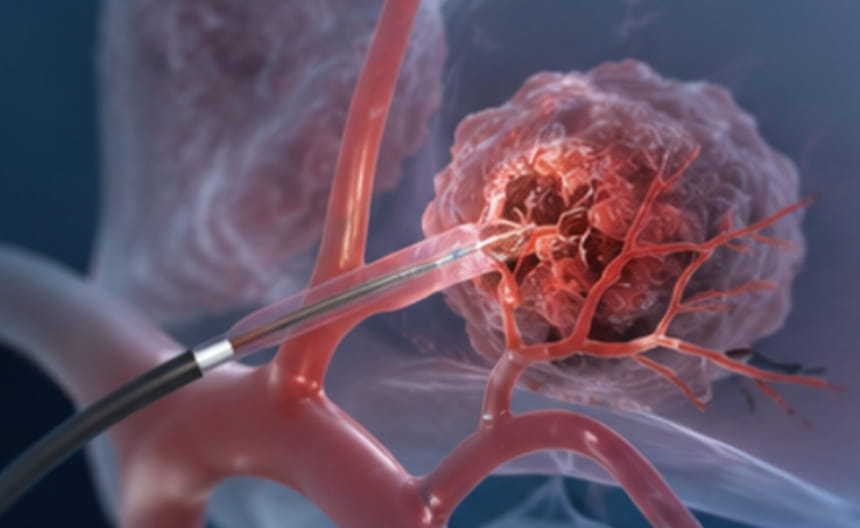
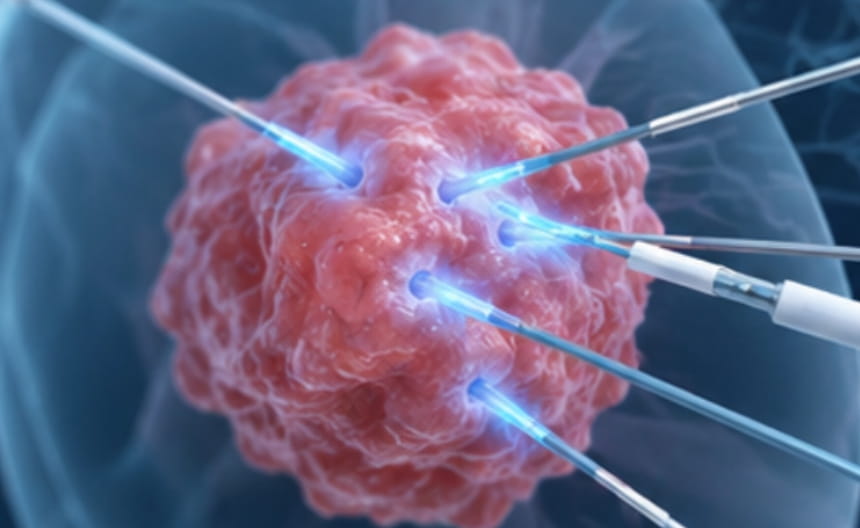
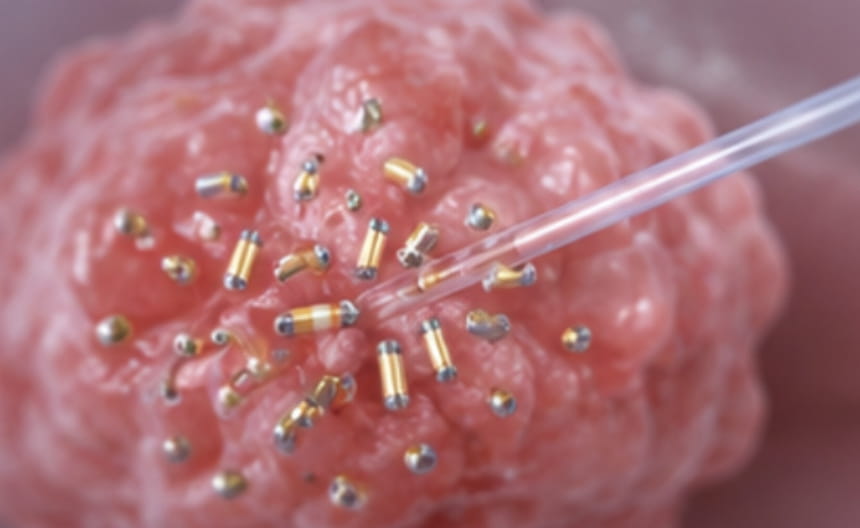
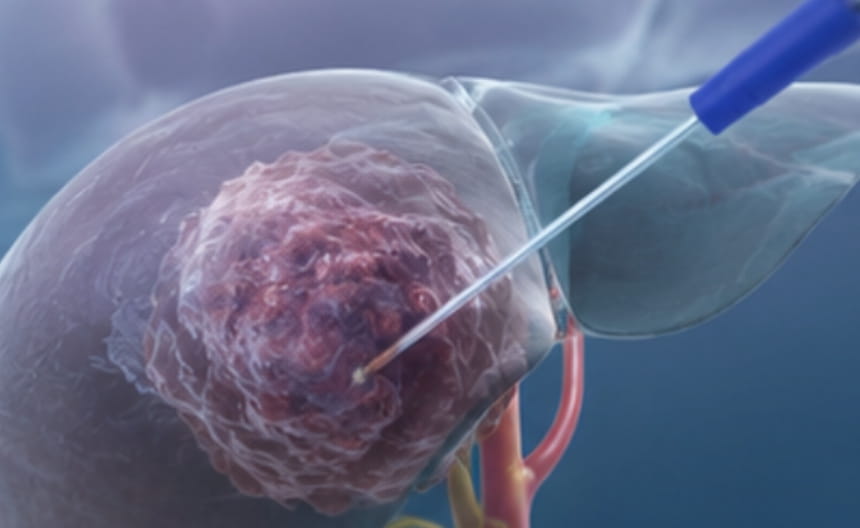
· Minimally invasive therapy: Local ablative techniques such as radiofrequency ablation (RFA) and microwave ablation (MWA) use image guidance to precisely destroy tumors with minimal trauma and rapid recovery and have become important curative treatment options for small liver cancers. Transcatheter arterial chemoembolization (TACE), which simultaneously blocks the tumor blood supply and delivers localized chemotherapy, is a key interventional treatment for intermediate-stage liver cancer. In addition, techniques such as cryoablation, irreversible electroporation (IRE), and radioactive seed implantation provide minimally invasive treatment options for patients with different clinical conditions.
· Chemoradiotherapy: Stereotactic body radiotherapy (SBRT) can achieve high local control rates in patients with localized liver cancer that is inoperable or unsuitable for ablative therapy. Systemic chemotherapy plays a limited role in the treatment of liver cancer and is typically administered in combination with interventional therapies.
· Targeted and immunotherapy: Combination regimens consisting of multi-target tyrosine kinase inhibitors and immune checkpoint inhibitors have become the cornerstone of systemic therapy for advanced liver cancer, and some patients can achieve long-term survival with sustained tumor control. Targeted agents directed against specific genetic alterations are also under active clinical investigation.
· Other treatments: Active antiviral therapy, hepatoprotective and jaundice-relieving treatment, nutritional support, and pain management are essential throughout the course of the disease and play a critical role in improving quality of life.
Combined detection of serum alpha-fetoprotein (AFP) and des-gamma-carboxy prothrombin (PIVKA-II) serves as a fundamental serological marker panel for liver cancer screening and surveillance. Contrast-enhanced CT or MRI demonstrating the characteristic pattern of arterial phase hyperenhancement followed by washout has important diagnostic value. Contrast-enhanced ultrasound can further improve diagnostic accuracy. In cases with atypical imaging findings, liver biopsy may be performed to establish a definitive diagnosis. For high-risk populations, surveillance with ultrasound combined with serological testing every six months is recommended to facilitate the early detection of liver cancer.