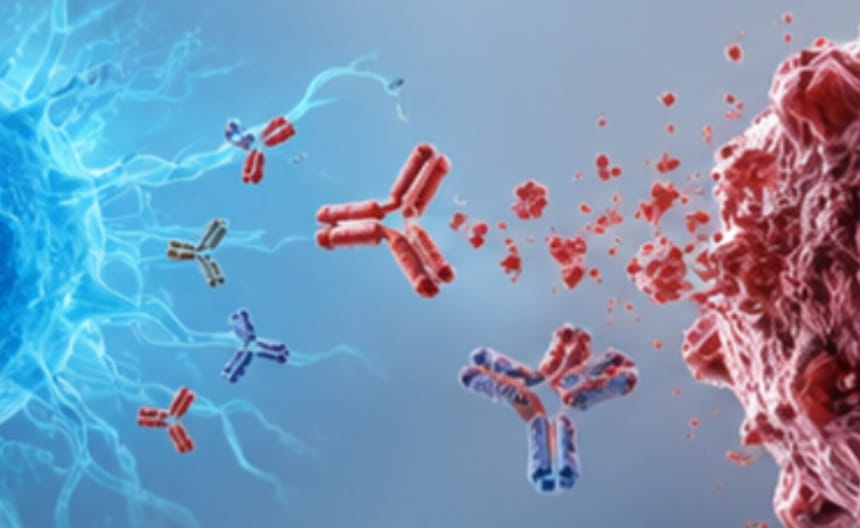
Combination therapy involving chemotherapy, targeted therapy, and immunotherapy is a comprehensive systemic treatment strategy based on tumor molecular subtyping and the characteristics of the immune microenvironment. This approach employs the sequential or concurrent use of cytotoxic agents, molecular targeted drugs, and immune checkpoint inhibitors. Its core concept is multi-mechanism synergy: chemotherapy eradicates rapidly dividing cells and induces immunogenic cell death; targeted therapy precisely blocks driver gene signaling pathways; and immunotherapy reverses immune suppression. Together, these mechanisms maximize anti-tumor efficacy.
Treatment planning, guided by genetic testing, tumor biomarkers, and histopathological classification, follows evidence-based guidelines to ensure individualized decision-making. In combination regimens, chemotherapy reshapes the tumor immune microenvironment to enhance immune responses, targeted therapy rapidly reduces tumor burden and controls progression, and immunotherapy provides durable remission. Comprehensive care also includes proactive surveillance and intervention for adverse events throughout treatment.
· Multi-target synergy to overcome drug resistance:Parallel mechanisms address tumor heterogeneity and delay single-agent resistance.
· Precise stratification for individualized treatment:Patient populations most likely to benefit are identified through biomarker-based stratification, thus minimising ineffective treatment.
· Prolonging survival and transforming cancer into a manageable chronic disease:Transforming advanced malignancies into manageable chronic conditions, with some patients achieving deep remission.
It is widely used across various common solid tumors—including non-small cell lung cancer, hepatocellular carcinoma, esophageal cancer, gastric cancer, colorectal cancer, and breast cancer—in the first-line, adjuvant, and neoadjuvant settings, consistently improving survival and quality of life.