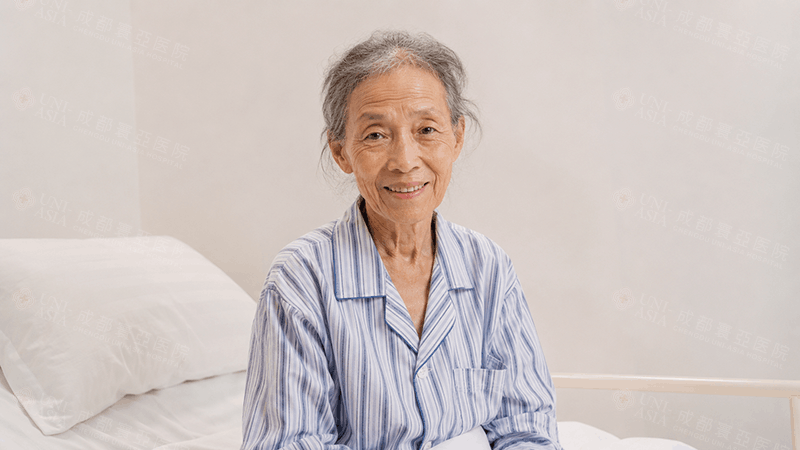
My name is Kalima. I am 68 years old and live in Vietnam. A year ago, because my cough and sputum would not get better, I went to a local hospital for a CT scan. The doctor said there was something growing in my right lung. I then underwent partial resection of my right lung in Hanoi. Before pushing open the door to the operating room, the fear and resistance in my heart almost crushed me. After surgery, the pathology report came back: "small-cell neuroendocrine carcinoma." Those words were like a cold lock, shutting away all my hopes for a peaceful old age.
The days after surgery were extremely difficult. Six rounds of chemotherapy, plus thirty sessions of chest radiotherapy and ten sessions of cranial radiotherapy, left my body feeling as if it had been hollowed out. I kept coughing up white sticky sputum. After just a few steps I would feel exhausted and short of breath, and the old scar on my chest would ache faintly whenever the weather turned cloudy. What made me even more desperate was that a follow-up CT scan showed many small nodules in both lungs, which were considered metastases. My older sister had passed away from a lung tumor years ago, and this news dragged the whole family into despair. The doctor told me that this kind of metastasis could not be treated with surgery. At that moment, I thought there was truly no way forward. Fortunately, my son did not give up. He asked everywhere and learned from an international referral center about Huanya Hospital in Chengdu, China. He was told that leading minimally invasive interventional experts such as Liao Zhengyin, Yi Cheng, and Li Zhiping were gathered there, offering a glimmer of hope for patients like me with recurrent advanced tumors. The news felt like a ray of sunlight suddenly breaking through a gloomy sky.
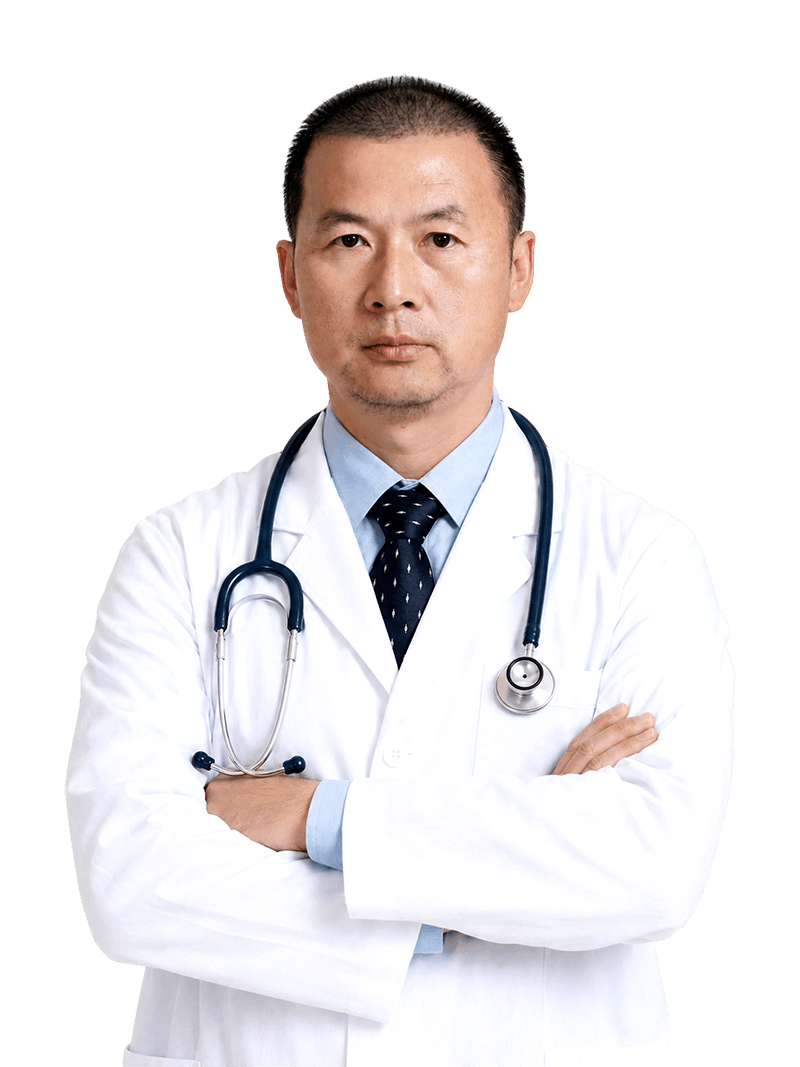
When I first arrived at this hospital, two words summed up my feeling: reassured. As soon as the plane landed, a multilingual coordinator was waiting at the exit with a pickup sign. Communication in Russian was completely smooth, and the coordinator accompanied me all the way through every procedure. The ward was a private room, comfortable and warm, with green trees outside the window in Chengdu's winter. It immediately pulled me out of the loneliness of being far from home. After I settled in, Professor Liao Zhengyin came on ward rounds with Director Wu Chaobo. Professor Liao did not use difficult medical jargon. He pulled up my CT images, pointed to the scattered lesions on the screen, and said, "Sister Kalima, these scattered lung metastases would make systemic chemotherapy too toxic. Now we have a way to use a guidewire to deliver chemotherapy drugs precisely to the metastatic lesions, and then use an embolic agent to block their supply route. It is like closing the door before striking the enemy inside: the bad things in the lungs are attacked while the healthy lung tissue is spared." Director Wu Chaobo also told me that the post-procedure reaction would be much milder than my previous intravenous chemotherapy, and that I did not need to worry about nausea and vomiting. After hearing this, I decided to trust Professor Liao and his team, and to make this effort together with them.
The treatment process was much easier than I had imagined. That day, I walked into the operating room by myself. Only local anesthesia was applied at the root of my thigh, and I remained fully awake. Professor Liao and Director Wu worked with great gentleness; I could barely feel the catheter moving inside my body. In less than an hour, the procedure was over. After returning to the ward, apart from lying flat for several hours to compress the puncture site, none of the overwhelming nausea or severe pain I had experienced after chemotherapy appeared. The nursing team was extremely thoughtful. Because my appetite was poor, they worked with the nutritionist to prepare soft, easy-to-eat meals in different ways. Nurses regularly taught me ankle pump exercises to prevent blood clots and chatted with me using translation software. That attentive warmth gave the foreign ward the feeling of home.
The recovery after the minimally invasive procedure was so fast that even an old woman like me was surprised. On the second day after the procedure, I got out of bed and walked with the caregiver's support. By the third day, my cough and chest tightness had clearly eased. I had thought I would have to lie in the hospital for ten days or half a month, but after only a few days the doctor told me that my condition had improved and that I could be discharged to recover at home. The day I walked out of the hospital, Chengdu's winter sunshine was warm and gentle. I took a deep breath - it had been a long time since I had breathed so smoothly. The self who had been tortured by chemoradiotherapy and was afraid to go outside finally regained the everyday life of walking downstairs and smiling while looking at photos of my grandchildren.
Finally, I want to say sincerely: to every angel at Huanya, thank you. You did not only use minimally invasive technology to protect my lungs; with your compassionate hearts, you helped this elderly woman from another country regain the dignity of living with grace.
- Narrated by Kalima, upon recovery and discharge in Chengdu
This case is based on a real patient experience. Privacy details have been processed, and it should not be taken as a treatment promise.