Colon cancer is a malignant tumor originating from the epithelial lining of the colonic mucosa, with the vast majority being adenocarcinomas. Its development generally follows the “adenoma–carcinoma sequence,” in which progression from a small polyp to invasive cancer usually takes 5–10 years. This characteristic allows colonoscopic screening and polypectomy to directly interrupt the carcinogenic process, thereby substantially reducing both incidence and mortality. In recent years, the incidence of early-onset colon cancer in individuals younger than 50 years has been increasing worldwide, highlighting the importance of lifestyle intervention and age-appropriate early screening. Advances in molecular classification and immunotherapy have also provided improved survival benefits for patients with advanced colorectal cancer.
· Excessive consumption of red meat and processed meat, as well as a high-fat and low-fiber diet
· Overweight or obesity and lack of physical activity
· Smoking and heavy alcohol consumption
· Background of inflammatory bowel disease, including Ulcerative Colitis and Crohn's Disease
· Personal history of colorectal adenomas or colorectal cancer
· Hereditary syndromes such as Lynch Syndrome and Familial Adenomatous Polyposis
· Type 2 Diabetes
Approximately 85% of colon cancer cases develop through the “adenoma–carcinoma sequence,” characterized by the stepwise accumulation of genetic alterations, including APC, KRAS, and TP53 mutations, together with chromosomal instability. Approximately 15% of cases arise through the microsatellite instability pathway, resulting either from MLH1 promoter hypermethylation leading to gene silencing or from germline mutations in mismatch repair genes, the latter being the hallmark of Lynch syndrome. The serrated pathway is characterized by BRAF mutations and CpG island methylation. Colitis-associated colorectal carcinogenesis progresses through an “inflammation–dysplasia–carcinoma” sequence, with pancolitis conferring a particularly high risk.
The clinical manifestations of Colon Cancer vary according to tumor location. Right-sided colon cancer commonly presents with occult gastrointestinal bleeding leading to iron-deficiency anemia, vague right-sided abdominal pain, or a palpable abdominal mass. In contrast, left-sided colon cancer is more likely to cause alterations in bowel habits because of the relatively narrower lumen of the left colon. Common manifestations include alternating diarrhea and constipation, decreased stool caliber, hematochezia or bloody mucoid stool, and symptoms of bowel obstruction. Advanced disease may present with weight loss, fatigue, abdominal distension, and ascites. Rectal cancer may additionally be associated with tenesmus and a sensation of incomplete evacuation.
· Surgery: Early-stage colon cancer or high-risk adenomas may be completely removed endoscopically during colonoscopy. Resectable colon cancer is treated with either laparoscopic or open radical colectomy, with the resection encompassing the involved bowel segment and the corresponding regional lymph nodes. Neoadjuvant chemoradiotherapy is commonly employed for locally advanced rectal cancer, whereas colon cancer is more often managed with upfront surgical resection.
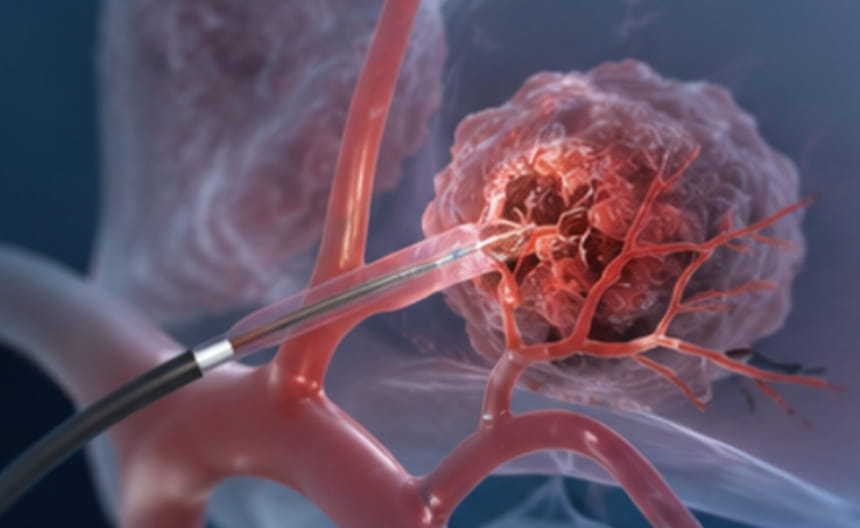
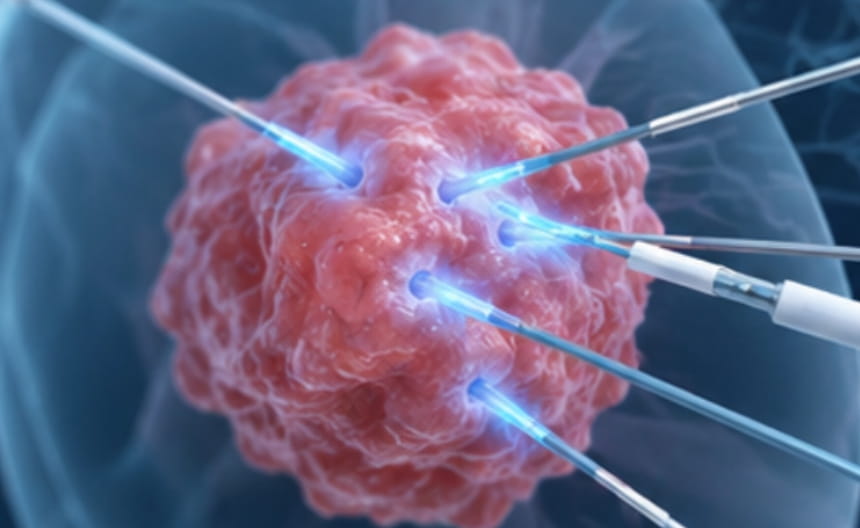
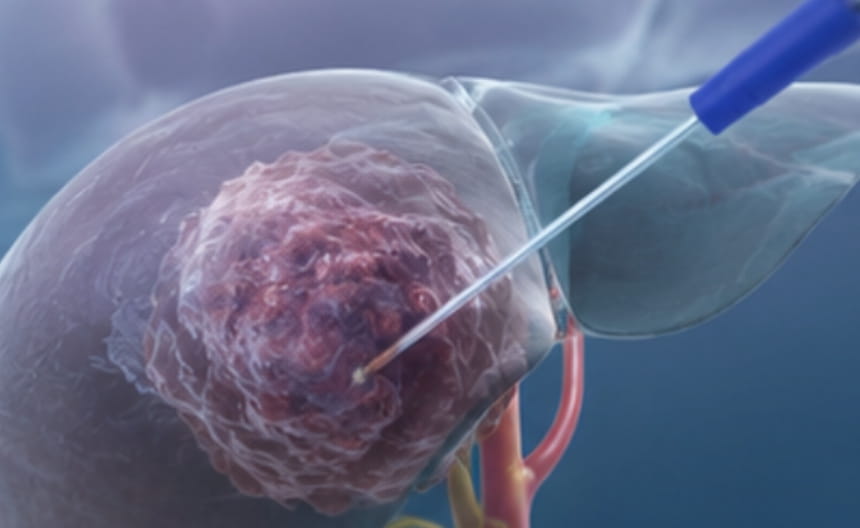
· Minimally Invasive Therapy: Endoscopic mucosal resection (EMR) and endoscopic submucosal dissection (ESD) can achieve en bloc resection of early-stage colon cancer, thereby avoiding the need for open surgery. For patients presenting with malignant bowel obstruction, a self-expanding metal stent (SEMS) may be placed endoscopically as a bridge to elective surgery. Oligometastatic lesions, particularly liver metastases, may be treated with curative intent using local ablative techniques such as radiofrequency ablation, microwave ablation, or cryoablation. For patients with diffuse hepatic metastases, interventional therapies including hepatic arterial infusion chemotherapy (HAIC) and microsphere radioembolization may be employed for disease control.
· Chemoradiotherapy: Postoperative adjuvant chemotherapy is the standard of care for patients with stage III and high-risk stage II colon cancer. Radiotherapy is primarily used as neoadjuvant or adjuvant treatment for rectal cancer and may also be employed palliatively for the management of local recurrence or bone metastases.
· Targeted and immunotherapy: Anti-EGFR targeted therapies for patients with wild-type RAS and BRAF genes, as well as anti-angiogenic agents, have been widely used in the treatment of metastatic colorectal cancer. Patients with high microsatellite instability (MSI-H) or mismatch repair deficiency (dMMR) are excellent candidates for immune checkpoint inhibitors, which have demonstrated remarkable efficacy in both early-stage and advanced disease settings.
· Other Treatments: Postoperative monitoring of serum carcinoembryonic antigen (CEA) levels and regular colonoscopic follow-up facilitate the early detection of tumor recurrence. Individuals from high-risk families with hereditary cancer syndromes should undergo genetic counseling and testing and adopt intensified surveillance strategies or preventive interventions when appropriate.
Total colonoscopy with biopsy remains the gold standard for colorectal cancer diagnosis, allowing for simultaneous tissue diagnosis and polypectomy when appropriate. Fecal immunochemical testing (FIT) and multi-target stool DNA testing are suitable primary screening modalities for average-risk populations. Pathological specimens should be evaluated for RAS and BRAF gene mutations, as well as microsatellite instability (MSI) and mismatch repair (MMR) status, to guide precision and individualized therapy. Contrast-enhanced computed tomography (CT) of the abdomen and pelvis is routinely used to assess distant metastases, while serum carcinoembryonic antigen (CEA) levels are commonly employed for treatment response evaluation and postoperative surveillance.