UNI-ASIA Logo WATA Logo

Real-Life Minimally Invasive Cancer Treatment Cases and Patient Stories

More Disease Types
Professor Zhu
Liver Cancer
Professor Zhu
China
70 years old, retired professor from the University of Geosciences, with a 35-year history of hepatitis B. In May 2025, he was diagnosed with a massive hepatocellular carcinoma in the left lobe of the liver, measuring 12 cm in diameter, accompanied by ascites, moderate anemia, and severe liver dysfunction. After being transferred to Chengdu UNI-ASIA Hospital, Professor Liao Zhengyin’s team performed hepatic arterial angiography with infusion and embolization therapy in two sessions. Two months later, follow-up examination showed that the tumor had shrunk to 6 cm, the ascites had significantly subsided, and liver function had markedly recovered. He has now returned to normal life.
Nurul Safitri
Nasopharyngeal Cancer
Nurul Safitri
Indonesia
An Indonesian patient was diagnosed with squamous cell carcinoma of the hypopharynx. Due to fear of open surgery leading to loss of voice and swallowing disorders, the patient refused surgical treatment. After being referred to Uni-Asia Cancer Hospital, transarterial chemoembolization (TACE) of the tumor-supplying arteries was performed. The day after the procedure, laryngeal swelling subsided and vocalization became clear. On the fifth day, the patient was successfully discharged with swallowing function fully restored. Subsequent local radiotherapy was administered as consolidation therapy. The patient has now returned to normal life.
Wang Xiulan
Liver Cancer
Wang Xiulan
China
Chinese female patient, 41 years old, with a solitary large mass of hepatocellular carcinoma in the right lobe of the liver. The tumor compressed the bile duct, causing severe jaundice. Due to the tumor's large size and unfavorable location, surgical resection was not possible. The patient had previously undergone radiotherapy and chemotherapy at another hospital, but with poor response and severe toxic side effects, including nausea, vomiting, and bone marrow suppression, making further treatment impossible. A multidisciplinary team (MDT) at Chengdu Uni-Asia Cancer Hospital conducted a consultation and performed two sessions of hepatic arterial interventional therapy after the referral. The patient recovered rapidly post-surgery, jaundice subsided, and pre- and post-treatment CT comparisons showed tumor volume reduced by over 70% with loss of viability. The patient has regained the ability to live independently and returned to her daily family life.
Teacher Tang
Gastric cancer
Teacher Tang
China
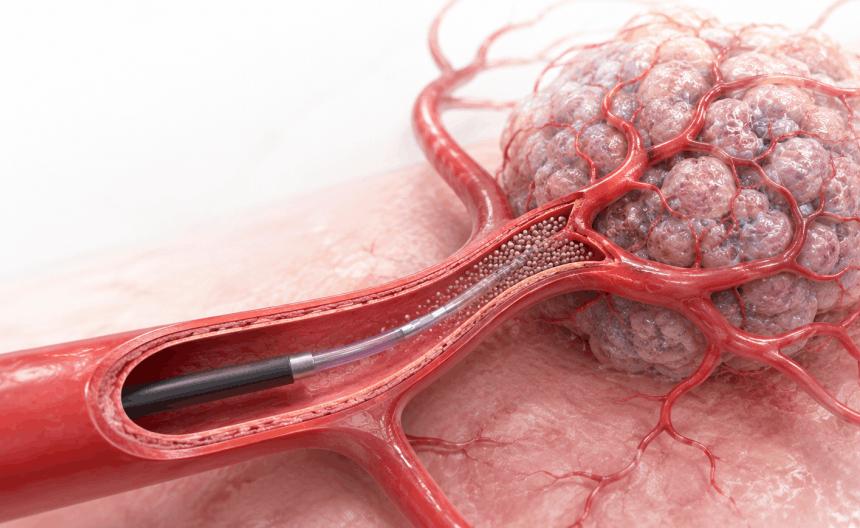
A Chinese patient was diagnosed with gastric adenocarcinoma with lymph node and adrenal metastases. After radiotherapy and chemotherapy, she developed a severe rash and rapid weight loss, and her body could no longer tolerate the treatment. After coming to Chengdu UNI-ASIA Cancer Hospital, Professor Liao Zhengyin's team performed gastric tumor arterial infusion chemotherapy and embolization, delivering medication precisely through a minimally invasive puncture at the groin. The day after the procedure, she was able to get out of bed and move around. Her spirits improved significantly, she was discharged smoothly, and she returned to a peaceful life in her later years.
Grandma Jia
Liver Cancer
Grandma Jia
China
Chinese national, 78-year-old female, diagnosed with hilar cholangiocarcinoma presenting with systemic jaundice. After undergoing PTCD drainage at an outside hospital, her jaundice temporarily improved. However, due to the tumor's challenging location and her advanced age, surgery, radiotherapy, and chemotherapy were not feasible. After referral to Chengdu Uni-Asia Cancer Hospital, a multidisciplinary team developed an individualized interventional plan, and she underwent two sessions of transarterial chemoembolization (TACE). Post-treatment, the tumor significantly shrank, bile drainage was restored, her stool color returned from clay-white to normal yellow, her appetite recovered, her mental status markedly improved, the drainage tube was removed, and she returned to a peaceful, later-life routine.
Zhao Guodong
Colorectal Cancer
Zhao Guodong
China
Chinese patient, 58-year-old male, diagnosed with colon cancer in late 2025 due to right upper abdominal pain, with multiple metastases to the liver and both lungs, as well as enlarged abdominal lymph nodes. Already at an advanced stage with no surgical options. Underwent multiple rounds of radiotherapy and chemotherapy at other hospitals but could not tolerate the severe side effects. The patient was extremely weak and mentally exhausted. After extensive research, he was admitted to Chengdu Uni-Asia Cancer Hospital, where a multidisciplinary expert team conducted an MDT consultation and developed a personalized minimally invasive tumor treatment plan. After four interventional procedures, follow-up imaging showed significant shrinkage of liver and lung metastases, with most lesions essentially disappearing. Tumor markers returned to the normal range. The patient regained physical strength; appetite and sleep improved significantly, and he has returned to normal family life.
Nguyen Thi Mai
Gastric cancer
Nguyen Thi Mai
Vietnam
Vietnamese patient, 59-year-old female. Since August 2025, she has experienced progressive dysphagia, intractable hiccups, and abdominal distension, accompanied by rapid weight loss. She was diagnosed at a local hospital with a malignant tumor at the esophagogastric junction, at an intermediate-to-advanced stage. Due to the extensive nature of the tumor, compounded by severe malnutrition (weighing only 45 kg, a loss of 20 kg from baseline), local evaluation deemed her unable to tolerate surgery, radiotherapy, or conventional chemotherapy—the prognosis was extremely grim. In May 2026, the patient traveled to Chengdu Huanya Hospital in China and was consulted by Professor Liao Zhengyin from the Interventional Treatment Center. Following a comprehensive re-evaluation, a minimally invasive transarterial infusion chemoembolization procedure was planned. A thin catheter was precisely delivered through a needle-sized puncture at the groin to the tumor-feeding artery, delivering high-concentration chemotherapy and embolizing the vessel, combined with immunotherapy—achieving a dual "poison and starve" attack on the tumor with minimal systemic side effects. Treatment was administered once monthly, with the patient able to ambulate on the same day and without vomiting, hair loss, or other traditional chemotherapy side effects. After four treatment sessions, the patient's dysphagia and abdominal distension completely resolved; her weight rebounded from 45 kg to 55 kg (a gain of 10 kg); tumor markers returned to the normal range; imaging assessment achieved partial response (PR); and her quality of life improved significantly.
Lin Yue
Lung Cancer
Lin Yue
China
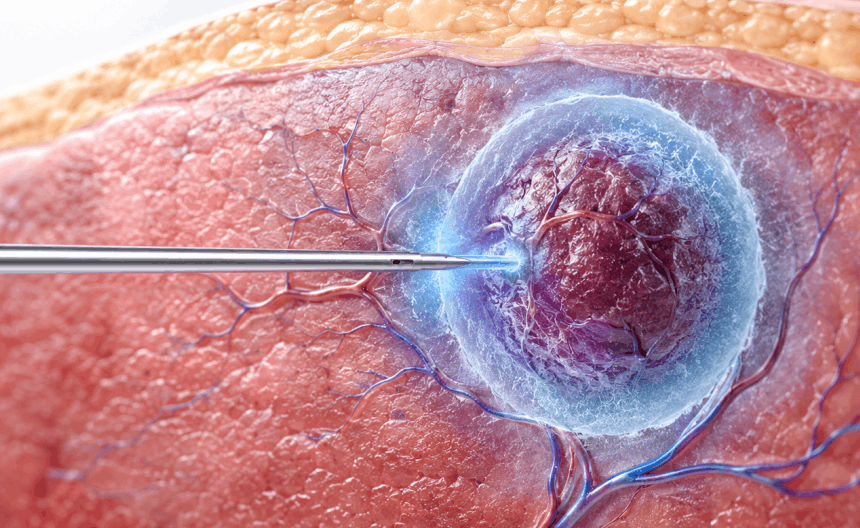
A young Chinese female patient, after lung cancer resection, was found to have a solitary metastatic lesion in the caudate lobe of the liver. Due to its deep location and close proximity to major blood vessels, surgical resection was deemed impossible by surgeons. Subsequent radiotherapy, chemotherapy, targeted therapy, and immunotherapy all failed, with the disease continuing to progress. The patient developed severe liver-area pain, her quality of life plummeted, and she was on the verge of emotional collapse. After numerous failed consultations elsewhere, she was admitted to Chengdu Uni-Asia Cancer Hospital, where a multidisciplinary team of experts, after thorough evaluation, decided to perform a high-difficulty multi-needle cryoablation procedure. Post-operatively, the ice ball perfectly covered the tumor with no intraoperative bleeding or bile leakage, and her liver pain was significantly relieved. Follow-up imaging showed complete tumor necrosis, and the patient has returned to normal life.
Zhang Guangshun
Lung Cancer
Zhang Guangshun
China
A 60-year-old male patient from China presented with persistent chest and back pain. Imaging revealed a tumor in the posterior mediastinum adjacent to the descending thoracic aorta. Due to the high surgical risk, the tumor was considered unresectable, while radiotherapy and chemotherapy were ineffective and poorly tolerated. After arriving at UNI-ASIA Cancer Hospital in Chengdu, he underwent CT-guided percutaneous cryoablation under local anesthesia. The tumor was completely covered by the ice ball without injury to the nearby aorta or other complications. His pain was relieved immediately after treatment, follow-up imaging confirmed complete tumor necrosis, and he has since returned to normal daily life.
Ge Sang
Liver Cancer
Ge Sang
China
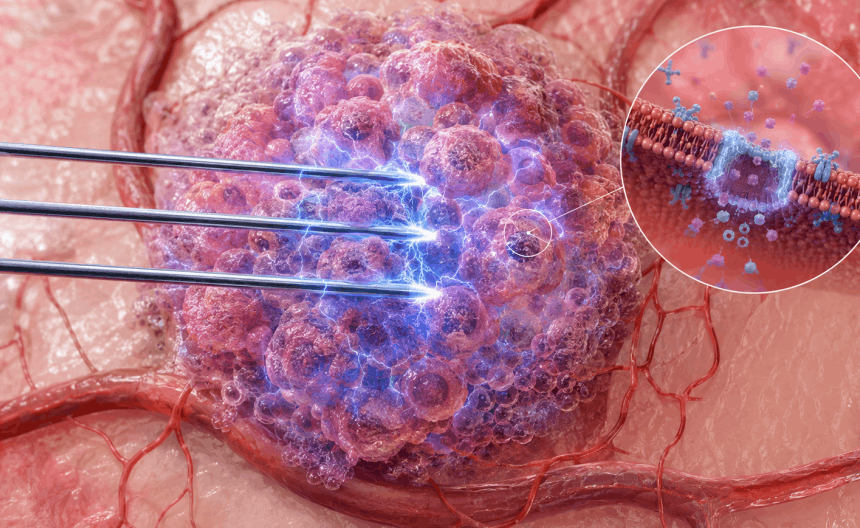
A 62-year-old male Tibetan patient from China was diagnosed with liver cancer in May 2024 after presenting with hematemesis. He underwent six interventional treatments at multiple hospitals, but the results were unsatisfactory and the disease recurred repeatedly. He was later placed on oral lenvatinib targeted therapy, during which he developed complications including gastrointestinal bleeding and hepatic encephalopathy. In May 2025, follow-up imaging revealed intrahepatic recurrence and lymph node metastases. The tumor was closely adhered to the gastric wall, with AFP levels exceeding 1210 ng/ml, and the disease continued to progress. Due to severe thrombocytopenia, surgery was not an option. After being referred to Chengdu Uni-Asia Hospital, a multidisciplinary team evaluated his case and decided to perform the first Vinna Knife (NanoKnife) ablation for liver cancer in Southwest China. Preoperative platelet-boosting therapy was administered. The procedure was performed by Professor Liao Zhengyin under local anesthesia combined with intravenous sedation and was completed successfully with precise ablation coverage of the lesion while effectively protecting the adjacent gastric wall. Intraoperative blood loss was only 5 ml, with no severe complications. Postoperatively, the patient recovered well, AFP levels dropped significantly, and the lymph node metastases stabilized. He continues to receive regular immunotherapy and has experienced a marked improvement in quality of life.
Wang Dehou
Lung Cancer
Wang Dehou
China
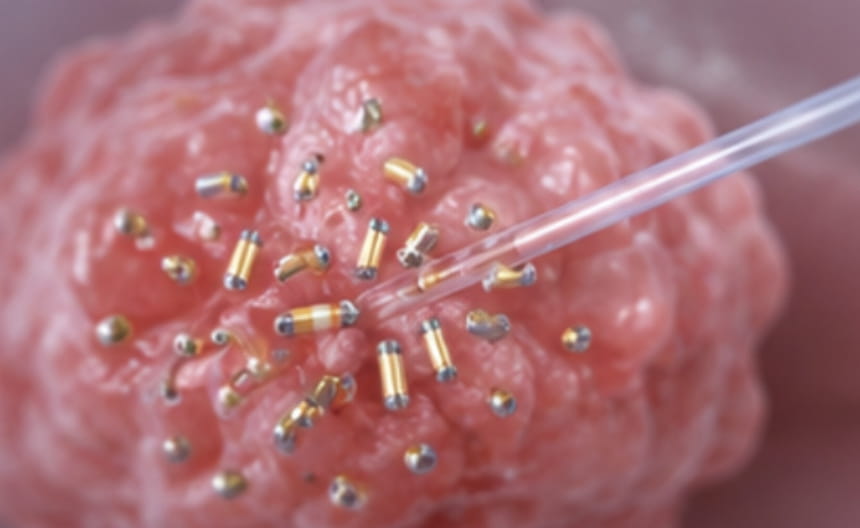
An elderly Chinese patient diagnosed with locally advanced mediastinal squamous cell lung cancer complicated by severe emphysema, severely limited in daily activities due to breathlessness. The tumor had invaded the second and third thoracic vertebrae and the esophagus, causing severe pain. The patient was turned away by multiple hospitals due to inability to tolerate surgery or systemic chemotherapy. After being referred to Chengdu Uni-Asia Hospital, a multidisciplinary team including Professor Liao Zhengyin, Professor Xiao Yueyong, Professor Yi Cheng, and Professor Hu Xiaokun conducted repeated evaluations and developed a precise staged comprehensive interventional treatment plan: first, vertebroplasty to stabilize the spine and relieve pain; second, chemoembolization to control the tumor; and finally, radioactive seed implantation to consolidate the results. The entire treatment process avoided targeted therapy, immunotherapy, and systemic chemotherapy, fully protecting the patient's fragile cardiopulmonary function with no severe side effects. On the third day after the procedure, pain symptoms miraculously disappeared. After more than two years of regular follow-up, PET-CT showed the tumor had completely lost viability, and the patient has returned to normal life. This case demonstrates the new hope that comprehensive interventional therapy can bring for complex and refractory tumors.
Bao Bing
Liver Cancer
Bao Bing
China
A 38-year-old female patient from China underwent tumor resection for lung cancer. During follow-up, an isolated metastasis was discovered in the caudate lobe of the liver. This deeply seated location, tightly adjacent to major blood vessels, was deemed unresectable by surgical evaluation. Subsequent chemotherapy, radiotherapy, and immunotherapy failed to control the disease, and the tumor continued to progress. The patient experienced severe pain, intractable nausea and vomiting, severely limited food intake, and a drastic decline in quality of life. At the point of near desperation, the patient was transferred to Chengdu Uni-Asia Hospital. A multidisciplinary team including Professors Liao Zhengyin, Zhang Jinshan, Xiao Yueyong and others conducted a comprehensive reassessment and decided to perform CT-guided multi-needle cryoablation. During the procedure, the ice ball perfectly covered the lesion without bleeding or complications. Two weeks post-surgery, MRI confirmed complete tumor necrosis. Pain was significantly relieved, nausea and vomiting disappeared, appetite returned, and life gradually normalized. This case fully demonstrates the unique value of minimally invasive interventional techniques in managing refractory tumors in difficult locations.
MDT Team
Bringing together senior experts in China's precision minimally invasive cancer treatment field to provide you with world-leading minimally invasive cancer treatment services.
More Cancer Experts
Treatment Technologies
Providing targeted, world-class precision treatment solutions for patients worldwide.
More Treatments

Consultation

Name
Age
Phone Number
Email
Your Question

Submitted Successfully

We have received your consultation. Thank you for your trust. A specialist will contact you within 72 hours, so please keep an eye on your phone calls and email.

Book Appt. WhatsApp
Call Us