
Bai Xing | Oncology Expert in Precision Minimally Invasive Cancer Treatment in China
- Doctors
- Bai Xing
(1)The title of "Outstanding Science and Technology Worker of Henan Province" is a significant provincial-level honor in the field of science and technology in Henan. It is conferred upon outstanding scientific and technological professionals who have made remarkable achievements in research breakthroughs, technological innovation, achievement commercialization, and science and technology services. Experts who receive this title have earned authoritative recognition at the provincial level for their professional competence and contributions to their field. They are regarded as core scientific and technological backbones in their respective disciplines within Henan Province, possessing both solid expertise and substantial industry influence.
(2)A prestigious recognition of outstanding professional and technical expertise, reserved for core talents with exceptional skills and proven performance in their field.
(3)Awarded to Party members who demonstrate excellence in political quality, professional skills, work performance, and public reputation, serving as exemplary role models.
Three Decades of Minimally Invasive Ablation to Rekindle Hope for Life, Building a Solid Academic Foundation Through Broad Medical Knowledge
- Dialogue with Dr. Bai Xing, Associate Director of Ward I, Chengdu Uni-Asia Cancer Hospital
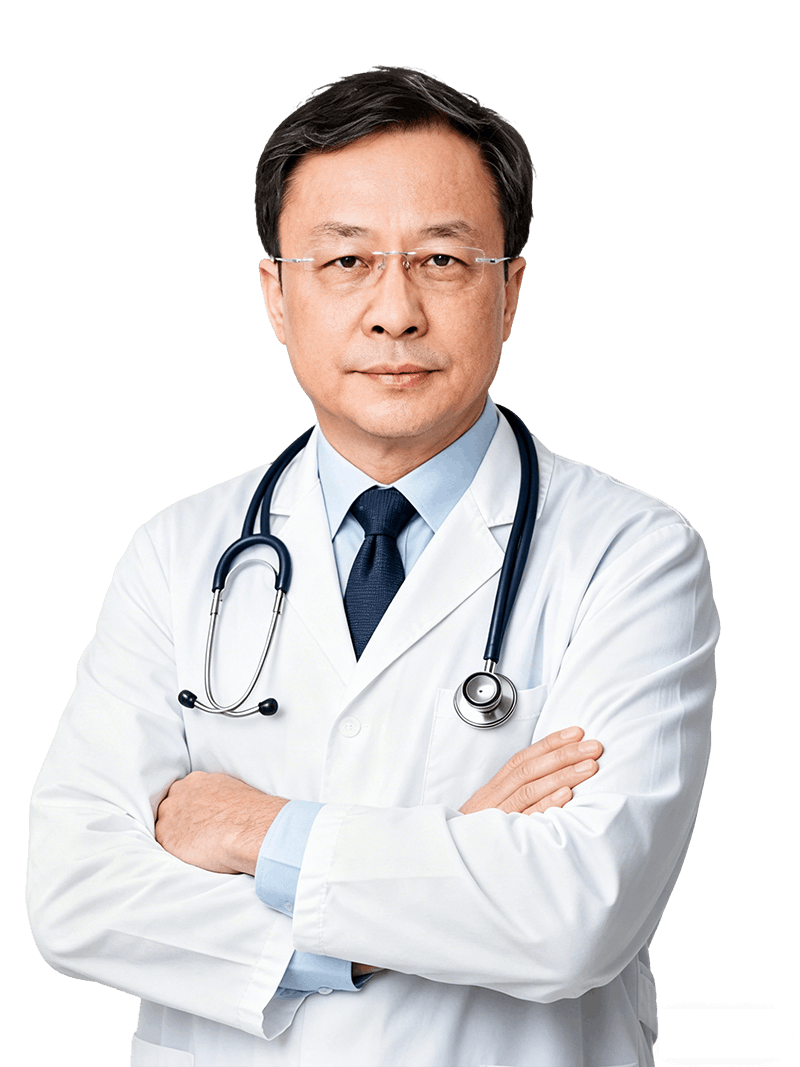
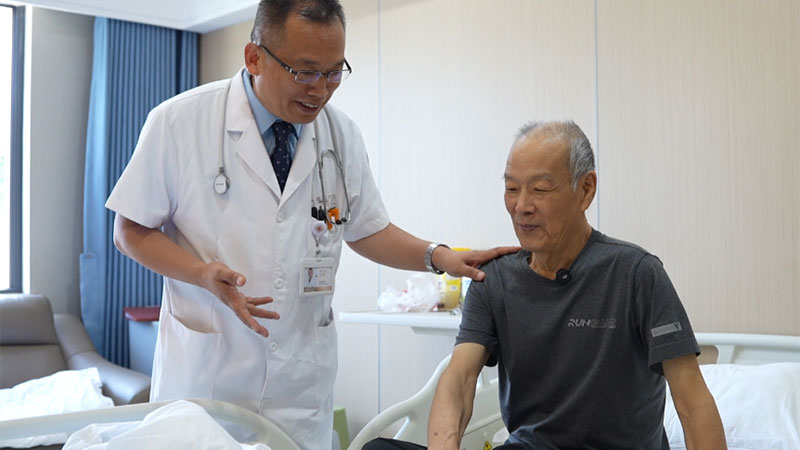
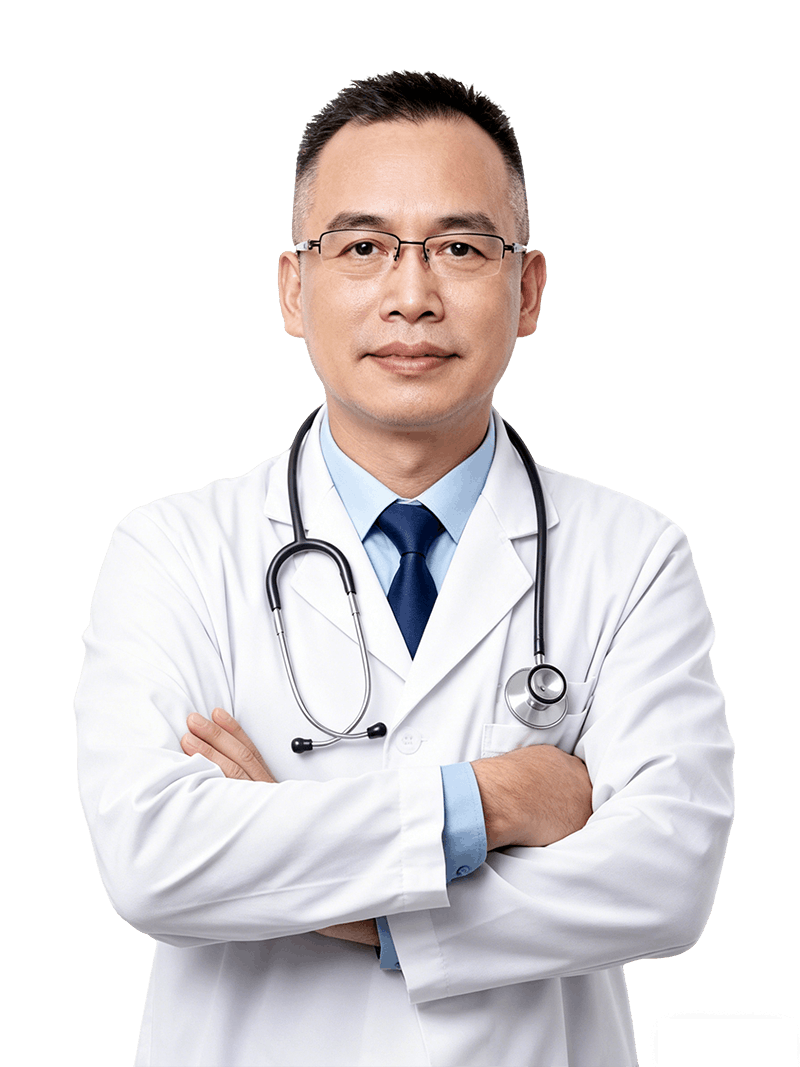
At the forefront of minimally invasive oncology treatment, there is a physician who takes standardized treatment as the foundation and minimally invasive technology as a precise instrument, bringing sparks of hope to every patient living under the shadow of cancer. He is Bai Xing, Associate Chief Physician in the Minimally Invasive Interventional Department of Chengdu Hygeia Hospital and a senior expert in the field of minimally invasive oncology intervention.
Thirty Years of Teaching, Mentoring, and Clinical Practice
Dr. Bai Xing has devoted thirty years to oncology and minimally invasive clinical practice, with a solid theoretical foundation and extensive clinical experience. He taught at Henan University of Science and Technology for eleven years, training a large number of outstanding medical professionals and developing a rigorous, scholarly teaching style. He later returned to the clinical front line and served as Director of an Oncology Center at a Grade III Class A hospital. In addition to his busy clinical work, he continued to conduct regular specialist training sessions, helping primary hospitals strengthen their disciplinary capacity, leading teams through technical challenges, and advancing both academic standards and clinical capabilities.
During his tenure as Director of the Oncology Center at a Grade III Class A hospital, Dr. Bai demonstrated exceptional ability in disciplinary development. In 2007, he led the establishment of a national-level painless ward, taking the lead in integrating standardized pain management throughout the entire oncology care process and significantly improving patients' treatment experience and quality of life. In 2017, he successfully built a national-level multidisciplinary oncology team, integrating resources from medical oncology, surgery, radiotherapy, imaging, and other disciplines to provide patients with whole-cycle comprehensive treatment and individualized plans from diagnosis to rehabilitation. Under his leadership, the department was eventually recognized as a provincial key specialty, with comprehensive strength ranking among the regional leaders. It also played an important role in improving the overall level of regional minimally invasive oncology treatment.
A Versatile Clinician Drawing on Diverse Strengths and a Technical Pioneer in Minimally Invasive Oncology
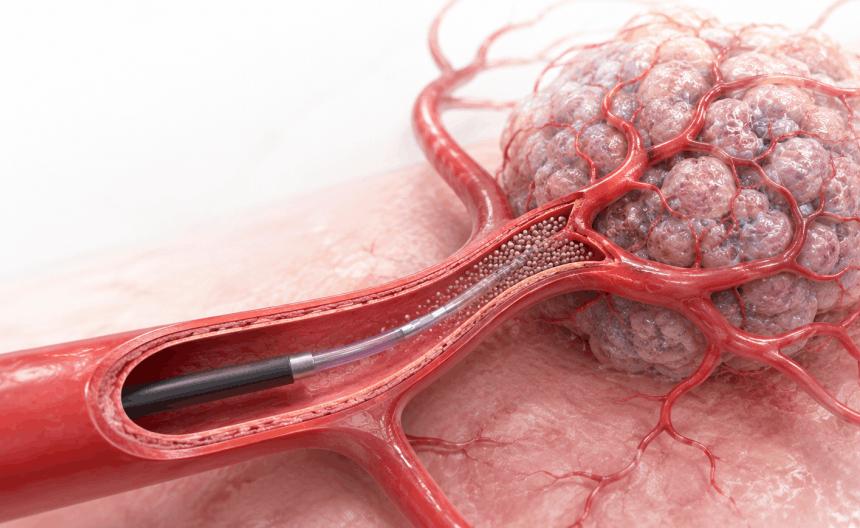
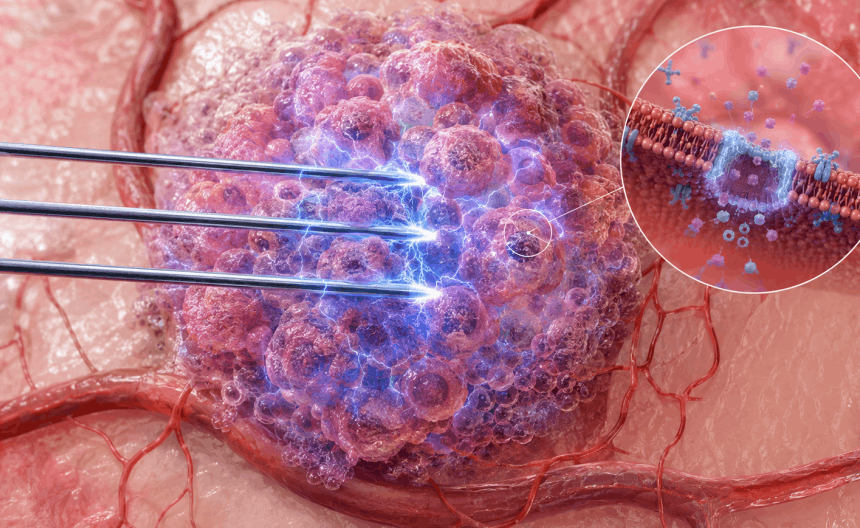
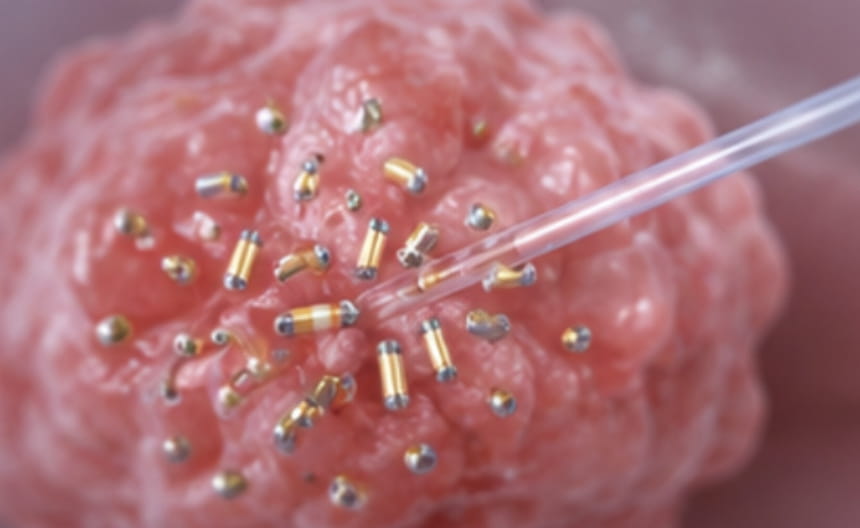
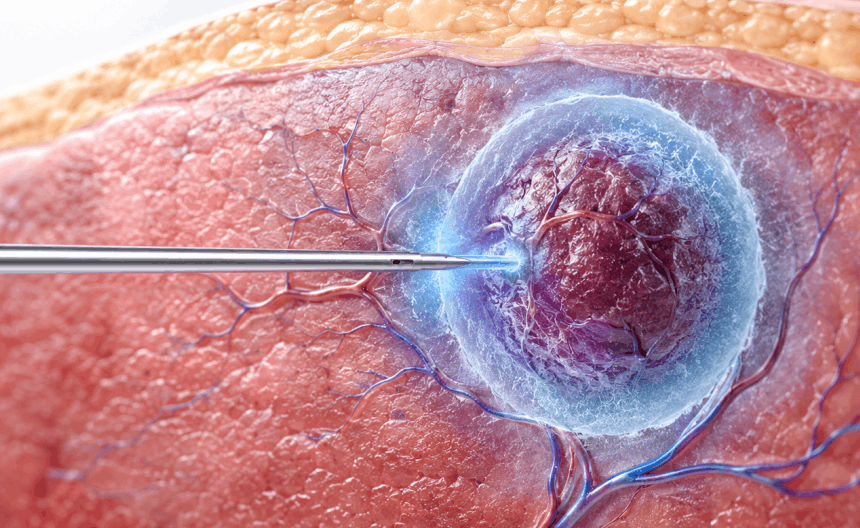
In the field of minimally invasive oncology intervention, Dr. Bai has a comprehensive command of standardized oncology diagnosis and treatment as well as the essence of precision oncology. He is proficient in the full range of advanced techniques for minimally invasive tumor puncture diagnosis and treatment. His technical matrix includes mainstream minimally invasive methods such as microwave ablation, radiofrequency ablation, argon-helium cryoablation, I125 radioactive seed implantation, interventional infusion embolization, and hyperthermia. He is able to flexibly select the optimal treatment strategy according to each patient's tumor type, stage, physical condition, and other individual characteristics.
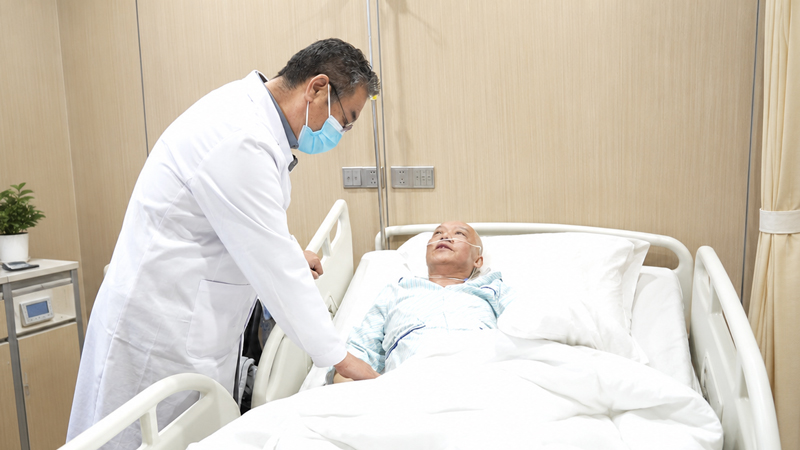
As a technical backbone of the department, Dr. Bai once successfully performed esophageal balloon dilation plus stent implantation to reconstruct the eating passage for a patient in his nineties who had been unable to eat for three months, helping the patient regain hope after prolonged inability to take food. In line with his previous clinical experience, the minimally invasive interventional procedures he performs for elderly tumor patients consistently follow the principles of minimal trauma, strong efficacy, and rapid recovery. His goal is to preserve physical function to the greatest possible extent while achieving precise tumor control. At the end of 2018, when facing a patient with postoperative recurrent ovarian cancer who had sought treatment in many places, Dr. Bai carefully analyzed the condition and adopted precise CT-guided pelvic tumor infusion chemotherapy and sclerotherapy, providing a more individualized treatment option for this difficult advanced case.
His mastery of minimally invasive oncology intervention has allowed countless tumor patients who were considered to have lost the opportunity for conventional surgery to achieve curative treatment or long-term remission.
Advancing Through Research for the Country, Upholding the Original Aspiration Through Standardized Care
Beyond his demanding clinical and teaching responsibilities, Dr. Bai has never forgotten the mission of scientific research and innovation. Over thirty years of clinical work, he has published more than ten papers and holds one national invention patent. He is an Outstanding Science and Technology Worker of Henan Province, a Technical Elite, a Four-Excellence Party Member, a practical contributor in China's minimally invasive interventional medicine field, and an oncology interventional physician who writes his original aspiration and sense of responsibility at the very front line of clinical practice.
Academic Achievements of Dr. Bai Xing
In addition to his clinical and teaching work, Dr. Bai Xing has continuously participated in academic research on minimally invasive oncology treatment and comprehensive oncology care. He has published more than ten national- and provincial-level academic papers. His research mainly focuses on the expression and clinical significance of tumor markers in malignant tumors, chemotherapy and targeted therapy for gastrointestinal tumors, and basic research and mechanistic exploration of anti-tumor drugs.
I. Selected Publications by Dr. Bai Xing
1. Bai Xing, Chen Li. Follow-up Study of CT and MRI Imaging Changes in Patients with Nasopharyngeal Carcinoma Treated with ~(125)I Seed Implantation. Chinese Journal of CT and MRI, 2016, (06): 19-21+63.
Dr. Bai Xing was the first author. Objective: To investigate the efficacy of ~(125)I seed implantation in patients with nasopharyngeal carcinoma and the application value of CT and MRI in post-treatment follow-up. Methods: Fifty-seven patients with nasopharyngeal carcinoma admitted to the hospital from January 2011 to December 2014 were included as study subjects. All patients received ~(125)I seed implantation after radiotherapy. CT and MR examinations were performed before treatment and during follow-up to clarify CT and MRI imaging changes after ~(125)I seed implantation. Results: Among the 57 patients, 12 achieved CR, 28 achieved PR, 9 had SD, and 8 had PD; the overall response rate was 70.2% (40/57). After treatment, ESR decreased significantly compared with before treatment, and the difference was statistically significant (P0.05). CT findings before and after treatment: before ~(125)I seed implantation, the nasopharyngeal cavity showed morphological changes and left-right asymmetry, with thickening of nasopharyngeal soft tissue or mass formation; lesions were mostly nodular, thick-slice/block-like, or mass-like hypermetabolic lesions. After treatment, the morphology of the nasopharyngeal cavity recovered, and soft-tissue thickening or masses disappeared. MRI findings before and after treatment: before ~(125)I seed implantation, the main manifestations were mixed signals and edema in the nasopharynx, with equal or long T1 and slightly long T2 abnormal signal nodules or masses, showing obvious enhancement after fat-suppressed contrast enhancement. After treatment, fibrosis was the main feature and could be accompanied by edema. Conclusion: CT-guided ~(125)I seed implantation after radiotherapy has good efficacy in nasopharyngeal carcinoma. CT and MRI follow-up after treatment can detect lesion changes in a timely manner and is of great significance for prognostic monitoring.
2. Zhu Bing, Bai Xing, Li Jinyan, Yang Yuhua, Ren Xinle. Observation of the Efficacy of S-1 Combined with Oxaliplatin as Neoadjuvant Chemotherapy for Gastric Cancer. Modern Journal of Integrated Traditional Chinese and Western Medicine, 2016.
Dr. Bai Xing was a co-author. This study included 76 patients with gastric cancer who were randomly divided into a control group and a study group to compare the efficacy of direct surgery versus surgery after neoadjuvant chemotherapy with S-1 combined with oxaliplatin. The results showed that neoadjuvant chemotherapy could effectively improve the surgical resection rate, providing clinical evidence for the formulation of comprehensive perioperative treatment plans for gastric cancer.
3. Zhu Bing, Bai Xing, Li Jinyan, Yang Yuhua, Ren Xinle. Clinical Observation of Sequential Erlotinib During Chemotherapy Intervals in the Treatment of Advanced Non-Small Cell Lung Cancer. Guide of China Medicine, 2015, 13(19): 128-129.
Dr. Bai Xing was a co-author. This study collected clinical data from 45 patients with advanced non-small cell lung cancer and analyzed the short-term efficacy of sequential erlotinib during chemotherapy intervals. The results showed that the overall response rate among treatment-naive patients reached 83.33%, significantly higher than 53.33% among previously treated patients (P<0.05), providing a clinical reference for chemotherapy combined with targeted therapy strategies in advanced non-small cell lung cancer.
(1)The title of "Outstanding Science and Technology Worker of Henan Province" is a significant provincial-level honor in the field of science and technology in Henan. It is conferred upon outstanding scientific and technological professionals who have made remarkable achievements in research breakthroughs, technological innovation, achievement commercialization, and science and technology services. Experts who receive this title have earned authoritative recognition at the provincial level for their professional competence and contributions to their field. They are regarded as core scientific and technological backbones in their respective disciplines within Henan Province, possessing both solid expertise and substantial industry influence.
(2)A prestigious recognition of outstanding professional and technical expertise, reserved for core talents with exceptional skills and proven performance in their field.
(3)Awarded to Party members who demonstrate excellence in political quality, professional skills, work performance, and public reputation, serving as exemplary role models.
II. Academic Conferences and Academic Exchange
Dr. Bai Xing has been invited many times to conduct special training on minimally invasive oncology treatment at primary hospitals. He systematically summarizes new knowledge, new concepts, and new data in related fields, promotes new technologies in minimally invasive and interventional oncology treatment, and explores the current status and development prospects of minimally invasive and interventional techniques in multidisciplinary tumor treatment.
III. Research Projects and Achievements
· Published more than ten national- and provincial-level academic papers and holds one national invention patent.
· In 2007, he led the construction of a national-level painless ward; in 2017, he led the establishment of a national-level oncology MDT, guiding the department to be recognized as a provincial key specialty.
· Main research directions: minimally invasive oncology treatment and tumor-related complications, tumor vascular intervention and non-vascular interventional therapy, minimally invasive treatment of vascular diseases, etc.