UNI-ASIA Logo WATA Logo

Real-Life Minimally Invasive Cancer Treatment Cases and Patient Stories

More Disease Types
Bi Guiping
Pancreatic Cancer
Bi Guiping
China
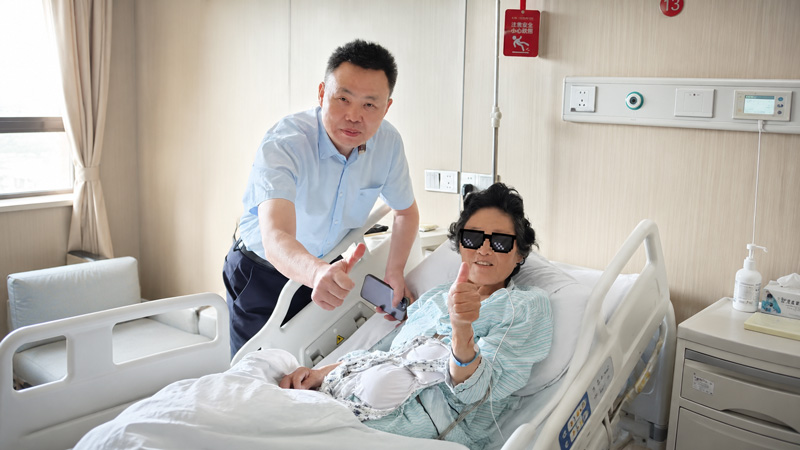
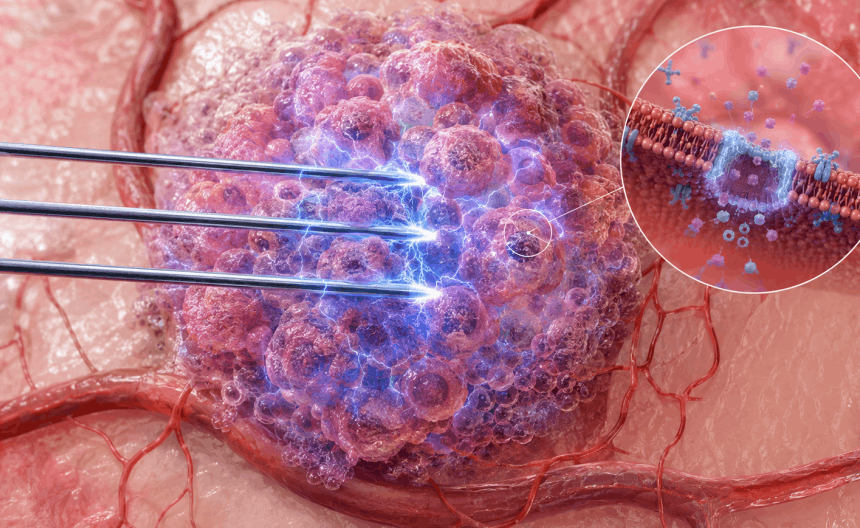
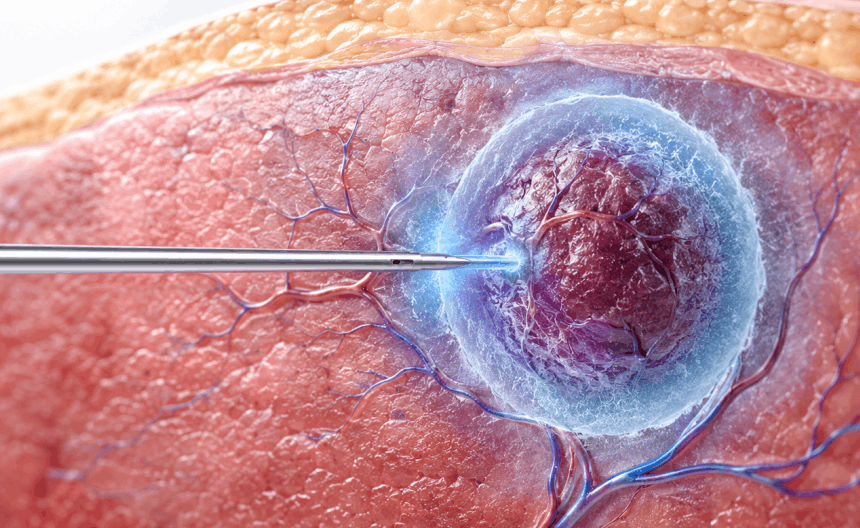
Professor Liao Zhengyin's team at Uni-Asia Hospital successfully performed the first single-needle bipolar nanoknife (Vina Knife) pancreatic cancer ablation in Western China. The procedure was a palliative ablation performed on a Stage IV pancreatic cancer patient after multiple lines of therapy. Using a single-needle bipolar technique under local anesthesia with sedation, the puncture route was simplified, and the surgery took less than one hour. The patient was able to ambulate 4 hours post-procedure. This practice demonstrates the safety, minimally invasive nature, and accessibility advantages of the domestically produced Vina Knife in ablating tumors in complex anatomical locations, offering a new pathway for local treatment of advanced pancreatic cancer.
Lao Chen
Bladder Cancer
Lao Chen
China
A Chinese patient diagnosed with invasive urothelial carcinoma of the bladder experienced repeated postoperative recurrence and multiple metastases. After undergoing several open surgeries and chemotherapy regimens, the patient's condition became physically intolerable. At the end of 2024, the patient was transferred to Chengdu Uni-Asia Hospital, where Professor Liao Zhengyin's team performed CT combined with ultrasound-guided cryoablation of the abdominal wall metastatic lesion. The patient was able to get out of bed and move around the day after the procedure, was discharged smoothly after only five days of hospitalization, and regained a peaceful life.
Catia
Liver Cancer
Catia
Philippines
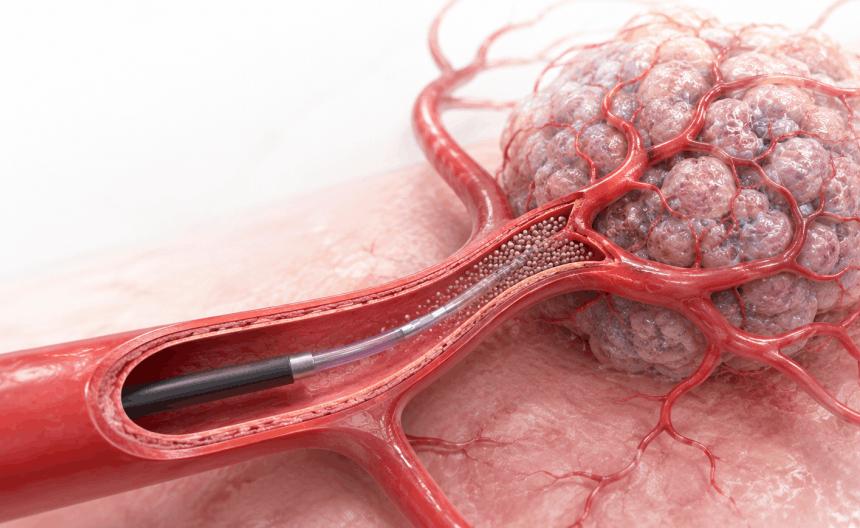
A 42-year-old Filipino patient was diagnosed with primary liver cancer with intrahepatic metastases and a tumor thrombus in the inferior vena cava (stage IV), and had lost the opportunity for surgical resection. He was referred to Chengdu Uni-Asia Hospital through an international referral center. Professor Luo Xiaoping’s team first performed biliary drainage to relieve jaundice, and after his condition stabilized, carried out hepatic arterial infusion chemotherapy and embolization to control the tumor. After the procedure, his abdominal distension was significantly relieved; he was able to get out of bed the next day and was successfully discharged to return home.
Ms. Nguyen
Lung Cancer
Ms. Nguyen
Vietnam
A Vietnamese patient, 68 years old, was diagnosed with small-cell neuroendocrine carcinoma of the right lung with metastases in both lungs. She had previously undergone partial resection of the right lung and multiple rounds of chemoradiotherapy. After recurrence and metastasis left her without the option of surgery, she was referred to Chengdu Uni-Asia Hospital by an international referral center. Professor Liao Zhengyin's team performed minimally invasive interventional chemoembolization for her. She was able to get out of bed and move around the day after the procedure; her cough and shortness of breath improved significantly, and she was discharged smoothly a few days later to return home, regaining a normal life.
Amira
Nasopharyngeal Cancer
Amira
Indonesia
An Indonesian patient, 35 years old, was diagnosed with postoperative recurrence of nasopharyngeal alveolar rhabdomyosarcoma, with invasion of the orbit. A second surgery carried extremely high risks. After a remote consultation, she was transferred to UNI-ASIA Cancer Hospital in Chengdu. Professor Liao Zhengyin's team performed arterial infusion chemotherapy and embolization targeting the blood supply to the orbital tumor. Later, iodine-125 radioactive seeds were implanted at the Zigong campus. After treatment, the swelling, pain, redness, and inflammation around her eye subsided significantly; her eyeball was successfully preserved, and she regained confidence in life.
Akun
Liver Cancer
Akun
China
A Chinese patient was diagnosed with liver cancer accompanied by metastasis to the C3 cervical vertebra and a pathological fracture. On admission, he had severe neck pain and markedly limited movement. The Uni-Asia team first performed cervical vertebroplasty to stabilize the vertebra and relieve pain, and on the following day performed transarterial chemoembolization of the hepatic artery to control the intrahepatic tumor. After surgery, his pain was significantly relieved; he was able to get out of his wheelchair and walk, and he was in good spirits at discharge.
MDT Team
Bringing together senior experts in China's precision minimally invasive cancer treatment field to provide you with world-leading minimally invasive cancer treatment services.
More Cancer Experts
Treatment Technologies
Providing targeted, world-class precision treatment solutions for patients worldwide.
More Treatments

Consultation

Name
Age
Phone Number
Email
Your Question

Submitted Successfully

We have received your consultation. Thank you for your trust. A specialist will contact you within 72 hours, so please keep an eye on your phone calls and email.

Book Appt. WhatsApp
Call Us