
- Patient Stories
- Nguyen Thi Thu Huong
From the liver to the pelvis, every cancerous lesion was extinguished with precision, one treatment at a time
Notes from a Vietnamese Mother's Fourth Interventional Treatment
My name is Nguyen Thi Thu Huong. I am from Vietnam, and I am 50 years old. I'm a little embarrassed to admit this, but six months ago, when the local doctor told me I had cervical squamous cell carcinoma, I didn't fully grasp how serious it was. I thought, "Just cut it out, and that's it, right?" But then came the next words: "It's already stage IIIC, and it has spread to the lymph nodes." Those words hit me like a blunt blow to the body. I have raised six children, and I have barely shed a tear through all of it. Yet that day, outside the doctor's office, I clung to my husband and sobbed so hard I could barely stand.
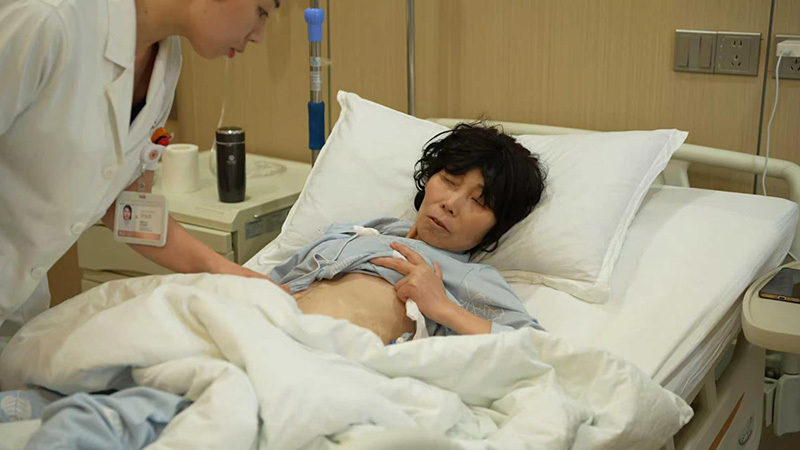
According to the treatment plan, I started six weeks of concurrent chemoradiotherapy back in my hometown. The skin in the radiation area gradually turned black, and it burned like fire. As soon as the chemo drugs entered my body, they turned my stomach inside out—I vomited uncontrollably. At my weakest point, my hemoglobin dropped to 33 grams per liter. I couldn't even go to the bathroom without someone holding me up. I fought through it all, and when the vaginal bleeding finally stopped, I truly believed I could finally catch my breath. But then, early this year, a follow-up scan found new metastases in my liver. The local doctor shook his head and told me there was no longer any chance of a radical curative resection.
In that moment, I understood what it truly meant to have every road ahead blocked off. If even surgery was no longer an option, would the cancer cells just run wild through my belly?
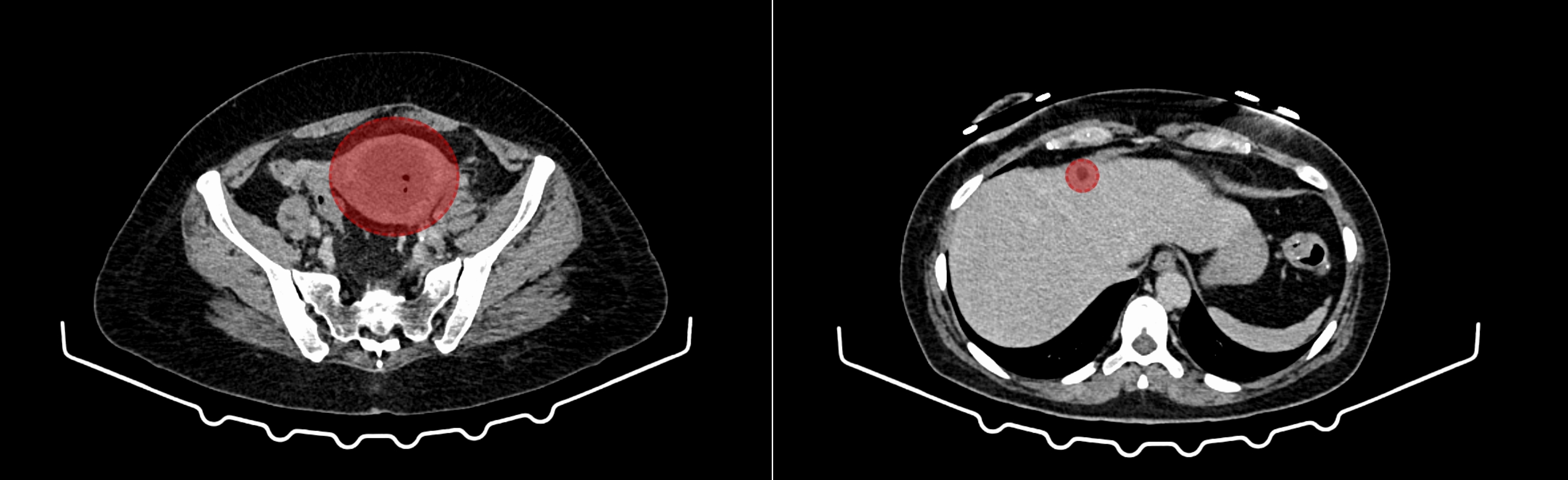
Lesions in the uterus (left) and liver (right) at the time of diagnosis.
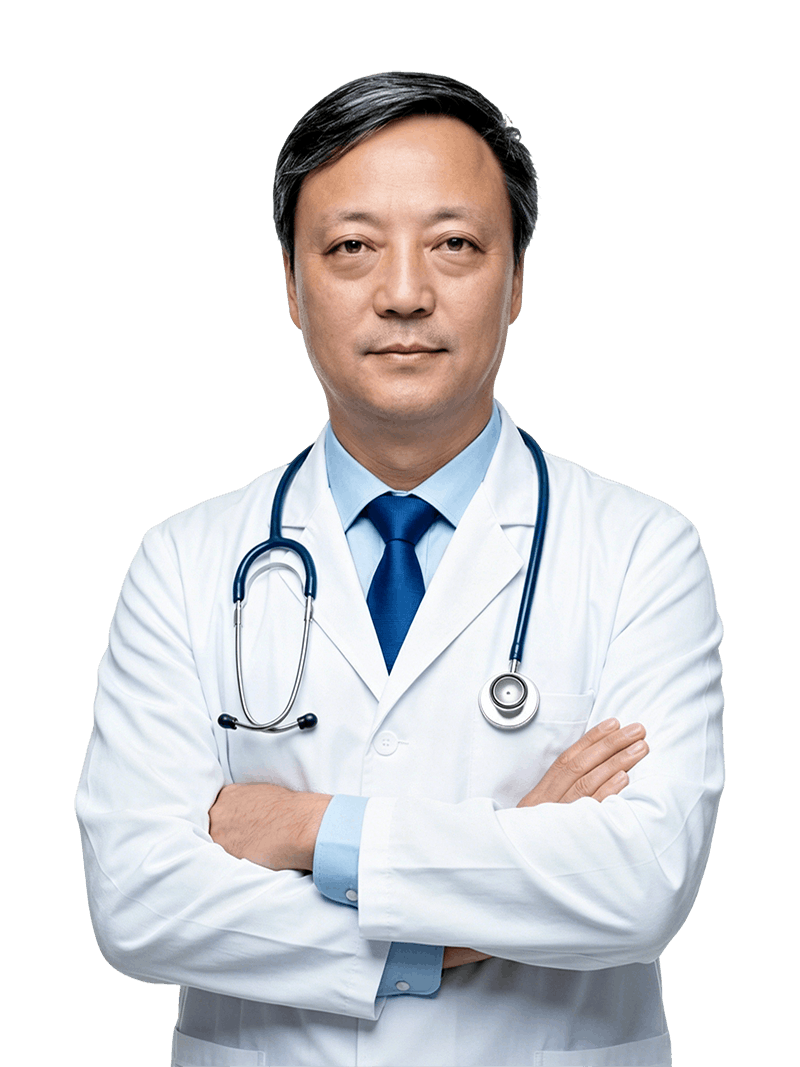
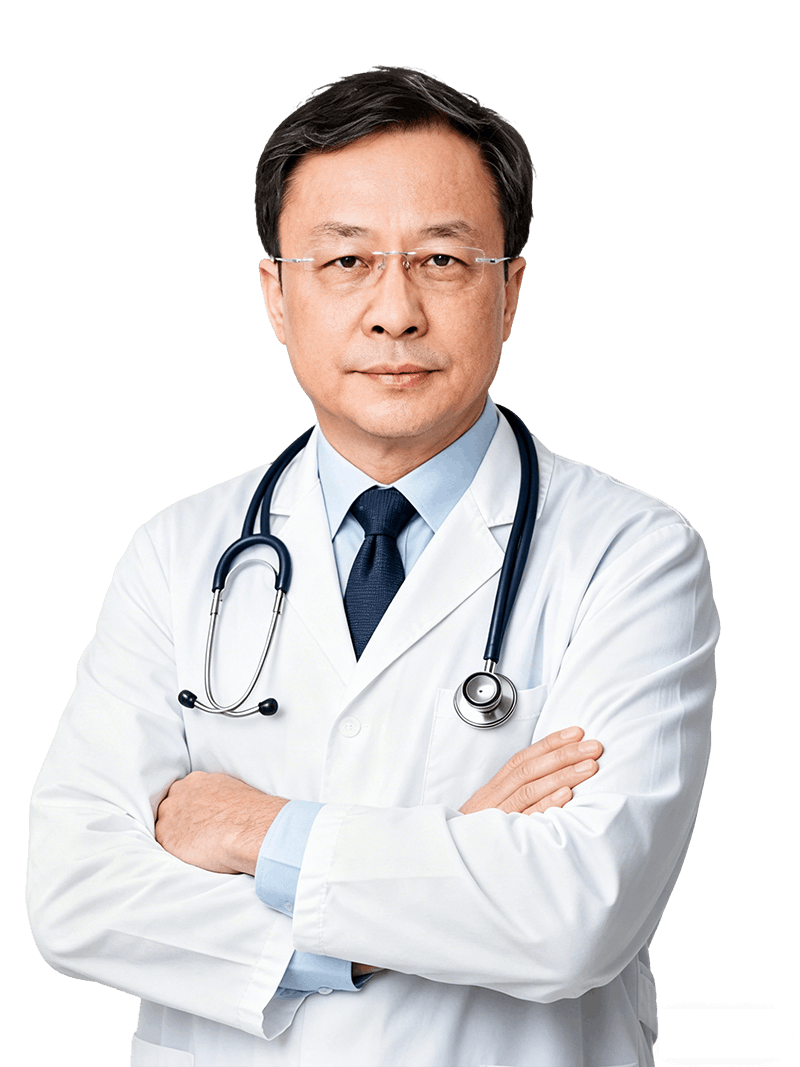
My husband searched everywhere for hope. It was through a Southeast Asian cancer patient support group that he first heard about Uni-Asia Cancer Hospital in Chengdu. People in the group spoke highly of the hospital, saying it had brought together some of China's leading interventional specialists—including Professors Zhang Jinshan and Liao Zhengyin—from the nation's top three public hospitals and that they specialized in treating metastatic tumors with minimally invasive techniques instead of open surgery. For the first time in a long while, we felt a glimmer of hope. We immediately contacted the hospital through its official website and were connected with a Vietnamese-speaking international patient coordinator. Her voice was calm and reassuring. She stayed up late helping us organize my medical records, and within just a few days, she arranged a complimentary online consultation with Professor Liao Zhengyin. On the screen, Professor Liao carefully reviewed my CT scans, pointing to each lesion one by one. "This tumor in your liver, and these lymph nodes in your pelvis, are all being supplied by tiny arteries," he explained. "Our job is to navigate through those blood vessels, identify every artery feeding the tumors, deliver a high concentration of chemotherapy directly into them, and then seal them with embolic microspheres. We target the cancer with precision while preserving as much healthy tissue as possible." At that moment, after months of fear and uncertainty, I finally felt the weight lift from my shoulders.
The journey from Vietnam to Chengdu was made remarkably smooth by the hospital. Their international team guided us through every step of the visa application process, helping prepare all the necessary documents. When my flight landed, a coordinator was already waiting at the arrival gate, holding a welcome sign written in my native language. From the moment we met, they helped with my luggage, explained everything that would happen next, and eased the anxiety of arriving in a foreign country for the first time. My room was a quiet private suite, peaceful enough to hear the birds outside the window. On my very first day, the nurses carefully asked about my dietary requirements, and every meal that followed was freshly prepared in accordance with halal standards. Besides my bed, there was even a prayer direction marker indicating the qibla. It was these thoughtful details, and the respect behind them, that made me feel I wasn't here simply as a patient seeking treatment—I was a welcomed guest.
After a multidisciplinary team (MDT) discussion, Professor Liao and his colleagues recommended that I undergo four to six sessions of interventional therapy to achieve the best possible outcome. I agreed without hesitation. After traveling so far to find the right doctors, I trusted their judgment completely. Whatever treatment they believed was best, I was determined to follow without compromise. My first procedure was scheduled for the very next day after the treatment plan was finalized. As I lay on the interventional table, only a local anesthetic was administered to my upper thigh, and I remained fully awake throughout the procedure. Seeing the calm, focused faces of Professor Liao and Director Wu Chaobo beside me gave me an overwhelming sense of reassurance. Above my head, I could watch on the monitor as a hair-thin catheter advanced steadily through my blood vessels. Their precise, confident technique meant I felt virtually no discomfort from beginning to end. From catheter insertion to sheath removal, the entire procedure took less than an hour. Back in my room, apart from keeping my right leg still under a sandbag for a few hours, none of the overwhelming nausea or excruciating pain I had experienced during previous chemotherapy ever came. The following day, I continued with immunotherapy as planned, and on the third day, my blood tests showed that, aside from anemia that would take time to recover, my liver function remained stable. In total, I underwent four interventional treatments. When Professor Liao told me that all visible lesions had been successfully treated and that I was ready to go home, it was a moment I will never forget. By the day I was discharged, I was packing my own luggage, strolling through the corridors, and chatting with the nurses with a smile. As the gentle spring breeze of Chengdu brushed across my face, I held the comparison CT images Director Wu had given me. The dark shadow on my liver had shrunk even further since the day I first arrived. From being told that surgery was no longer possible to watching my tumors shrink treatment after treatment, I realized that I had never walked this journey alone.
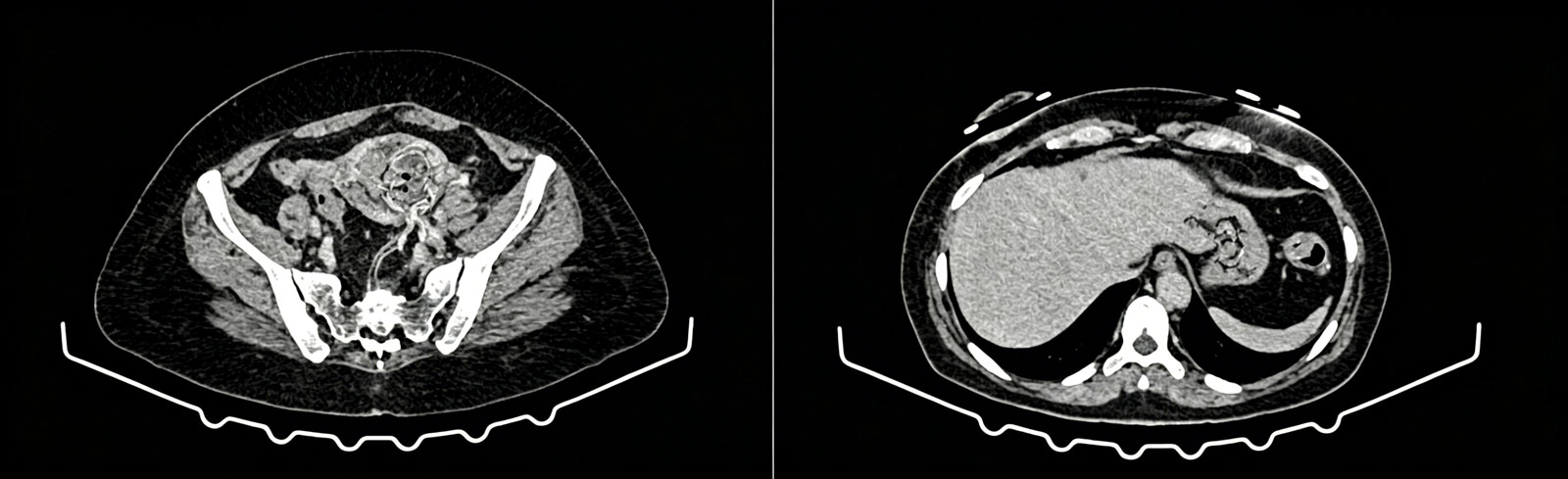
Lesions in the uterus (left) and liver (right) after treatment at our hospital, showing complete disease control.
Finally, I want to say thank you. Thank you to Director Wu and to every angel in white at Uni-Asia Cancer. With your slender catheters, you precisely extinguished every single "flame" scattered inside my body, one by one. This dignity — upheld by your immense humanity and cutting-edge skill — is something I will carry with me for the rest of my life.
And to fellow patients who may still be hesitating, I want to share a Chinese proverb I grew up hearing: "After the storm, the sky is bluer." Don't let go of the reins the moment you hear words like "metastasis" or "advanced stage." Find yourself a harbor for minimally invasive treatment—like Uni-Asia Cancer Hospital in Chengdu—a place that brings together China's top experts and truly understands cross-cultural care. Those days that seem to lead nowhere may, in fact, be quietly turning toward spring.
—As told by Nguyen Thi Thu Huong · In the spring breeze of Chengdu, upon her discharge from the hospital