
Wu Chaobo | Oncology Expert in Precision Minimally Invasive Cancer Treatment in China
- Doctors
- Wu Chaobo
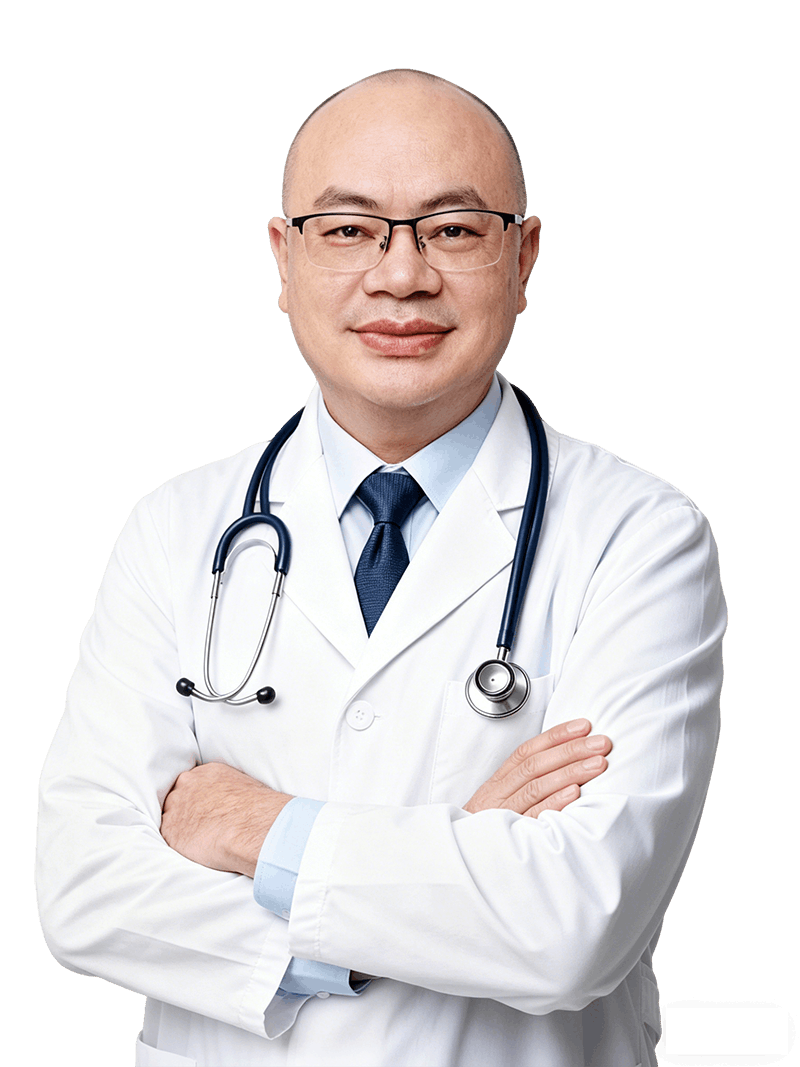
A Doctor Who Has “Explained” Minimally Invasive Tumor Surgery to Tens of Thousands
- A Conversation with Dr. Wu Chaobo, Director of Ward II at Chengdu Uni-Asia Cancer Hospital
Over a decade dedicated to minimally invasive interventional oncology, with 2,000 popular-science records tracing a professional journey from the operating table to the internet
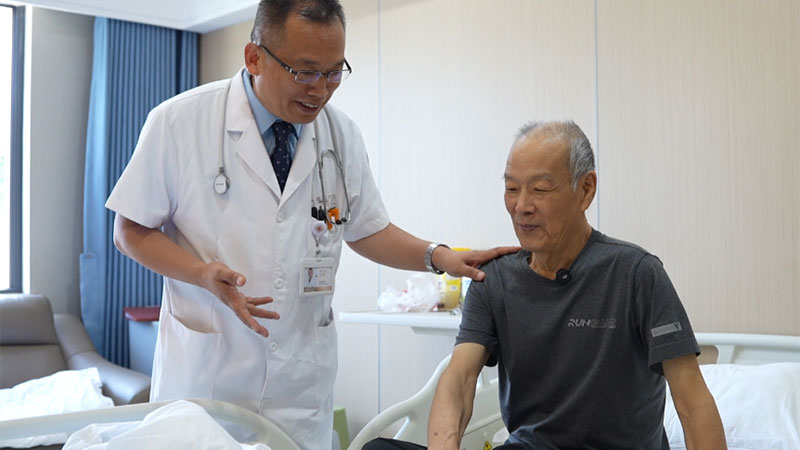
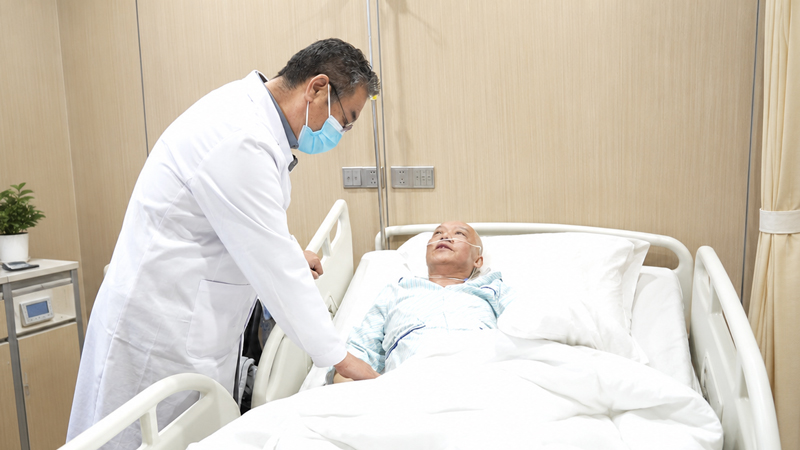
Dr. Wu Chaobo has a dual identity: in the operating room, he is an attending physician who works with catheters and ablation needles; online, he is a medical science communicator who insists on explaining minimally invasive tumor treatment in plain language. Over the past few years, his short-video account has attracted tens of thousands of cancer patients. On the other side of the screen, some people have overcome their fear of interventional surgery through his explanations, while others have traveled from other provinces for in-person consultations after following the guidance in his videos.
Dr. Wu Chaobo has studied and received advanced training in the Department of Interventional Therapy at Sun Yat-sen University Cancer Center, the Department of Radiotherapy at Peking University Third Hospital, Tianjin Medical University Second Hospital, and several other renowned medical institutions in China. He also worked for many years in the oncology department of a JCI-accredited hospital in the United States. Through these experiences, he has developed comprehensive expertise in both vascular and non-vascular interventional techniques and has participated in more than 10,000 minimally invasive interventional procedures.
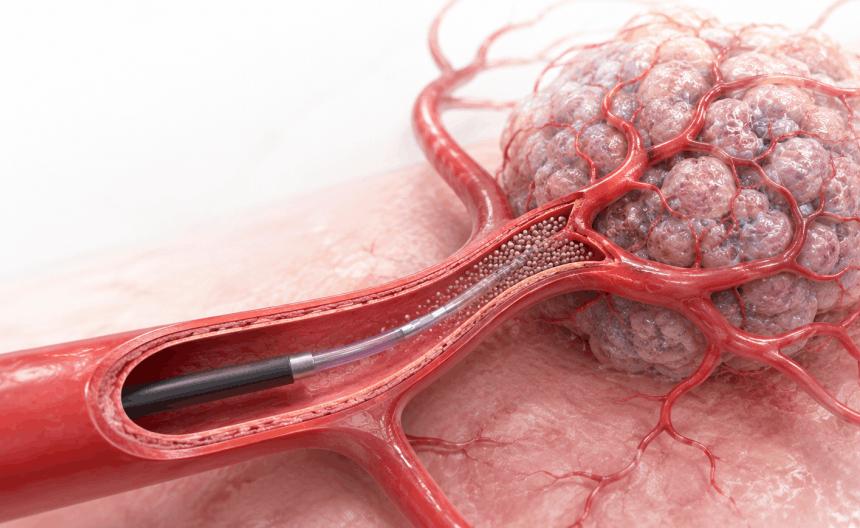
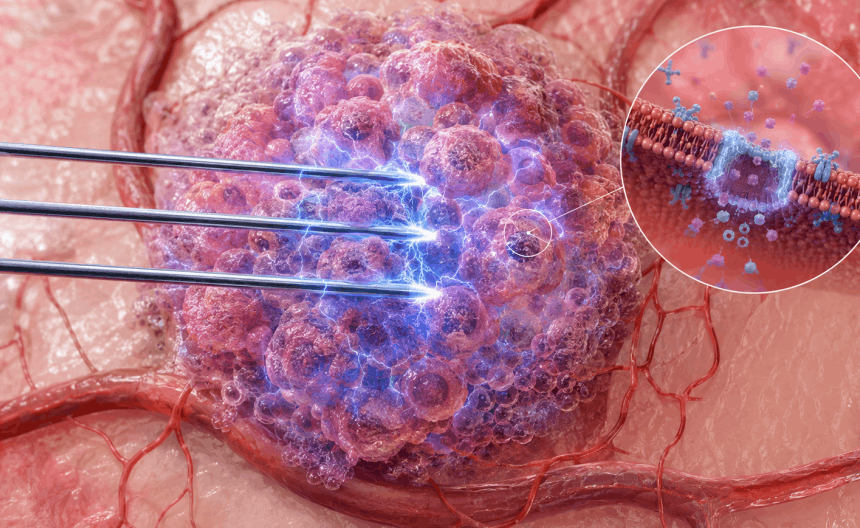
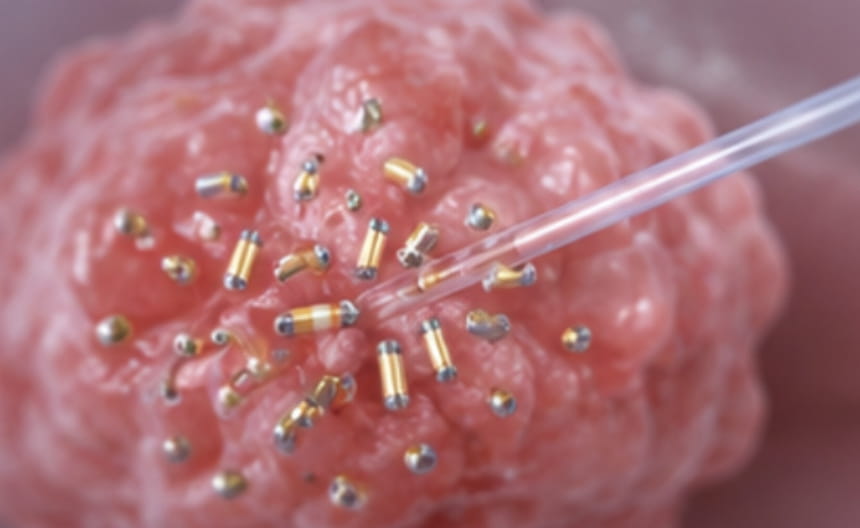
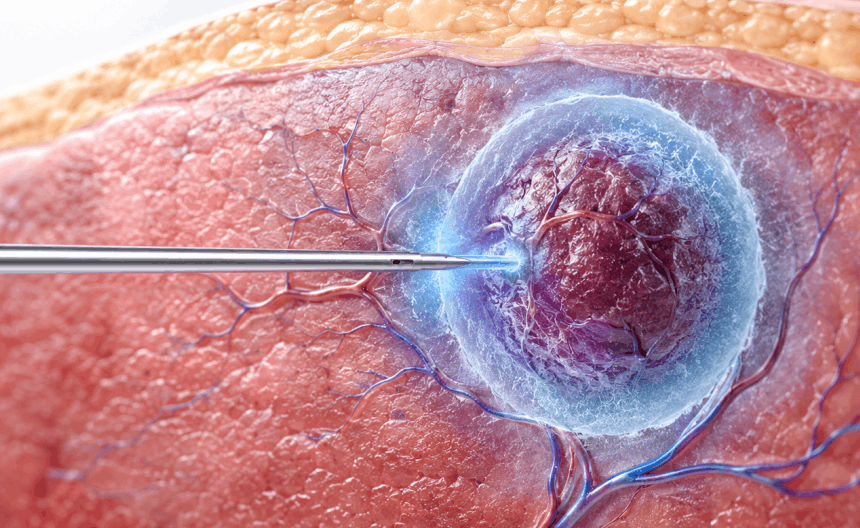
A review of his consultation records reveals the wide range of diseases he treats: digestive system tumors, respiratory system tumors, gynecologic tumors, uterine fibroids, hemangiomas, and other benign and malignant tumors all fall within his minimally invasive treatment spectrum. In terms of techniques, he integrates several mainstream interventional methods - vascular interventional embolization, precise drug infusion, iodine-125 seed implantation, microwave ablation, cryoablation, and radiofrequency ablation - into flexible treatment modules. He particularly emphasizes one treatment principle: while delivering precise local treatment, systemic regulation must also be taken into account. Targeted therapy and immunotherapy are often incorporated into his post-interventional sequential treatment plans, forming a two-layer strategy of “local tumor reduction and systemic stabilization.”
Over the years, he has continued to publish online popular-science content on minimally invasive interventional oncology, covering the principles of interventional treatment for various solid tumors, postoperative management, and guidance on seeking medical care. In one reply, he wrote: “Asking ten thousand questions online is not as useful as coming offline and letting me take a look.” He believes in the power of the internet to make high-quality medical information more broadly accessible, while also understanding that surgical medicine ultimately depends on face-to-face judgment and trust.
Over more than a decade, Dr. Wu Chaobo has forged a path of his own: bringing the concepts of top-tier institutions into clinical practice, transforming experience from the operating table into knowledge that can be shared, and guiding patients from online concern to offline consultation. He says that what interventional doctors do is like precisely delivering a guidewire to the edge of a lesion - it must be able to reach the target, and it must also be able to withdraw safely. Looking back at the words he has spoken in front of the camera, perhaps they represent another form of “conduction” that he has found for this profession.