Soft tissue sarcoma is a rare malignant tumor of mesenchymal origin, with more than 80 subtypes, and can occur in the limbs, retroperitoneum, or almost any site. Overall 5-year survival is about 40%--60%, and the risk of local recurrence is relatively high.
· Previous radiotherapy (secondary sarcoma)
· Chemical exposure such as vinyl chloride and dioxins
· Chronic lymphedema
· Genetic mutations (TP53, NF1, etc.)
· Certain viral infections
Most cases are sporadic. Radiation and chemicals can cause chromosomal translocations, forming specific fusion oncogenes. Carriers of hereditary syndromes such as Li-Fraumeni have a significantly increased lifetime risk of sarcoma.
The most common presentation is a painless, progressively enlarging mass with a firm texture. Retroperitoneal sarcoma is asymptomatic early and gradually causes abdominal distension, an abdominal mass, or compression symptoms. Lung metastasis is the most common and may cause cough and shortness of breath.
· Surgery: Wide local excision with negative margins is the core of curative treatment, and combined radiotherapy can improve local control. Amputation is used only when limb preservation is impossible.
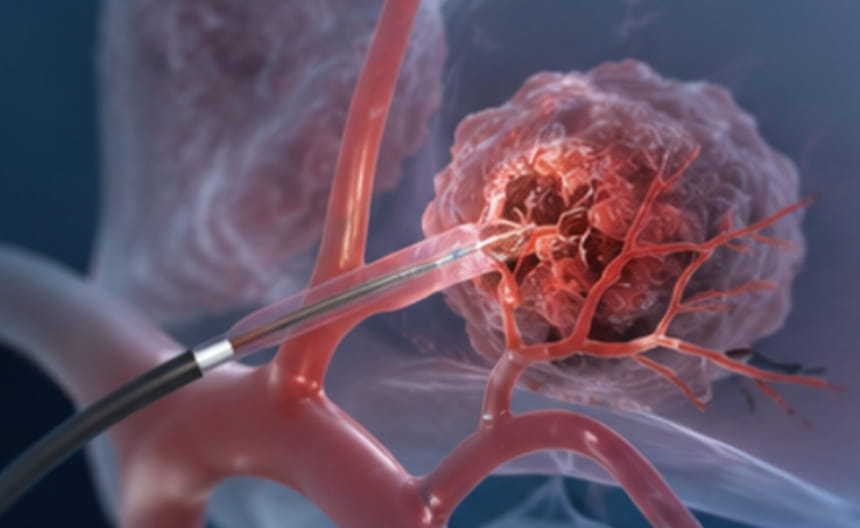
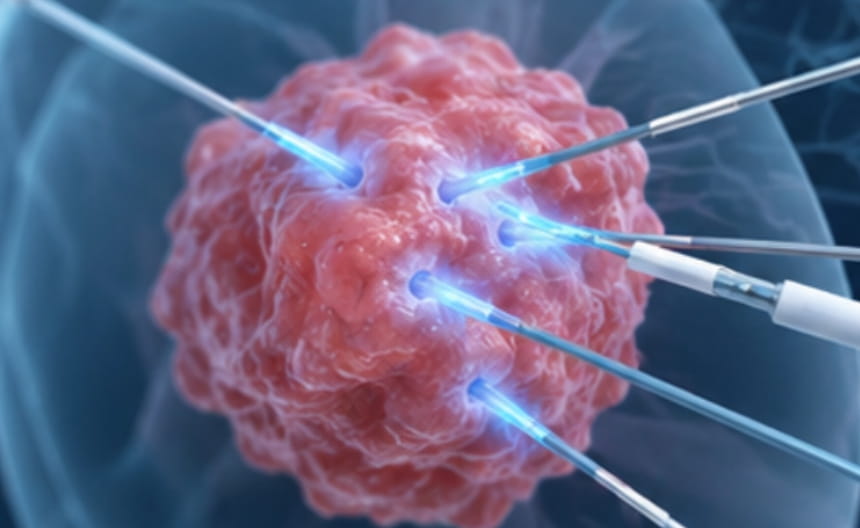
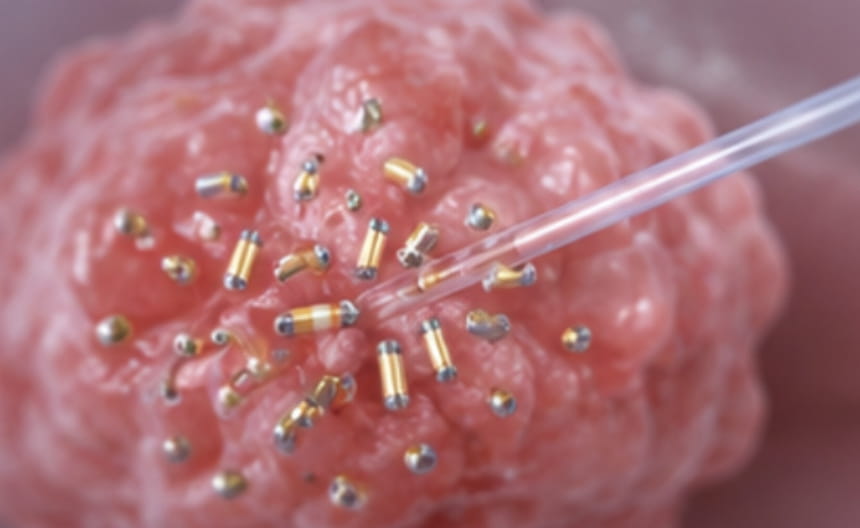
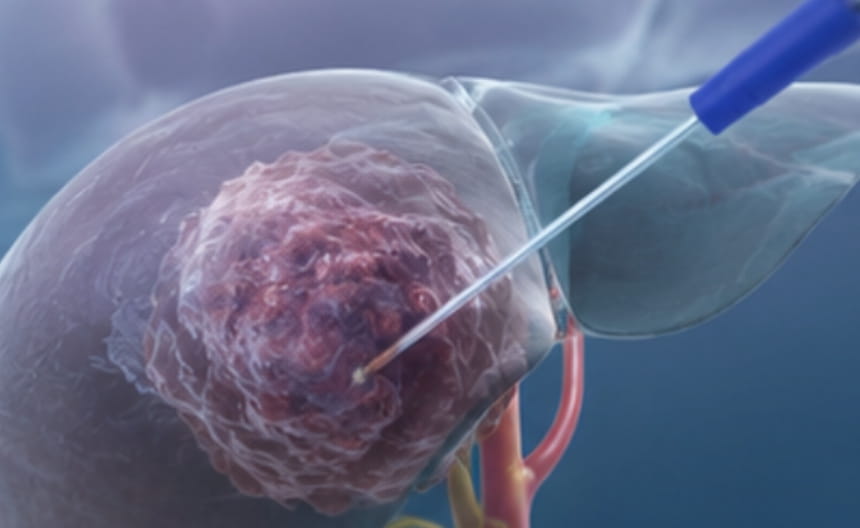
· Minimally invasive treatment: For isolated lung metastases or local recurrent lesions, radiofrequency ablation, microwave ablation, or cryoablation may be used for local destruction; interventional embolization can be used to control hypervascular sarcomas.
· Chemoradiotherapy: Radiotherapy is used for preoperative shrinkage, postoperative consolidation, and unresectable lesions; chemotherapy is sensitive in specific subtypes, such as synovial sarcoma.
· Targeted and immunotherapy: New targeted drugs against specific fusion genes or mutation targets are gradually entering clinical practice.
· Others: Regional limb perfusion chemotherapy can preserve the limb; rehabilitation and long-term local imaging follow-up are crucial.
MRI is the gold standard for local assessment. Core needle biopsy obtains pathological tissue and grading. Chest CT evaluates lung metastasis. Contrast-enhanced abdominal CT is used for staging and follow-up of retroperitoneal sarcoma.