Osteosarcoma is the most common primary malignant bone tumor and occurs mainly in adolescents. It is highly malignant and prone to early lung metastasis. Neoadjuvant chemotherapy and limb-salvage surgery have increased the 5-year survival rate from less than 20% to 60%--70%.
· Hereditary retinoblastoma (RB1 gene mutation)
· Li-Fraumeni syndrome (TP53 mutation)
· Malignant transformation of Paget disease of bone
· Previous high-dose radiotherapy
· Rapid skeletal growth in childhood
Biallelic inactivation of RB1 and TP53 is the core molecular event, causing cell-cycle disorder and defective DNA damage repair, driving malignant transformation of osteoprogenitor cells and early metastasis.
The earliest manifestation is persistent sharp pain at the lesion site, worse at night, most commonly near the knee. Within weeks, a local mass, swelling, and increased skin temperature may appear. Pathological fracture may be the presenting symptom. Lung metastasis can cause chest pain and cough.
· Surgery: Limb-salvage surgery or amputation is performed after neoadjuvant chemotherapy; limb salvage requires complex reconstruction.
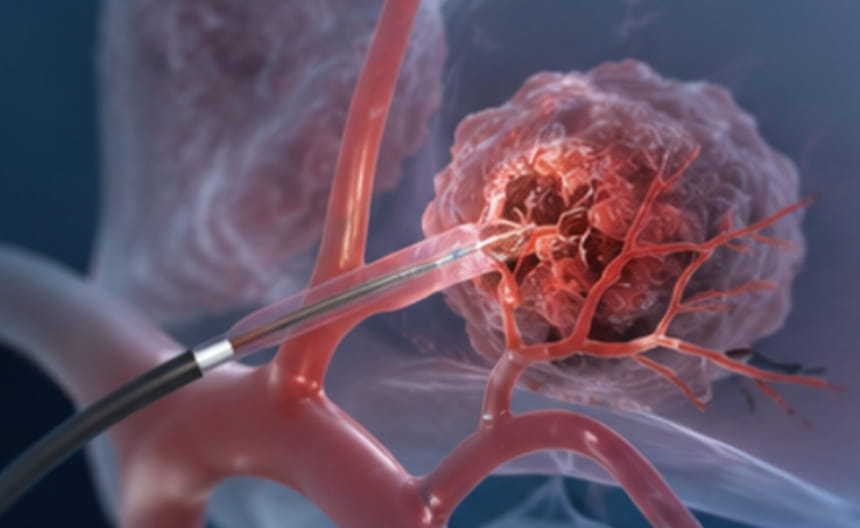
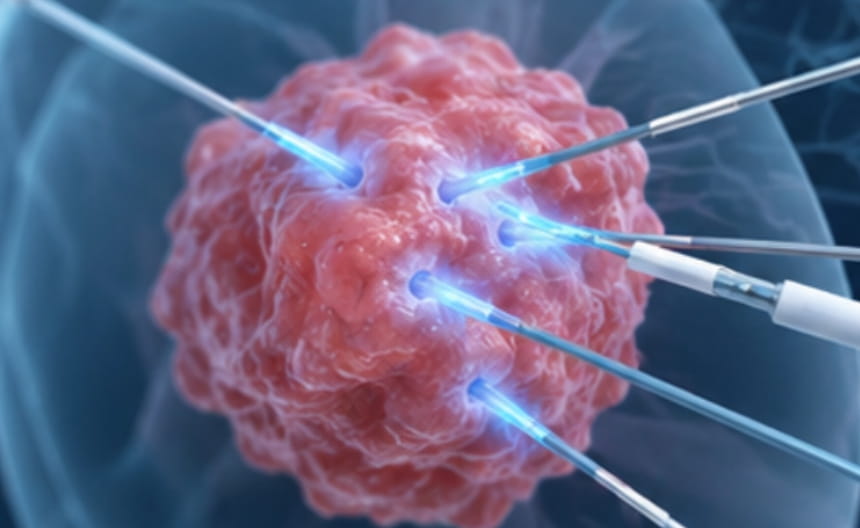
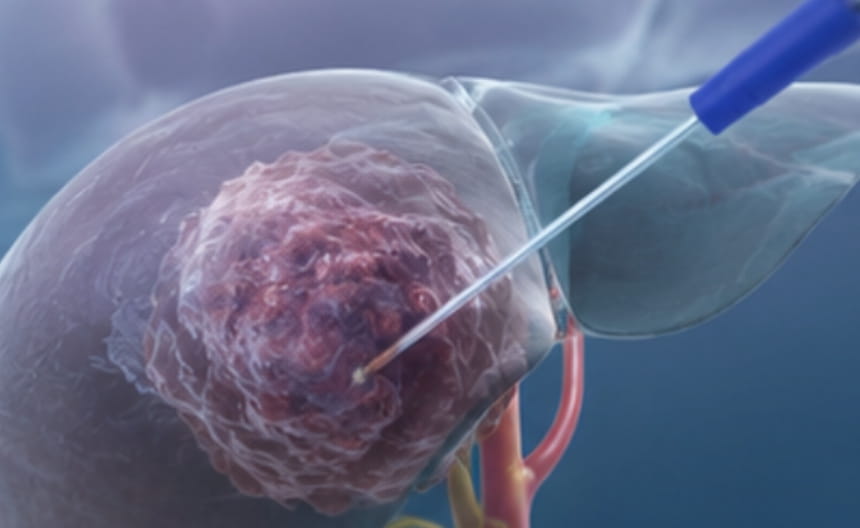
· Minimally invasive treatment: Lung oligometastases may be controlled locally by thoracoscopic resection or percutaneous radiofrequency ablation or microwave ablation; bone metastases may be treated with radiofrequency ablation or cryoablation for pain relief and skeletal stabilization.
· Chemoradiotherapy: Preoperative and postoperative chemotherapy is the core; radiotherapy is used for palliative symptom relief or positive surgical margins.
· Targeted and immunotherapy: New targeted treatments for specific mutations are under exploration; immune checkpoint inhibitors are used in later lines.
· Others: Bone reconstruction and rehabilitation training; growth management and psychological support are especially important for adolescent patients.
Plain X-ray is used for screening, typically showing osteolytic/osteoblastic lesions with periosteal reaction. MRI defines the intramedullary and soft tissue extent. Open or core needle biopsy confirms the diagnosis. Chest CT evaluates lung metastasis. Alkaline phosphatase has prognostic value.