Multiple myeloma is a hematologic malignancy characterized by malignant proliferation of plasma cells. Its incidence in Asia is about 1--2 per 100,000, ranking second among hematologic malignancies. Typical CRAB symptoms (hypercalcemia, renal impairment, anemia, and bone disease) are its hallmark. Iterative advances in new drugs have significantly improved survival.
· Obesity (1.5-fold increased risk)
· Older age (more common >65 years)
· Slight male predominance
· Occupational exposure such as pesticides
· Chronic autoimmune diseases
· Viral infections such as HCV and HIV
Changes in the bone marrow microenvironment promote genetic abnormalities in plasma cells, such as IGH translocation and hyperdiploidy. Secondary mutations in MYC, RAS, and other genes drive malignant clonal proliferation. Adipose-derived cytokines and the inflammatory environment further contribute to disease development.
Bone pain is the most common symptom, especially back pain and rib pain, and may easily lead to pathological fractures. Hypercalcemia causes nausea, constipation, and neuropsychiatric symptoms. Progressive renal insufficiency may occur, and anemia leads to fatigue and pallor. Recurrent infections are also common.
· Surgery: Surgery is usually not the main treatment; internal fixation or vertebroplasty may be performed for pathological fractures to stabilize the spine.
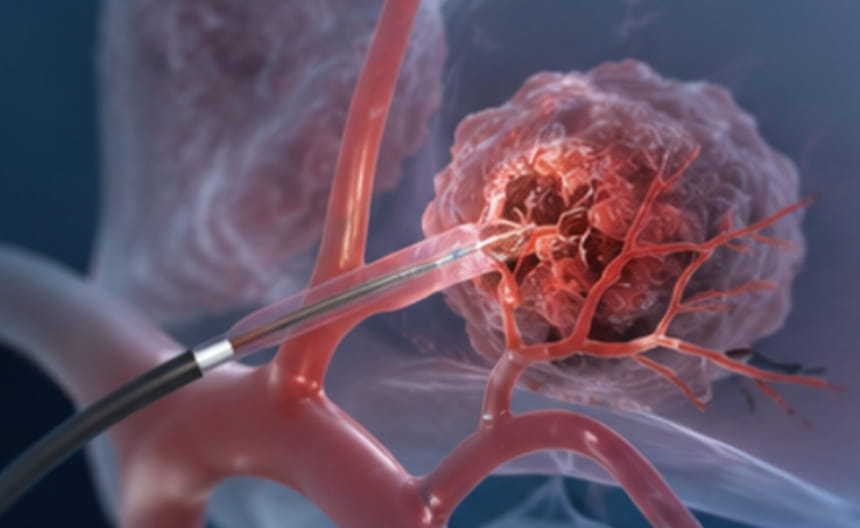
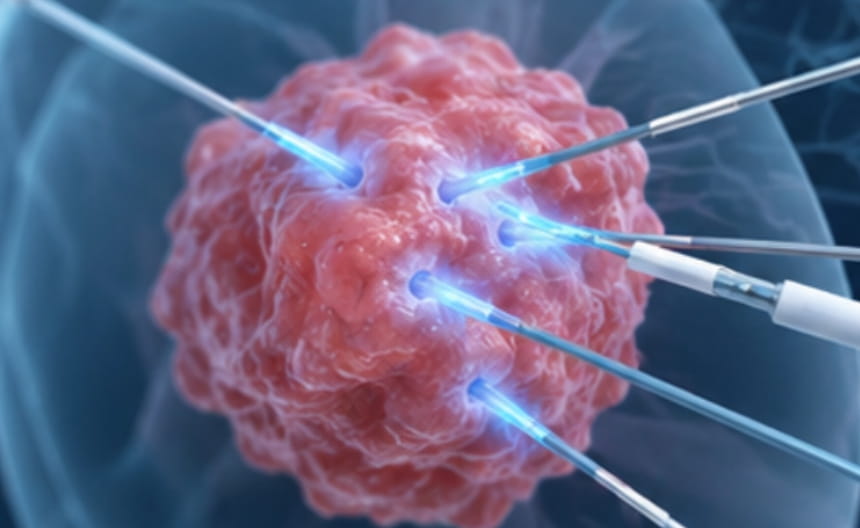
· Minimally invasive treatment: For solitary bone plasmacytoma or refractory bone pain, image-guided radiofrequency ablation or microwave ablation may be used for precise tumor reduction and pain relief; vertebroplasty provides minimally invasive vertebral stabilization.
· Chemoradiotherapy: Chemotherapy combined with targeted modulatory agents is the cornerstone; local radiotherapy is used for bone pain and vertebral compression.
· Targeted and immunotherapy: Proteasome inhibitors, immunomodulatory agents, monoclonal antibodies, and CAR-T (targeting BCMA) significantly improve deep remission and survival.
· Others: Hematopoietic stem cell transplantation is used for suitable younger patients; bone-modifying agents reduce skeletal events; hydration and anti-infection support are provided.
Bone marrow aspiration and biopsy show clonal plasma cells ≥10%. Serum protein electrophoresis and immunofixation electrophoresis detect M protein. Serum free light chains improve diagnostic yield. Imaging such as whole-body low-dose CT or PET-CT evaluates bone disease. FISH is used for genetic prognostic stratification.