Oral cancer commonly occurs in the tongue, floor of the mouth, buccal mucosa, and other sites, and is mainly squamous cell carcinoma. Because it is relatively easy to detect early, the overall 5-year survival rate can reach 60%, but prognosis is poorer in advanced disease or multi-site involvement.
· Smoking and alcohol consumption (the main factors)
· Betel nut chewing (high incidence in Asia)
· HPV infection
· Chronic oral ulcers and poor oral hygiene
· Long-term sunlight exposure (lip cancer)
· Genetic susceptibility
Tobacco carcinogens and acetaldehyde, an alcohol metabolite, directly damage DNA in the oral mucosa. Arecoline in betel nut is genotoxic and produces mutations in genes such as TP53. HPV E6/E7 proteins interfere with the Rb and p53 pathways.
The most common manifestations are long-lasting non-healing oral ulcers (more than two weeks), mucosal leukoplakia or erythroplakia, and verrucous growths. As the disease progresses, pain, limited mouth opening, impaired tongue movement, and loose teeth may occur. Cervical lymph nodes are often enlarged.
· Surgery: Surgical resection is the first choice for early oral cancer, and sentinel lymph node biopsy may be performed at the same time. Microsurgical reconstruction restores appearance and function.
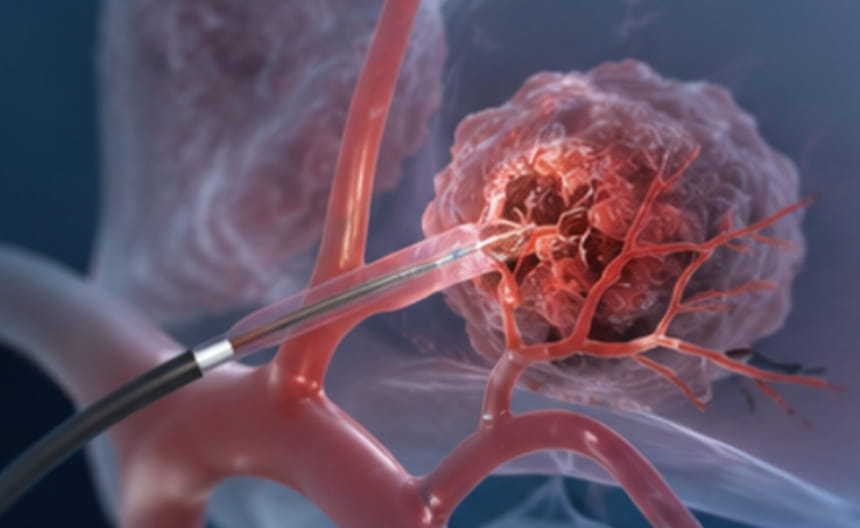
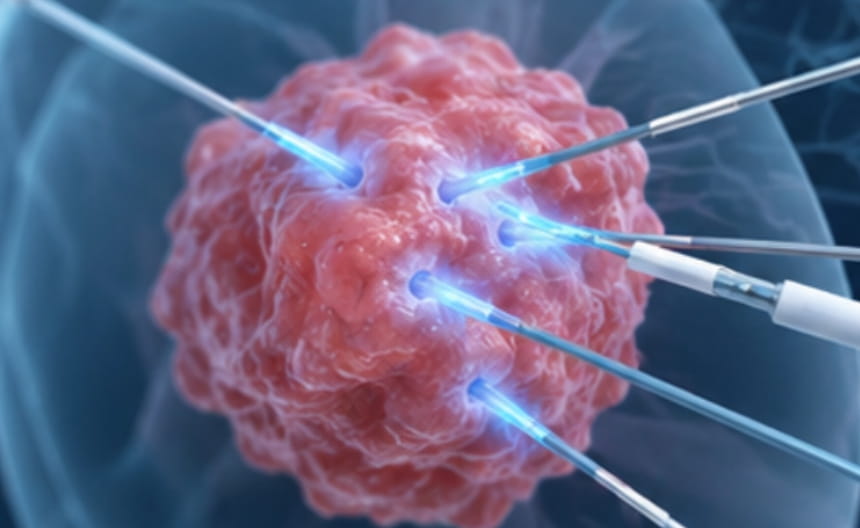
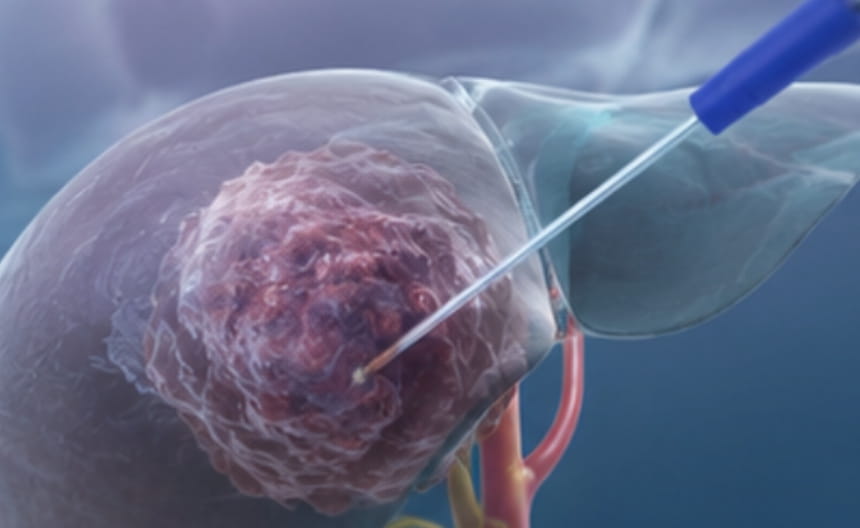
· Minimally invasive treatment: Early superficial lesions may be treated with laser ablation or photodynamic therapy; regional recurrent lesions may be controlled locally with image-guided radiofrequency ablation or microwave ablation.
· Chemoradiotherapy: Postoperative radiotherapy or concurrent chemoradiotherapy is used for high-risk and locally advanced patients.
· Targeted and immunotherapy: Immune checkpoint inhibitors have achieved durable responses in some oral cancers.
· Others: Oral function rehabilitation, speech therapy, and follow-up management are indispensable.
Clinical inspection and palpation are combined with toluidine blue staining. Pathological diagnosis is confirmed by biopsy. CT and MRI evaluate invasion and lymph node metastasis. HPV testing assists prognostic stratification.