
- Cancers
- Skin Cancer





Skin Cancer
Skin cancer is the most common malignancy worldwide, primarily comprising basal cell carcinoma and squamous cell carcinoma. The incidence in Asia has been increasing year by year. Most cases can be cured by outpatient surgery; however, if diagnosis and treatment are delayed, the disease may cause local invasion or even metastasis.
Risk Factors
· Sunlight and artificial ultraviolet (UV) radiation exposure (the most important risk factor)
· Fair skin and history of recurrent sunburn
· Long-term immunosuppressive therapy
· Advanced age
· Chronic arsenic exposure
· Chronic non-healing ulcers and scars
Etiology
Ultraviolet radiation induces the formation of pyrimidine dimers, leading to TP53 gene mutations, while also causing local immunosuppression. In immunocompromised individuals, inadequate clearance of mutated cells significantly increases the risk of developing cutaneous squamous cell carcinoma and other skin cancers.
Symptoms
Basal cell carcinoma often presents as a pearly, translucent nodule with telangiectasia and central ulceration. Squamous cell carcinoma typically appears as a rough, indurated plaque with a verrucous or necrotic, ulcerated surface. Both types predominantly occur on sun-exposed areas such as the head and face.
Treatment Options
- Surgery: Standard surgical excision and Mohs micrographic surgery ensure negative margins and provide good cosmetic outcomes.
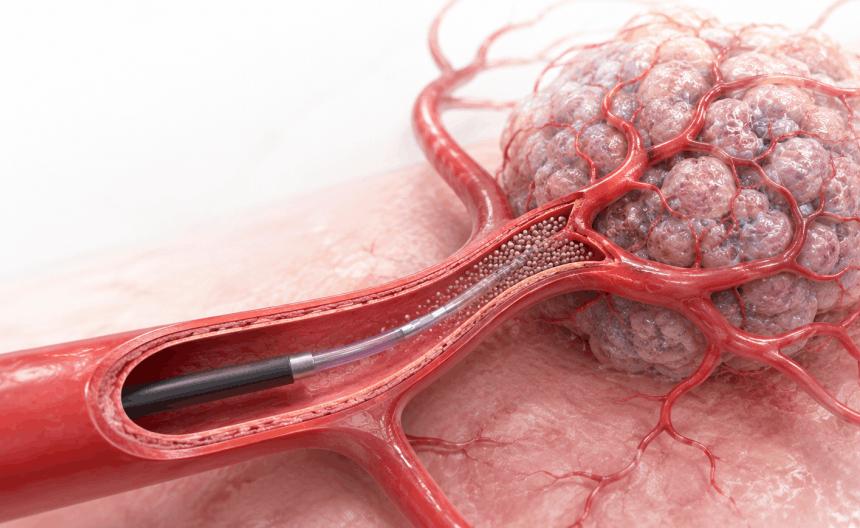
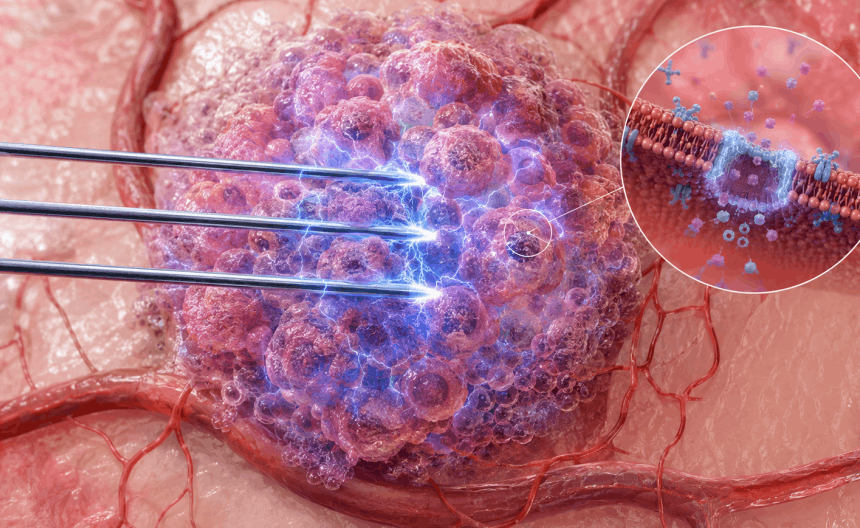
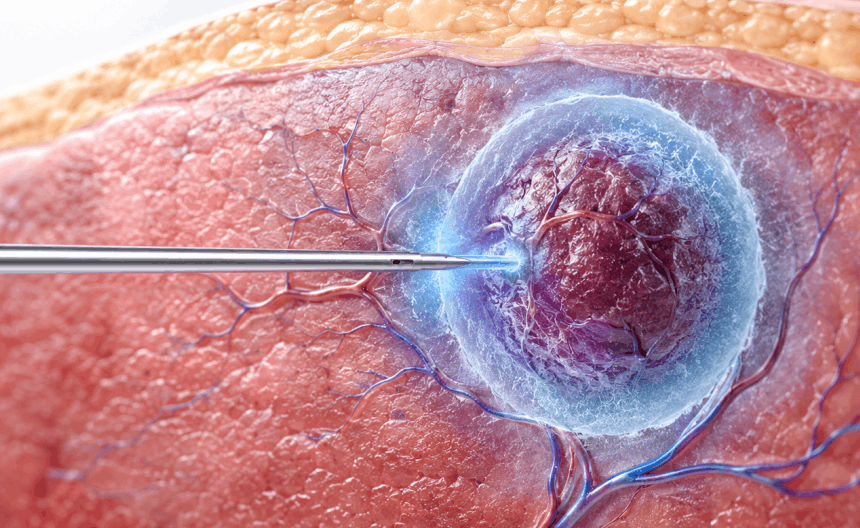
- Minimally invasive therapies: Cryoablation and photodynamic therapy are suitable for superficial or low-risk lesions; radiofrequency ablation can be used for locally recurrent small nodules; laser ablation is also used for superficial lesions.
- Radiotherapy and chemotherapy: Radiotherapy is indicated for elderly patients who are not surgical candidates or have positive margins.
- Targeted and immunotherapy: Immune checkpoint inhibitors are used for locally advanced and metastatic squamous cell carcinoma; Hedgehog pathway inhibitors are used for basal cell carcinoma.
- Others: Lifelong sun protection and regular skin examinations are core components of long-term management.
Diagnostic Tests and Evaluation
Dermoscopy improves diagnostic accuracy. Full-thickness excisional skin biopsy confirms the diagnosis. Sentinel lymph node biopsy may be considered for high-risk squamous cell carcinoma. Imaging is used in patients with evidence of lymph node or perineural involvement.