

- Patient Stories
- A mother with liver cancer





The Ice Ball
Fragments of a Patient’s Journey: Treating a Caudate Lobe Liver Metastasis
It was 2 a.m. again. I was leaning over the wastebasket beside my bed, vomiting. My stomach had long been empty, and all I could bring up was acid. The pain beneath my right ribs felt like a hand gripping my liver, refusing to let go.
Three boxes of painkillers sat on my bedside table, along with a little note written by my daughter: "Mom, stay strong!" She was only nine, and her handwriting was still a little crooked.
I was 38. It was the third year after my lung cancer surgery, but the cancer had spread to the caudate lobe of my liver. I had tried everything, one after another: radiotherapy, chemotherapy, targeted therapy, and immunotherapy. None had worked. The surgeon had simply spread his hands and told me, "The tumor is in a difficult location, right next to major blood vessels. Surgery isn't an option."

The fluorescent lights in the consultation room were a little glaring. I curled up in my chair, barely having the strength to speak. My husband had to explain my entire medical history for me.
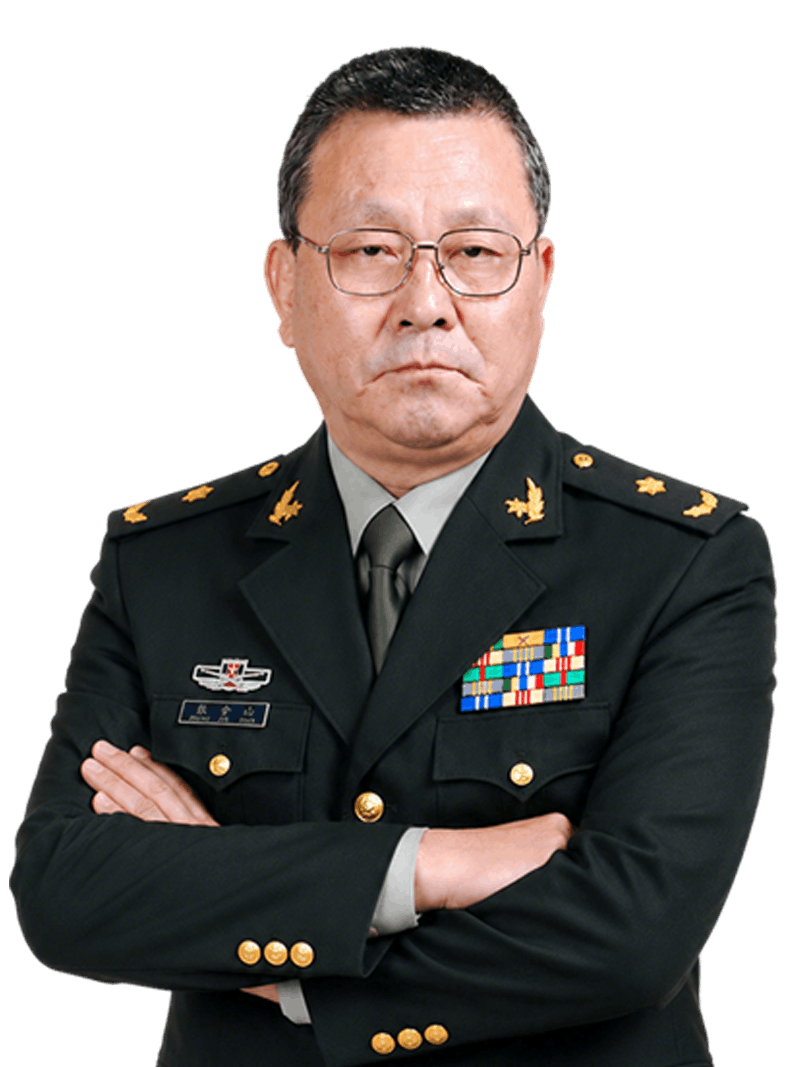
After reviewing my scans, Professor Liao Zhengyin didn't say there was nothing more he could do. Instead, he pointed to that small corner of the image and said something I will never forget:
"Operating on a tumor in the caudate lobe is indeed very risky. But where a surgical knife cannot reach, a needle can."
He turned around and drew a diagram for me. Several thin cryoablation needles would be inserted from different angles, creating an ice ball at the center of the tumor and freezing it completely.
"The procedure is minimally invasive. You don't need to be afraid."
By then, I had almost stopped believing in hope. But I saw the look in his eyes as he spoke. It was the confidence of a doctor who knew he could win this battle.
The operating room was warmer than I had imagined.
The procedure was performed under local anesthesia, and I remained awake throughout. I could hear the instruments gently touching and the doctors quietly calling out measurements and positions.
Someone near the monitor said, "First needle in position... second needle... good, begin cooling."
I couldn't see the ice ball myself, but I could see Professor Liao's silhouette in front of the monitor. He stood there, watching intently without moving, as if guarding a battle that had to be won.
There was no major bleeding and no unexpected complications. The procedure was over even sooner than I had expected.
When I was wheeled back to my room, I touched my abdomen. There were just a few tiny needle punctures covered with dressings. That was all.

Two weeks after the procedure, I returned for an MRI.
The report came out of the printer. I read those few lines over and over again, five times in total:
Complete tumor necrosis.
What surprised me even more was how my body felt. Somehow, that hand gripping my liver had finally let go. The pain had subsided to the point where I could hardly notice it.
At lunchtime that day, I finished the entire bowl of porridge the nurse brought me without vomiting.
Sitting on my bed with the empty bowl in my hands, I suddenly burst into tears. The caregiver was startled.
"It's okay, it's okay," I told her. "It's just that the porridge tastes so good."

Even now, I think about that ice ball every day.
An ice ball at dozens of degrees below zero, deep in the most hidden corner of my liver, had gradually frozen the tumor, destroying it from within. And the person who created it needed only a few needles and a few tiny puncture marks.
People ask me, "If even surgeons couldn't remove a tumor in the caudate lobe, how could your doctors dare to treat it?"
I tell them, "Because some battles aren't fought with a surgical knife. They're fought at the tip of a needle."
Professor Liao, thank you.
Those nights of vomiting, the failed treatments, and the little note my daughter wrote—all of that is behind me now.
From now on, I will live every day to the fullest, for the ice ball that gave me another chance at life.