
Zhou Liang | Oncology Expert in Precision Minimally Invasive Cancer Treatment in China
- Doctors
- Zhou Liang

Breaking Through the “King of Cancers” with Minimally Invasive Techniques, Illuminating Life with Three Decades of Dedication
— Dialogue with Dr. Zhou Liang, Minimally Invasive Interventional Oncology Specialist at Chengdu Uni-Asia Cancer Hospital
Three Decades Dedicated to Minimally Invasive Interventional Oncology, Extending Hope for Patients with Advanced Cancer Through NanoKnife and Cryoablation
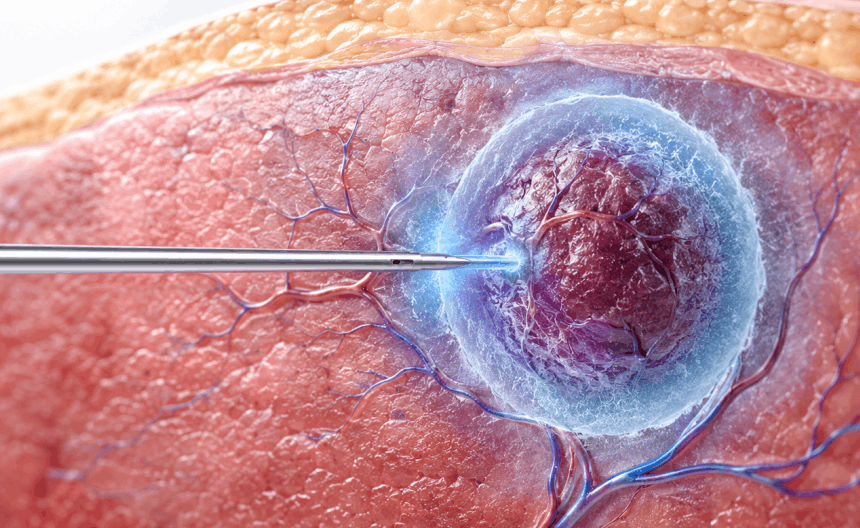
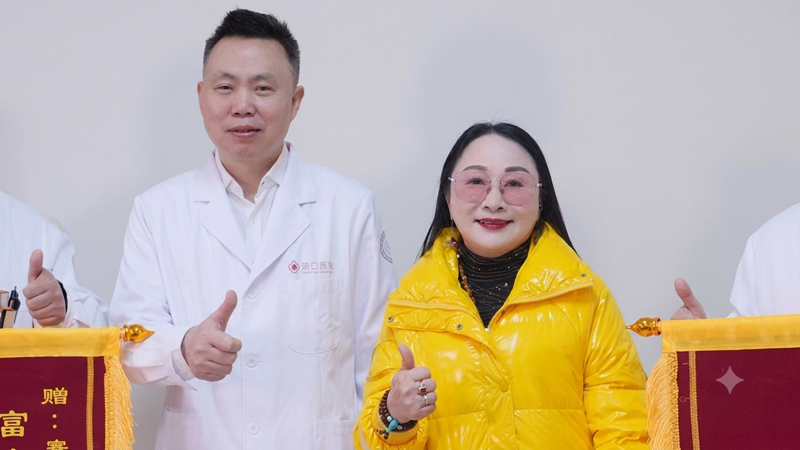
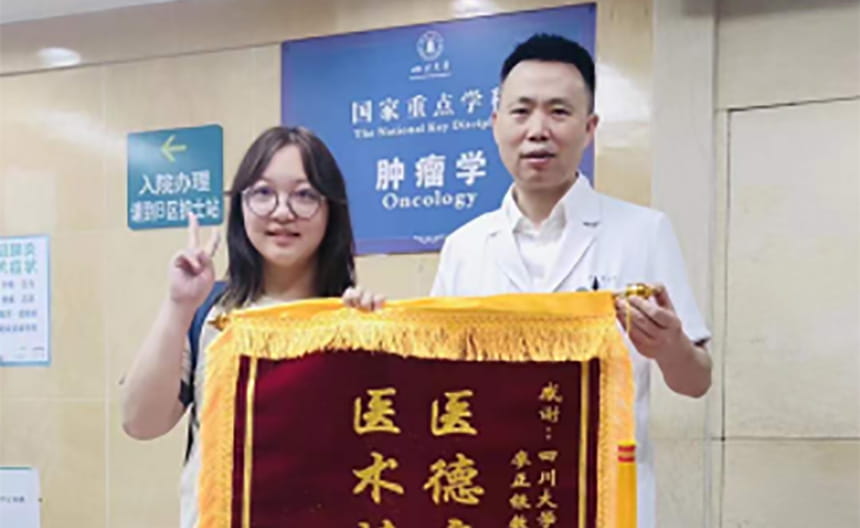
At the medical frontier of minimally invasive interventional oncology, there is a physician who put aside the traditional surgical scalpel and instead took up the NanoKnife and cryoprobes. Under precise ultrasound and CT guidance, he reaches the tumor core hidden deep within the pancreas, liver, lungs, and other organs. With nearly 30 years devoted to minimally invasive cancer treatment, he has opened new paths to survival for countless patients with advanced tumors once deemed “inoperable” through millimeter-level precision. He is Dr. Zhou Liang, Associate Chief Physician and minimally invasive interventional oncology specialist at Chengdu Uni-Asia Cancer Hospital.
Dr. Zhou Liang graduated from Tongji Medical University. In an era when open surgery was the dominant approach, he quickly distinguished himself with outstanding surgical skills. Yet as his clinical experience deepened, he became acutely aware of a harsh reality: many patients with advanced tumors were turned away because their disease had exceeded the scope of conventional surgery, leaving them with almost no viable options.
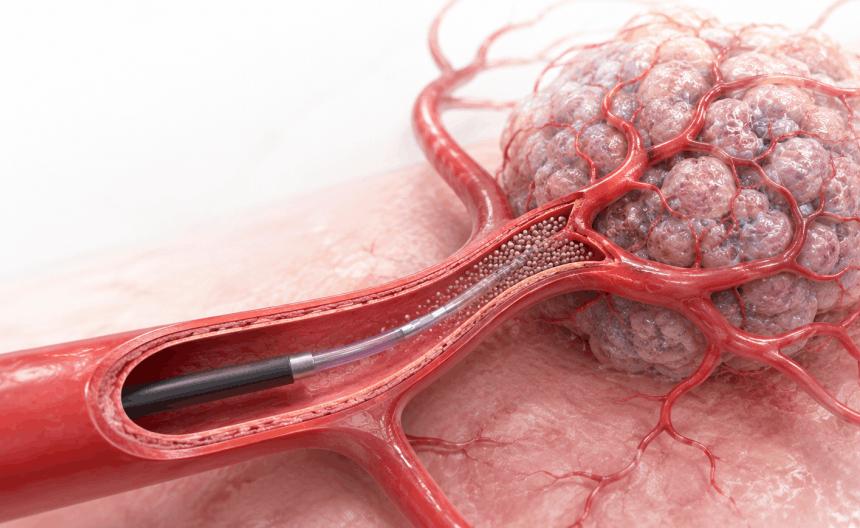
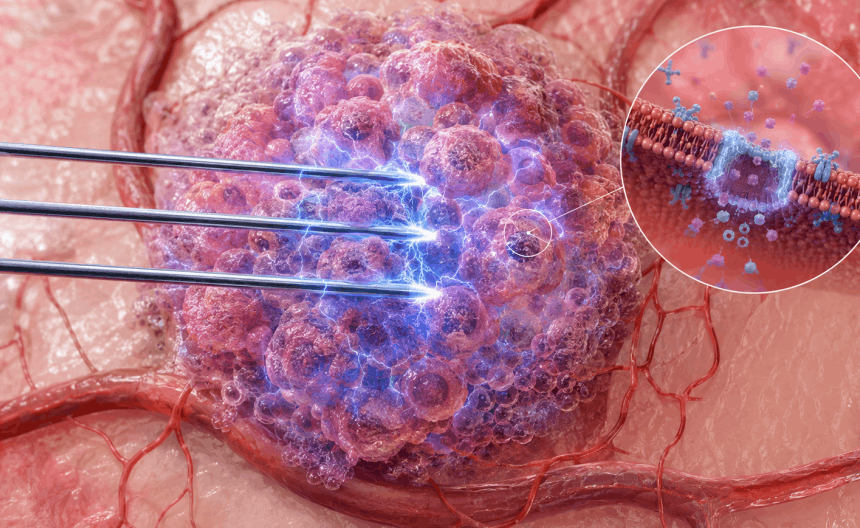
To help more patients with advanced tumors find a chance of survival, Dr. Zhou turned his attention to minimally invasive cancer treatment technologies emerging abroad. In 2003, he made a decisive transition from general surgery to the field of minimally invasive targeted cancer therapy, where he has remained deeply engaged for more than two decades. In 2015, his career reached an important turning point: China introduced its first batch of NanoKnife tumor treatment devices, and the hospital where he worked became one of the first pilot institutions. This new technology uses high-voltage electrical pulses to create nanoscale pores in tumor cell membranes, effectively killing tumor cells while avoiding damage to critical structures such as blood vessels, nerves, and bile ducts. To ensure treatment safety, Dr. Zhou led his team through extensive animal experiments and rigorous preoperative preparation, developing the new technology from the ground up into a mature and standardized practice.
Over the years, Dr. Zhou has focused on minimally invasive targeted treatment for a wide range of solid tumors, including thyroid tumors, breast tumors, lung tumors, pancreatic tumors, and liver tumors. He specializes in puncture biopsy for primary and metastatic tumors, percutaneous cryoablation, NanoKnife ablation, iodine seed implantation, molecular targeted therapy, and comprehensive interventional treatment. He also has rich experience in peripheral vascular diseases, including interventional treatment of hepatic hemangioma, drainage for obstructive jaundice, minimally invasive interventional treatment for massive gastrointestinal bleeding and traumatic bleeding, ablation for lower-extremity varicose veins, and interventional treatment for arteriovenous thrombosis of the limbs and lower-extremity arteriosclerosis obliterans. In comprehensive cancer treatment, he is skilled at integrating local ablation with systemic therapy to tailor individualized treatment plans for patients.
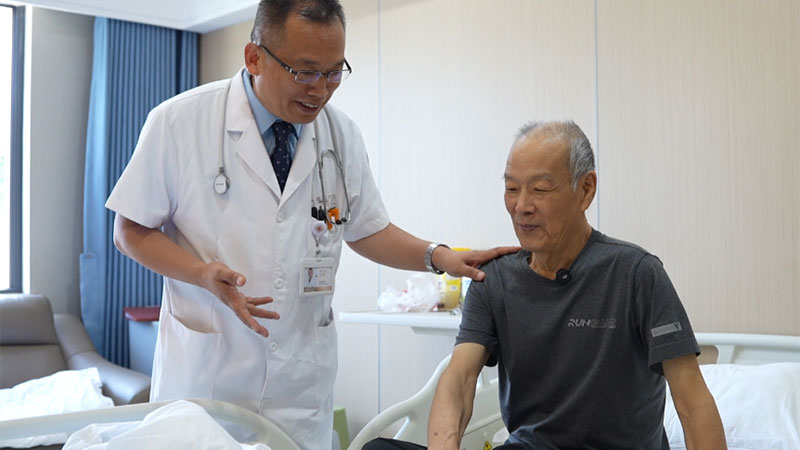
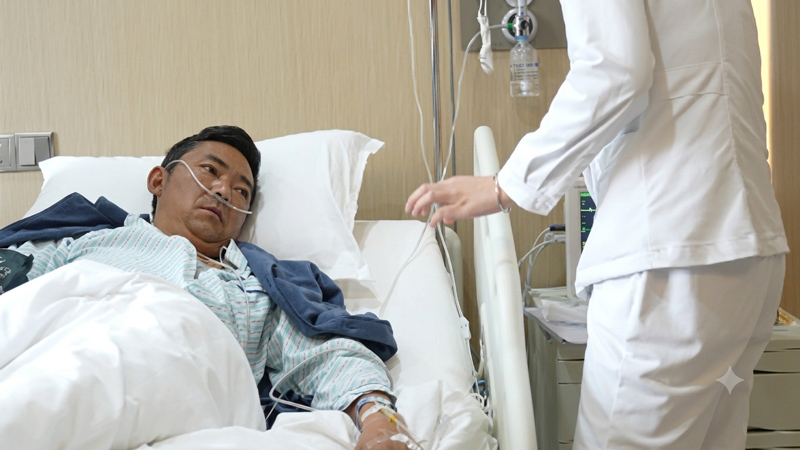
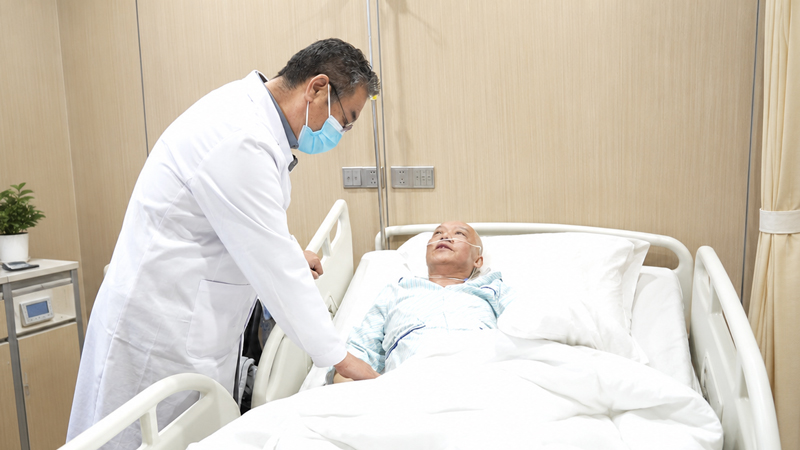
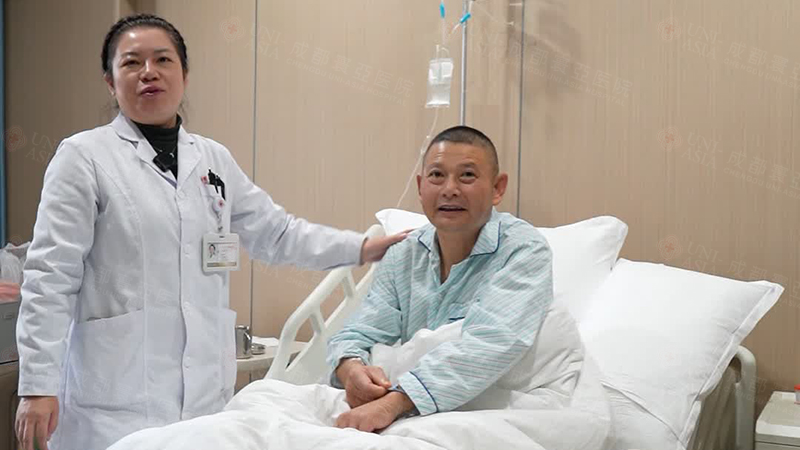
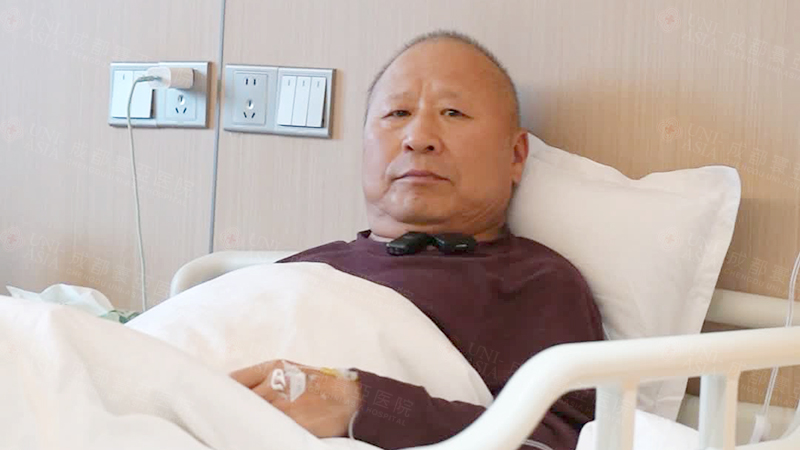
Pancreatic cancer is known as the “king of cancers,” with a five-year survival rate below 10%. In 2017, Dr. Zhou treated a special patient from Guangzhou with pancreatic cancer. The patient had previously undergone open surgery at another hospital, but the abdomen had to be closed because the tumor could not be removed. By the time the patient came to Dr. Zhou, the tumor had compressed the bile duct, causing systemic jaundice and severe pain. After multidisciplinary consultation, Dr. Zhou’s team decided on a comprehensive treatment plan combining NanoKnife ablation with minimally invasive chemotherapy. The procedure was successful; after surgery, the patient’s pain was significantly relieved and the jaundice gradually subsided. Years later, this patient, once thought to be merely awaiting the end of life, is still alive and enjoying retirement. Recently, Dr. Zhou’s team successfully performed NanoKnife ablation on another patient in his seventies with advanced pancreatic cancer, once again creating a therapeutic turning point for an elderly patient with advanced disease. Dr. Zhou’s team has completed more than 600 NanoKnife procedures, and postoperative outcomes have generally met favorable expected prognoses.
From the clinical frontline to the academic podium, Dr. Zhou not only devotes himself to technical refinement but also actively shares the experience he has accumulated over many years. He has published more than ten papers in domestic and international core journals and SCI journals, and has delivered special lectures and reports on difficult cases at national academic conferences such as the China Conference on Minimally Invasive Cancer Therapy. From the operating room of general surgery to the frontier of minimally invasive interventional oncology, he has used three decades of persistent exploration to embody the mission and responsibility of an interventional oncologist.
Representative Academic Achievements of Dr. Zhou Liang
According to available statistics, Dr. Zhou has published more than ten papers in domestic and international core journals and SCI journals. His research focuses on the safety and efficacy of NanoKnife ablation, cryoablation for pancreatic cancer, clinical observation of cryoablation combined with iodine seed implantation for malignant tumors, and comparative studies of ablation for liver cancer in high-risk locations. In addition, Dr. Zhou’s academic contributions are widely reflected in the promotion of technology and the sharing of clinical experience at national academic conferences.
Selected Publications by Dr. Zhou Liang
1. Analysis of Perioperative Complications in Irreversible Electroporation Ablation for Tumors. Journal of Interventional Radiology, 2018.
Dr. Zhou was a co-author. This study included 200 patients who underwent NanoKnife ablation for tumors (71 pancreatic tumors, 64 liver tumors, and 65 other tumors). It systematically summarized and analyzed perioperative complications and management strategies, providing important data for evaluating the clinical safety of NanoKnife ablation.
2. Comparative Study of Ultrasound-Guided Percutaneous Microwave Ablation and Cryoablation for Liver Cancer in High-Risk Locations. Chinese Journal of Interventional Radiology (Electronic Edition), Issue 03, 2019.
Dr. Zhou was the first author (Zhou Liang, Chen Zhixian, Pan Zhongbao, Li Rongrong, Li Shuying, Jin Li, Niu Lizhi). This study compared the clinical outcomes and postoperative complications of ultrasound-guided percutaneous microwave ablation and cryoablation for liver cancer in high-risk locations, and analyzed factors influencing prognosis and postoperative recurrence.
3. Analysis and Management of Common Complications After Percutaneous Cryoablation for Lung Cancer. 2014.
Dr. Zhou was a co-author. This retrospective analysis examined the types, incidence, and management of common complications in 644 lung cancer patients after percutaneous cryoablation, providing evidence-based reference for the standardized application of cryoablation in lung tumors.
4. Safety and Short-Term Efficacy of Irreversible Electroporation Ablation for Malignant Liver Tumors. 2016.
Dr. Zhou was a co-author. This study explored the safety and short-term efficacy of NanoKnife ablation for unresectable malignant liver tumors, confirming that the technology has mild adverse reactions, high safety, and favorable short-term efficacy.
5. Efficacy Analysis of Percutaneous Cryoablation Combined with 125I Seed Implantation and Chemotherapy for Advanced Pancreatic Cancer. 2013.
Dr. Zhou was a co-author. This study included 67 patients with advanced pancreatic cancer and evaluated the efficacy and safety of percutaneous cryoablation combined with radioactive iodine-125 seed implantation and concurrent chemotherapy, providing clinical evidence for multimodal comprehensive treatment of advanced pancreatic cancer.
6. A Series of Studies on Cryoablation and Comprehensive Irreversible Electroporation Treatment for Pancreatic Cancer.
Focusing on pancreatic cancer, the “king of cancers,” Dr. Zhou conducted a series of clinical studies in the fields of cryoablation and NanoKnife ablation. Related papers were published in SCI journals and Chinese series journals, providing important clinical data for the domestic promotion and wider application of these technologies.
National Academic Conferences and Surgical Demonstrations
Dr. Zhou has been invited many times to give special lectures and reports on difficult cases at national academic conferences such as the China Conference on Minimally Invasive Cancer Therapy, generously sharing his years of clinical experience in NanoKnife ablation and cryoablation with colleagues nationwide.