

- News
- Chinese-Vietnamese Oncology Experts Engage in In-Depth Discussions, Advancing the Development of Precision Ablation Techniques in Southeast Asia

Chinese-Vietnamese Oncology Experts Engage in In-Depth Discussions, Advancing the Development of Precision Ablation Techniques in Southeast Asia
On September 22, a Vietnamese oncology expert delegation led by Professor Le Trung Hai, Chairman of the Vietnam Hepatobiliary Association and a renowned hepatobiliary surgeon, began hands-on observation and specialized academic discussions at Uni-Asia Hospital. Using clinical cases as the basis, the delegation engaged in high-level cross-border academic exchanges and explored more possibilities in the diagnosis and treatment of complex tumors.

Immersive Experience with Precision Ablation Technology
True confidence in technology means having the courage to open the operating room doors. On the day, the Vietnamese expert delegation observed a highly challenging cryoablation procedure on site. Professor Liao Zhengyin and his team personally performed the procedure and provided explanations. For their Vietnamese colleagues, who are also deeply engaged in oncology diagnosis and treatment, such a clinical experience that can be “seen and touched” is worth more than a thousand words—the depth of China’s expertise in minimally invasive treatment of difficult and complex tumors became tangible and credible.

During the observation, the delegation also visited the wards to see patients receiving treatment and presented them with flowers and best wishes. Technology represents the rigor of medicine, while humanity represents its warmth; together, they formed the most vivid expression of this visit.

Two-Way Academic Exchange

At the China-Vietnam oncology academic exchange held that afternoon, the dialogue went deeper. Professor Le Trung Hai, head of the delegation, first introduced the overall landscape of cancer prevention and treatment and technological development in Vietnam, providing a reference point for colleagues from both countries to understand each other’s realities. Four experts from Uni-Asia Hospital then shared their presentations in turn, and experts from both sides engaged in lively discussions on topics including challenging cases, new technology applications, and multidisciplinary collaboration.

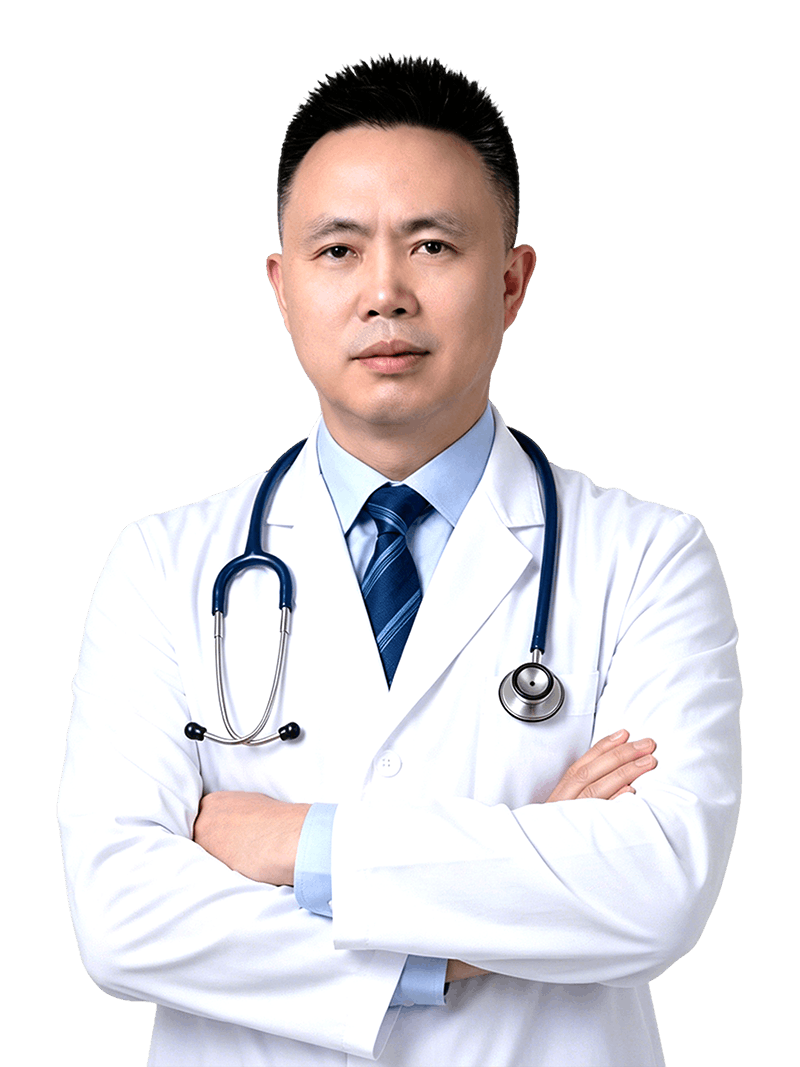
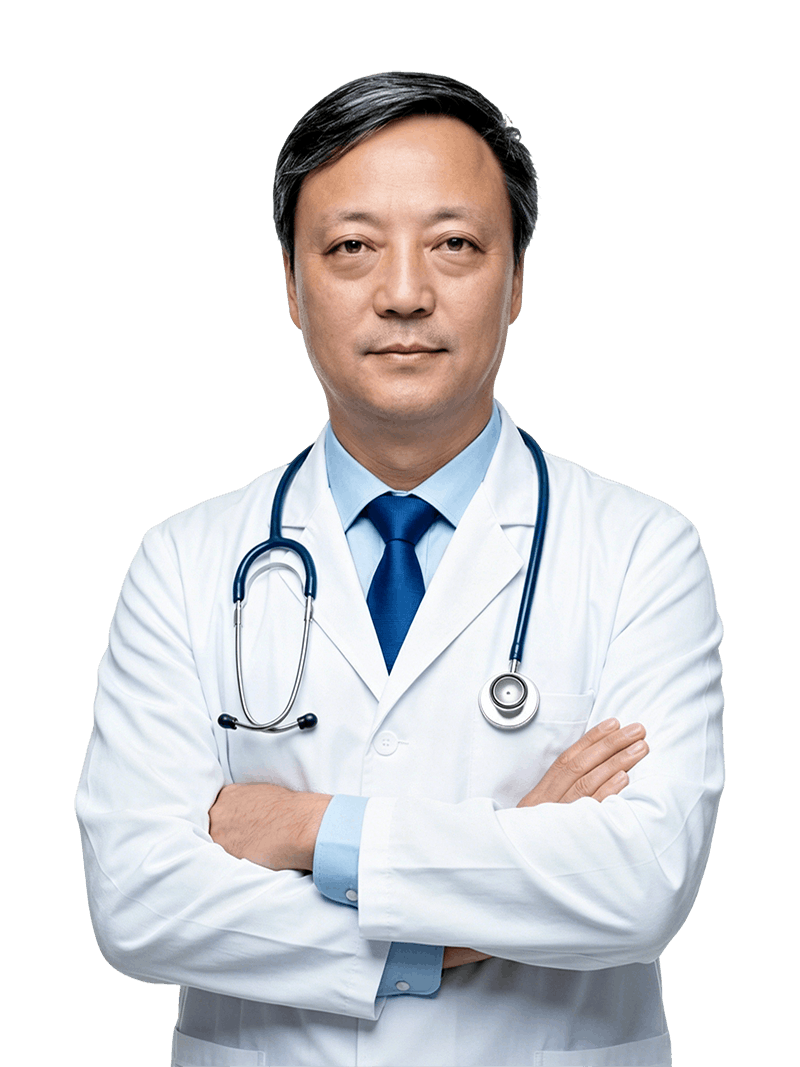
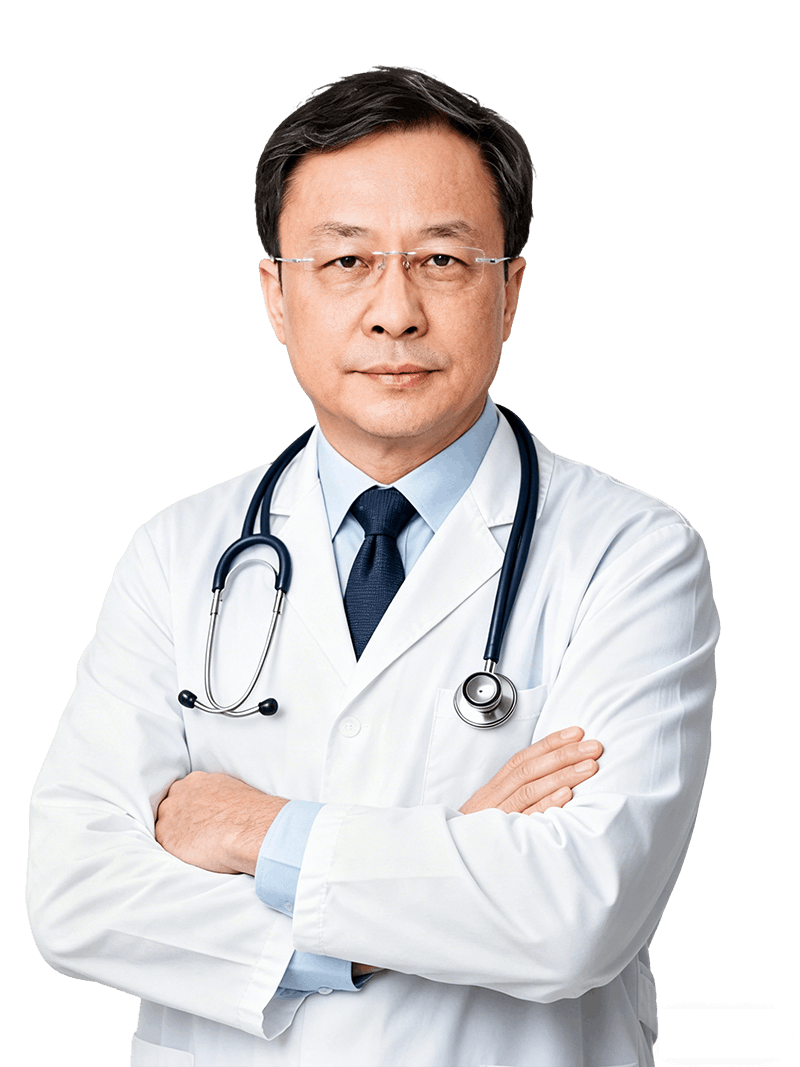
Professor Liao Zhengyin’s “Sharing of Challenging and Complex Oncology Cases and Techniques”

Professor Wei Yingtian’s “Sharing of Experience in NanoKnife Treatment”

Professor Luo Xiaoping’s “Case Studies and Experience Sharing on TIPS for Liver Cancer”

Director Luo Jiamin’s “Case Studies and Experience Sharing on Particle Technology”


The significance of the exchange was reflected in the details: the two sides presented commemorative plaques to each other. This was not one-way technology transfer, but mutual academic recognition.
A Greater Mission for the Training Base
In media interviews, the Vietnamese experts said that Uni-Asia Hospital’s technical capabilities in minimally invasive tumor treatment were impressive. They looked forward to more forms of cooperation in the future, enabling more cancer patients in Vietnam and Southeast Asia to benefit from China’s advanced minimally invasive diagnosis and treatment technologies.

For Uni-Asia Hospital, the significance of this exchange goes beyond a successful visit. As a WATA Global Precision Ablation Training Base, the hospital’s mission is expanding from “treating diseases” to “training professionals”—not only providing internationally advanced diagnosis and treatment for patients, but also working to make precision ablation techniques accessible to more doctors and patients around the world. Looking ahead, the hospital will continue to deepen exchanges and cooperation with medical institutions across Southeast Asia and Central Asia, embracing the minimally invasive treatment philosophy of “less trauma, faster recovery, and higher quality of life,” and contributing more Chinese solutions to the global fight against cancer.