
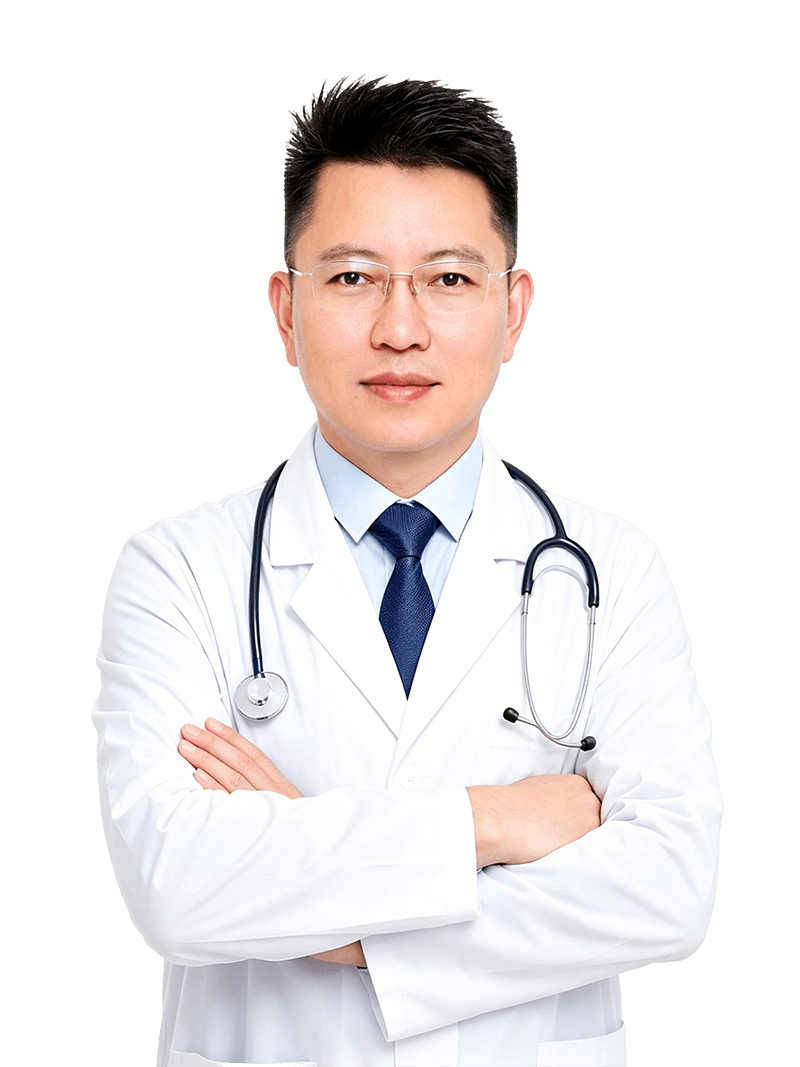
Zhang Wendong | Oncology Expert in Precision Minimally Invasive Cancer Treatment in China
- Doctors
- Zhang Wendong
Every Surgery Is a Trust Entrusted: Safeguarding Patients’Dignity of Life with Millimeter-level Interventional Techniques
— A Conversation with Dr. Zhang Wendong, Director of Ward I at Chengdu Huan Ya Hospital
More than a decade in medicine; mentored by Professor Lü Jun and Professor Liao Zhengyin, he has built a vascular intervention and ablation treatment system from an integrated Chinese-Western medicine perspective
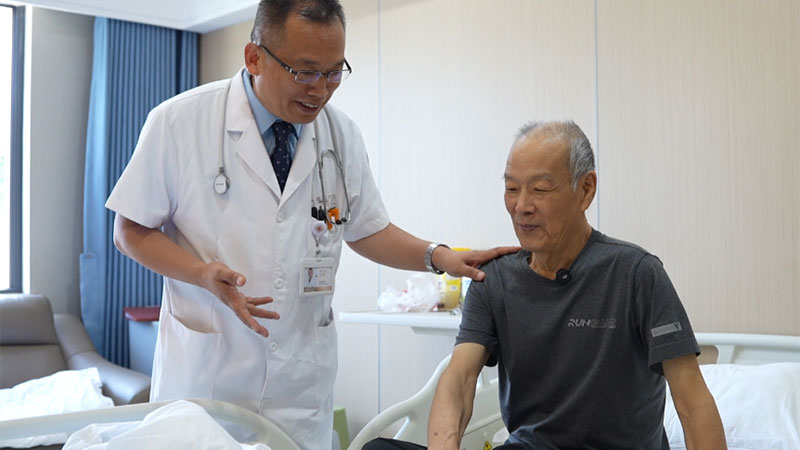
In the DSA operating room at Chengdu Huan Ya Hospital, the microcatheter in Dr. Zhang Wendong’s hands travels through a patient’s blood vessels under image guidance—five surgeries a day on average and more than 1,000 surgeries a year. This has been the daily rhythm of his clinical career for more than a decade. He successively studied under Professor Lü Jun of the Fifth Affiliated Hospital of Zhengzhou University and Professor Liao Zhengyin of West China Hospital, Sichuan University, inheriting from the two mentors the essence of vascular intervention and the philosophy of non-vascular minimally invasive intervention, and gradually building a treatment system of his own.
When he first entered the profession, he was a surgeon. The experience of a patient who attempted suicide after undergoing rectal cancer surgery and receiving a colostomy prompted Dr. Zhang to re-examine the profound impact of surgery on patients’ quality of life. He then resolutely turned to the field of intervention, focusing on technical pathways that cause less trauma, offer greater benefit, and preserve patients’ physiological function to the greatest extent. He once said, “Medicine is not only about treating disease, but also about safeguarding the dignity of life.” This sentence has become the professional creed from which he has not deviated for more than a decade.
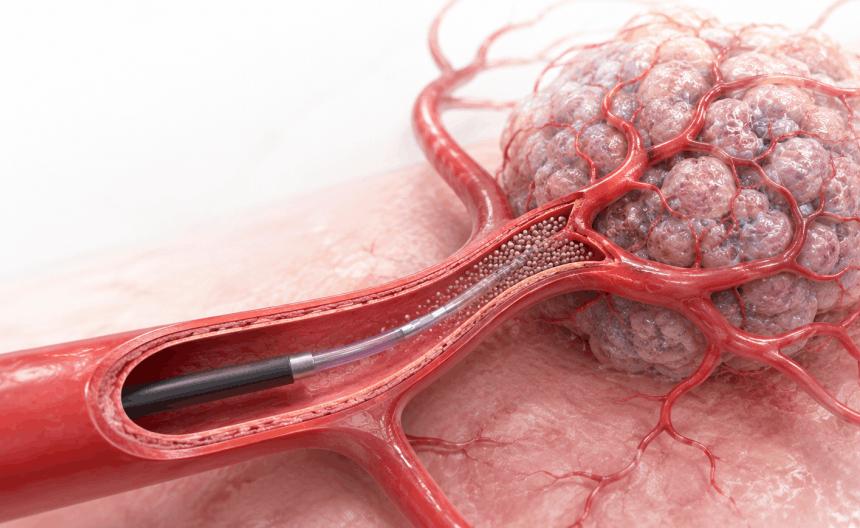
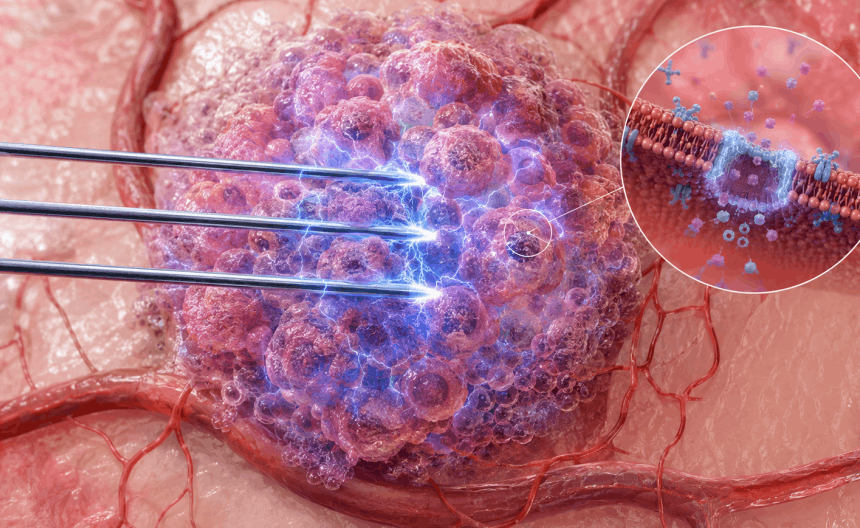
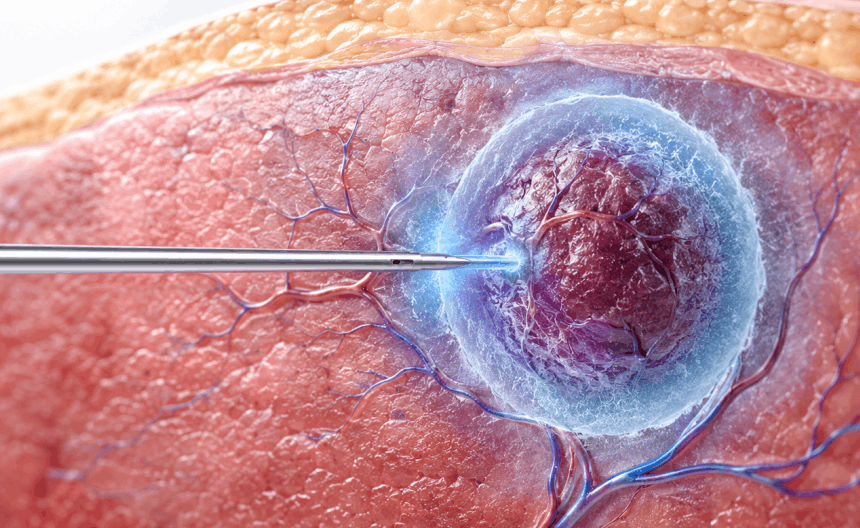
In terms of technical scope, Dr. Zhang has built a complete framework grounded in vascular intervention and extended by multimodal ablation. In vascular intervention, he skillfully performs transarterial chemoembolization and hepatic arterial infusion chemotherapy; in non-vascular intervention, microwave ablation, cryoablation, radioactive iodine-125 seed implantation, and peripheral vascular interventional treatment are all part of his technical repertoire. He integrates the traditional Chinese medicine theory of “strengthening the healthy qi and eliminating pathogenic factors” into postoperative rehabilitation, forming a diagnostic and treatment model of “minimally invasive precision intervention + holistic traditional Chinese medicine regulation.” In terms of tumor types, his clinical work covers a wide range of solid tumors, including liver cancer, lung cancer, pancreatic cancer, colorectal cancer, ovarian cancer, gastric cancer, esophageal cancer, nasopharyngeal carcinoma, cholangiocarcinoma, cervical cancer, kidney cancer, bladder cancer, and prostate cancer. He carries a tablet computer with him for long periods, storing imaging data from more than a thousand surgeries for repeated reference in preoperative planning and postoperative review.
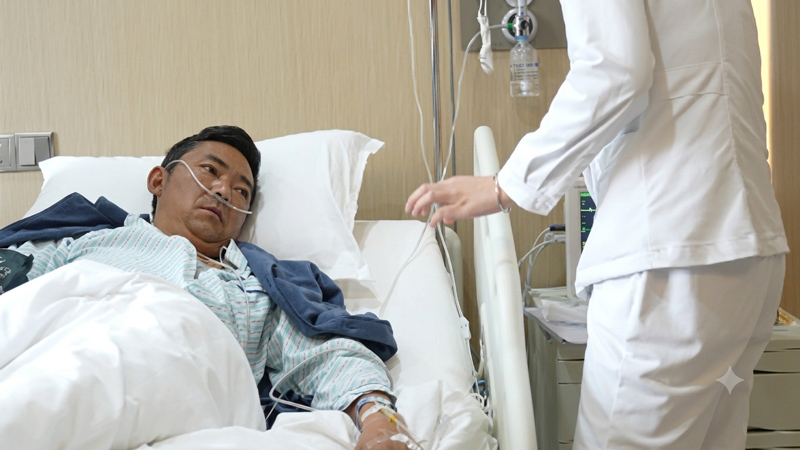
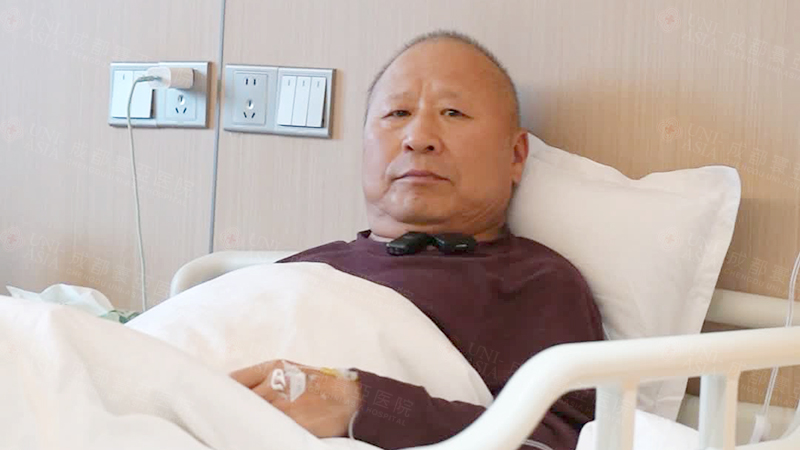
There is a clear main thread in Dr. Zhang’s clinical judgment: equal emphasis on local precision targeting and systemic regulation. In a recent complex case of colorectal cancer with liver metastasis, the patient developed drug resistance after multiple lines of treatment. After assessment by his MDT team, transarterial chemoembolization was selected for local tumor control, followed by sequential systemic therapy, forming a collaborative strategy of “local plus systemic” treatment. In another case, a patient with advanced lung cancer traveled more than 3,000 kilometers for medical care; the tumor had compressed the airway and made it impossible for the patient to lie flat. After a highly difficult tumor embolization procedure performed by Dr. Zhang, the patient was able to lie flat and sleep peacefully the next day, with significant symptom relief. In another case involving a patient with a sinonasal tumor, the tumor compressed the eye and created a risk of extensive resection. Dr. Zhang used minimally invasive interventional methods to precisely control the lesion and ultimately helped the patient preserve the eye. These cases reflect his ability to flexibly deploy minimally invasive techniques across different anatomical sites and disease stages.
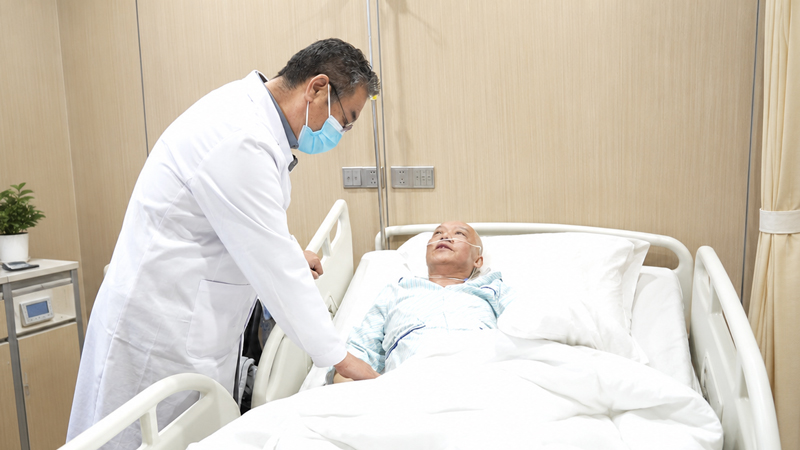
While overseeing clinical work in the ward, Dr. Zhang leads his team in integrating MDT multidisciplinary collaboration and CACA guideline-based standards into daily practice. He also devotes effort to oncology health education, helping the public correctly understand the significance of tumor screening and avoid unnecessary panic. From surgery to intervention, he has completed a professional transformation over more than a decade, and through a pace of five surgeries a day and more than a thousand surgeries a year, he has demonstrated the irreplaceable role of interventional treatment in modern oncology.